Linen Care Guide
How to Remove Wrinkles from Linen: Steam, Iron & No-Iron Tricks
Direct answer: The fastest way to remove wrinkles from linen is steam. A handheld garment steamer, a steam iron held just above the fabric, or ten minutes hanging in a steamy bathroom will relax most creases in 1–3 minutes per garment without flattening the weave. When you need a crisp, sharp finish — a shirt collar, a dinner napkin, a tailored pair of linen pants — press with a steam iron on the highest heat your fabric can take (200–230 °C / 390–450 °F) while the linen is still slightly damp. If you have no iron and no steamer, hang the piece in a warm, humid room and smooth it by hand while damp.
This guide covers all three methods step by step, the exact temperatures and timings to use, why 100% European flax creases the way it does, and the no-iron habits that keep KOSSR garment-washed linen looking relaxed instead of rumpled.
Why Linen Wrinkles So Easily (and Why That Is Not a Flaw)
Linen is woven from the bast fibres of the flax plant. Like cotton, it is a cellulose fibre, but its long, straight fibres have very little natural elasticity — they stretch only about 2–3% before they bend, compared with roughly 25–35% for wool. That stiffness is exactly why linen holds a beautiful drape, feels cool against the skin, and resists pilling. It is also why a crease forms the moment the fabric is folded, sat on, or pressed against a chair.
In other words, the wrinkle is not a defect you bought by accident. It is the same structural property that makes linen breathable and durable. Understanding that changes the goal: instead of trying to make linen behave like polyester, you aim to relax the crease briefly — for a photo, a meeting, a wedding — and then let the fabric fall back into its natural, slightly textured character.
Three things make linen crease more or less:
- Fibre length and quality. Longer flax fibres, like the ones used in quality linen clothing, bend less sharply, so they crease more softly.
- Fabric finish. Garment-washed linen vs regular linen behave differently: pre-washing softens the fibre and reduces the hard, papery crease of untreated loomstate linen.
- Moisture. Linen creases most when it dries in a fixed position. A shirt that dries crumpled in a laundry basket will hold that shape; the same shirt dried flat holds far fewer creases.
A crease is not the same as a wrinkle
It helps to separate two ideas. A crease is the soft fold linen takes from sitting, folding, or drying in one position — it relaxes with steam, heat, or a little weight. A true wrinkle is a distortion twisted into the yarn itself, which almost never happens in normal wear. In practice, when people say they want to remove wrinkles from linen, they mean they want to relax a crease. That is a job steam does in minutes, not a defect to repair.
If you want the fuller background on the fibre itself and why it behaves this way, see why linen wrinkles easily. For hands-on removal, keep reading.
The Three Ways to Remove Wrinkles from Linen, Compared
There is no single best method for every moment. Choose by how crisp you need the finish and how much time you have. The table below summarises the trade-offs before we walk through each one.
| Method | Best for | Heat / setting | Time per piece | Finish |
|---|
| Steaming | Quick refresh, most garments, travel | Steam at ~100 °C | 1–3 minutes | Soft, relaxed |
| Ironing | Shirts, collars, trousers, napkins | 200–230 °C (3 dots) | 3–6 minutes | Crisp, sharp |
| No-iron tricks | Daily wear, travel, delicate trims | No heat, or low heat | Passive | Natural, casual |
Rule of thumb: steam first, iron only what truly needs a crease line, and skip both when the natural texture is the point. For everyday KOSSR styles — a relaxed linen button-up shirt or easy pants — a 2-minute steam is usually the whole job.
Method 1: How to Steam Linen (The Fastest Fix)
Steam is gentle, quick, and the least likely to damage flax fibres, because you never press a hot metal plate onto the weave. Heat and moisture make the cellulose fibres pliable for a few seconds; gravity then pulls the crease out while the fabric hangs.
With a handheld steamer
- Fill the steamer with distilled or filtered water to avoid mineral spotting on light linen.
- Let it heat for 30–60 seconds until steam is steady.
- Hang the garment on a hanger. Hold the steamer 2–5 cm away from the fabric.
- Move top to bottom in slow, continuous passes. Do not hold the nozzle in one spot.
- Tug the hem gently downward with your free hand as you steam to help the crease release.
- For a linen shirt dress with a full skirt, work in sections and let the weight of the fabric do half the work.
- Hang for 2–3 minutes to dry before wearing. Damp linen re-creases if you sit in it immediately.
Without a steamer
You do not need a special appliance. Two everyday options work well:
- Shower steam. Hang the garment on the bathroom door and run a hot shower for 5–10 minutes. The room reaches high humidity and most light creases fall out. Keep the piece clear of direct water spray.
- Spray and smooth. Mist the linen lightly with water, hang it, and smooth the fabric flat with your palms from the centre outward. Add a small spray of wrinkle-release if the creases are stubborn.
Steam temperatures, briefly: water turns to steam at 100 °C, and that moist heat is what relaxes linen. Steam is safe across all colours and finishes, including natural-fibre linen that you want to keep soft rather than pressed flat.
Method 2: How to Iron Linen Correctly
When you need a genuinely crisp finish, ironing is the only method that produces a sharp line. The catch is that linen needs the highest heat of any common fabric, which means one wrong move can scorch or shine the surface. Follow the temperature ladder below and never iron dry.
| Fabric | Iron setting | Temperature | Steam? |
|---|
| Linen | High (3 dots) | 200–230 °C / 390–450 °F | Yes, or press damp |
| Cotton | High (3 dots) | ~200 °C / 390 °F | Yes |
| Wool | Medium (2 dots) | ~150 °C / 300 °F | Yes, with cloth |
| Silk | Low (1 dot) | ~120 °C / 250 °F | No, use cloth |
Step by step
- Start damp. Linen irons best at roughly 10–20% moisture. Either remove it from the wash slightly damp, or mist it evenly and roll it in a towel for 10 minutes.
- Set the iron to high and add steam. Give the soleplate 60–90 seconds to reach temperature before touching the fabric.
- Press on the reverse where possible. Ironing the inside protects any sheen and keeps seams from printing through the front. For dark colours, iron inside out to avoid shine.
- Work in this order: collar and cuffs, then sleeves, then body; for trousers, waistband and pockets first, then legs.
- Use the weight of the iron, not force. Let the heat and steam do the work. Pressing hard flattens the weave and can create new creases.
- Hang immediately on a shaped hanger to let the piece cool in shape — linen sets its crease as it cools.
Two safeguards: never use chlorine bleach on linen, and test a hidden seam on dark or coloured pieces before pressing the visible surface. If you are unsure of the finish, iron a hem first.
Method 3: No-Iron Tricks That Actually Work
Most linen does not need an iron at all. If you handle the fabric well from the washing machine to the wardrobe, gravity and a little moisture will do the work. These habits remove or prevent the majority of everyday creases.
- Shake, then hang while damp. The single most effective no-iron trick: shake the piece firmly straight out of the wash and hang it on a hanger or line while still damp. Weight and air do the rest.
- Hang, do not fold, for heavy pieces. A wet pair of linen pants hung by the hem or waistband dries straighter than a folded one.
- Dry flat and reshape. Lay knits and trims flat and smooth them into shape by hand. This prevents the hard fold lines that come from a crowded dryer.
- Use low tumble briefly. If you machine dry, use low heat for 10–15 minutes only, then remove and hang while warm and slightly damp. High heat sets creases and can shrink untreated linen.
- Smooth over a radiator or warm towel rail. The gentle residual heat relaxes light creases in a few minutes.
- Folding lines live in the wardrobe. Fold loosely, or roll, and leave breathing room so the fabric is not compressed into hard creases.
Yes, tumble drying is possible — with care. If you want the full rules on heat, timing, and shrinkage, see whether linen can go in the dryer and whether linen can be tumble dried.
Tune Your Wash to Reduce Wrinkles Before They Form
Half of wrinkle control happens in the wash, not at the ironing board. The goal is to keep the fibres moving freely and to avoid the high heat and high spin that press creases in.
| Setting | What to use for linen | Why it matters |
|---|
| Wash temperature | 30–40 °C (86–104 °F), gentle cycle | Cooler water causes less stress and fewer creases than hot |
| Load size | Two-thirds full, loose | Overloading crushes fabric against itself and sets folds |
| Spin speed | Medium, 800–1,000 rpm | Full spin presses creases deep into the weave |
| Detergent | Mild, liquid, non-bleach | Harsh detergent dulls the fibre and stiffens it |
| Fabric softener | Skip or use sparingly | Coats the fibre and can reduce absorbency and breathability |
If you want the complete routine, including how often to wash and how to treat delicate trims, see how to wash linen clothing and the full care and maintenance guide.
One more lever: shrinkage. Untreated linen can shrink 3–10% on a first hot wash, which pulls the weave tight and makes creases harder to remove and harder to relax. Pre-washed, garment-washed linen has already gone through that contraction at the mill, so it stays stable — see does linen shrink after washing for the details.
Wrinkle Care by Garment Type
Different linen pieces respond to different methods. A structured blazer wants steam, a shirt can be ironed crisp, and a soft dress is best left relaxed. Use this quick-reference table.
| Garment | Best method | Heat | Tip |
|---|
| Button-up shirt | Iron damp, or steam | High, steam | Press collar and cuffs on the reverse for sharpness without shine |
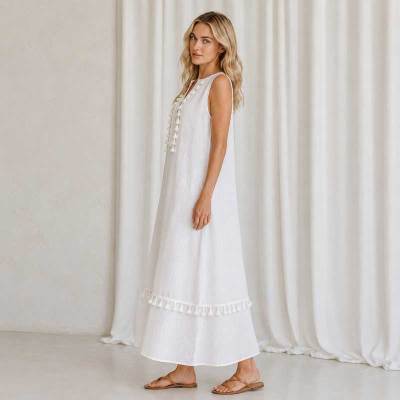
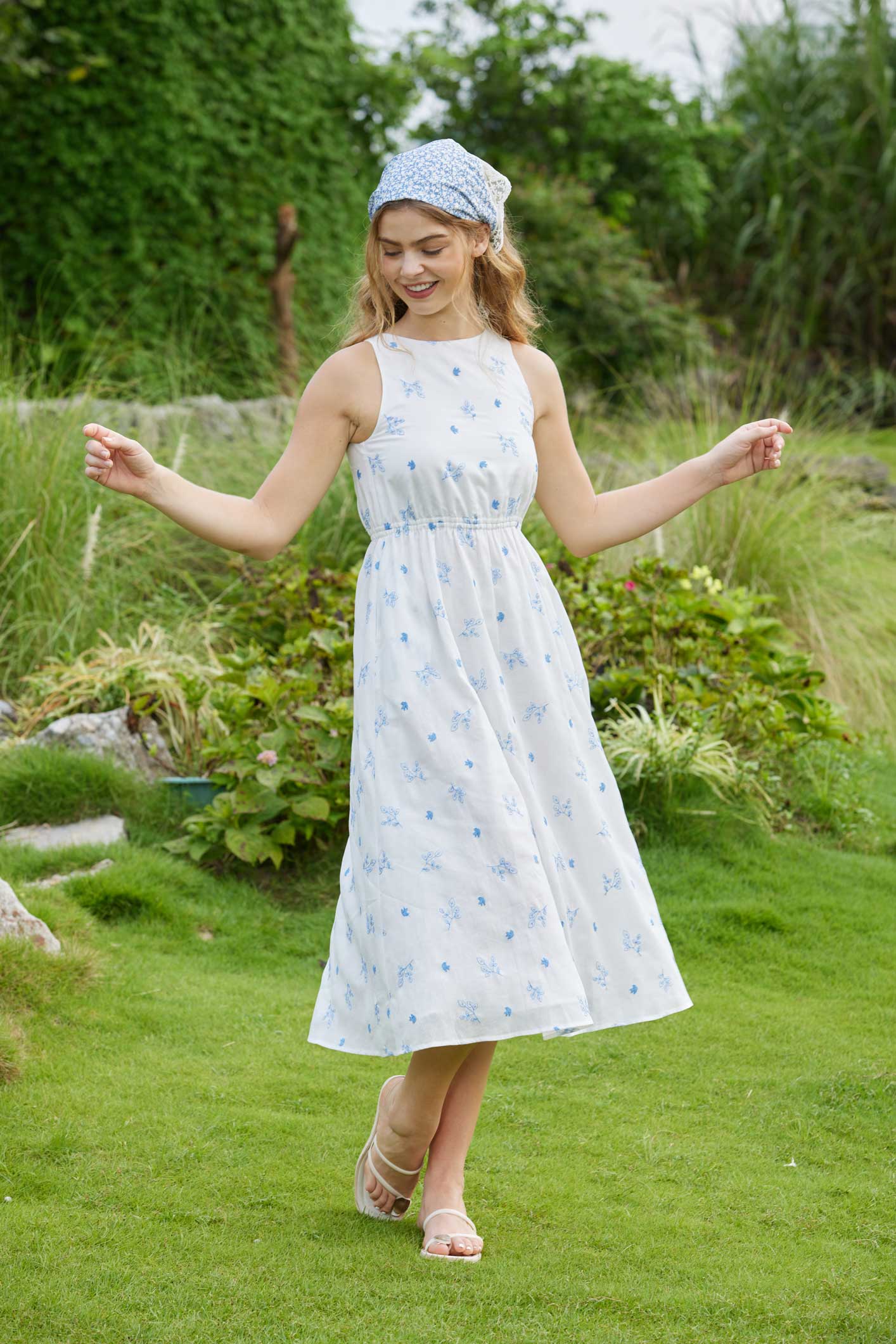
| Shirt dress / midi dress | Steam | Steam only | Hang and let the skirt weight pull creases out |
| Pants | Iron | High, damp | Iron waistband and pockets first, then legs, to keep a clean front |
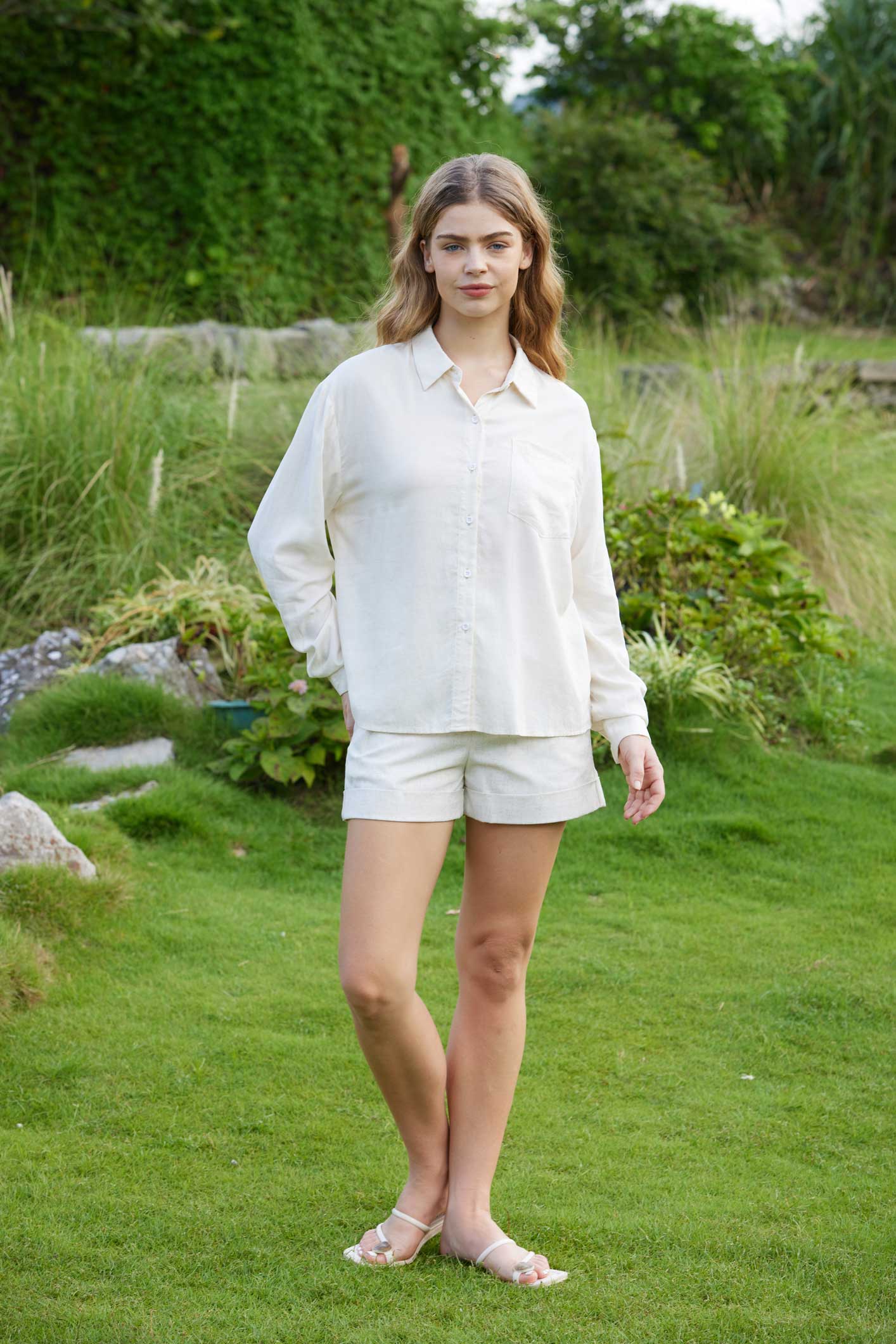
| Shorts | Steam | Steam only | Low-maintenance by design; steam 1 minute and wear |
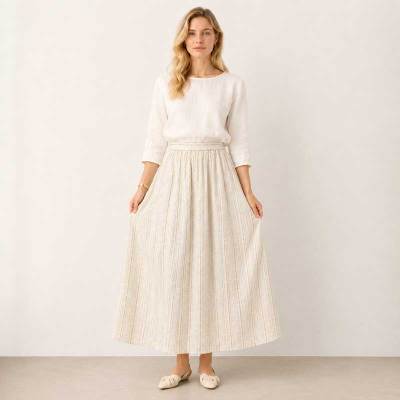
| Sets / two-piece | Steam both pieces | Steam only | Steam top and bottom together so the drape matches |
| Napkins & table linen | Iron | High, very damp | Press while wet for a glass-flat finish |
Why garment-washed matters here: KOSSR linen is 100% European Flax, garment-washed before it reaches you. Pre-washing relaxes the fibre so the fabric feels softer and creases more gently from the first wear, instead of holding the stiff, sharp folds of raw loomstate linen. Composition, weight, and pre-wash information is listed on each product page.
Pressed or Relaxed? Match the Finish to the Occasion
One of the easiest ways to stop fighting linen is to decide, before you touch an iron, how crisp the piece actually needs to be. There is no rule that says linen must be either perfectly flat or casually rumpled — you choose the finish to suit the moment.
- Fully relaxed (no iron). Weekends, holidays, working from home, beach dinners. Steam for 1–2 minutes, or nothing at all. The natural texture is the look.
- Lightly pressed (a 2-minute pass). Smart-casual lunches, city days, travel. Press only the collar, placket, and front of the legs, and leave the body soft.
- Fully crisp. Weddings, formal events, presentations, photography. Iron damp on high with steam, and hang on a shaped hanger to cool in shape.
A quick way to judge: hold the garment at arm’s length. If the creases read as soft shadows rather than hard lines, it is ready. If they look like folds from a folded map, give it 90 seconds of steam. Knowing where each piece sits in your wardrobe — a crisp shirt for work, a relaxed two-piece set for the weekend — makes the decision automatic.
Professionals and heavy wearers often keep two treatments in rotation: steam between wears to refresh, and a single damp press after a full wash to reset the shape. That rhythm keeps linen looking intentional for years rather than just clean.
Hard Water, Starch, and Other Finish Details
Once the big three methods are covered, a few small details separate a good result from a great one. These are the ones most people miss.
- Hard water leaves minerals behind. If your tap water is high in calcium, ironing wet linen can deposit faint white spots and stiffen the fibre. Use distilled or filtered water in the iron or steamer, and a splash of white vinegar in the final rinse to keep mineral build-up down.
- Starch is optional and easy to overdo. A light starch adds body to collars and napkins, but heavy starch cracks, yellows over time, and makes creases harder to release. If you use it, apply sparingly and only to pieces that genuinely need structure.
- Heat and steam are the real tools. No spray, starch, or gadget replaces moist heat. If a crease will not budge, the answer is almost always more steam and more moisture — not more pressure.
- Over-drying fights you. Linen that has tumbled bone-dry is stiff and set. The fix is to catch it at the damp stage, every time.
- Trims need protection. Embroidered or printed linen should be steamed from the reverse if possible, and never pressed directly onto the decoration.
Handled this way, a single well-made piece can go months between proper presses. For the wider routine — washing, drying, softening, and storing — the KOSSR linen care library walks through each step in order.
Mistakes That Set Wrinkles In (and How to Avoid Them)
Most stubborn linen creases come from a handful of avoidable habits. Fix these and the ironing board becomes optional.
- Letting linen dry crumpled. Leaving a damp piece in a heap is the number-one cause of deep creases. Hang it within minutes of the wash ending.
- Overloading the machine or dryer. Crowding crushes fibres together and sets hard folds. Two-thirds full, loose.
- Ironing bone-dry linen. Dry fabric scorches before the crease releases. Always press damp or with steam.
- Using too little heat. Counter-intuitively, a warm iron dragged over dry linen creates more creases than a hot, steamy one. Linen genuinely needs high heat.
- Ironing the right side of dark linen. This produces a permanent shine. Work inside out.
- Storing on wire hangers or in tight stacks. Shoulder dents and compression lines are creases you create after washing. Use shaped hangers and leave space.
When to Accept the Crease
Linen is a living fabric, and part of its appeal is the soft, slightly rumpled texture that reads as relaxed rather than careless. Chasing a perfectly flat surface every day is both unnecessary and a little at odds with the slow-fashion spirit that draws people to flax in the first place.
As a practical guide:
- Lean into texture for casual wear, weekends, holidays, and anything at home. A gentle steam is plenty.
- Press only the visible stress points for smart-casual occasions — collar, placket, front of trousers, cuffs.
- Go fully crisp for formal settings, wedding-guest dressing, or photography, where a sharp finish matters.
If you are building outfits around these pieces, our guide to styling a linen dress shows how the natural crease works with the silhouette rather than against it.
A 60-Second Daily Routine for Crease-Free Wear
If you want linen to look its best with almost no effort, build this short habit into your day. It takes about a minute and prevents the pile-up of creases that eventually forces a full ironing session.
- Morning: hang the piece in the bathroom while you shower, then shake it out and dress.
- Mid-day: if you have been sitting, stand, give the hem a light pull, and let the fabric fall back.
- After wear: hang the piece on a shaped hanger straight away instead of draping it over a chair.
- Before storage: make sure it is fully dry, then fold loosely or roll rather than pressing it into a tight stack.
Repeat this and you will notice the pieces you wear most crease less, because a damp or compressed fold is never allowed to set. Linen trains the same way you do: gently, and in the right direction.
Storage and Travel: Keep Linen Smooth Off the Ironing Board
How you store and pack linen decides how much steaming it needs later. These habits keep pieces ready to wear.
| Situation | Do this | Why |
|---|
| Wardrobe, shirts & dresses | Hang on shaped or padded hangers with 5 cm of air between pieces | Prevents shoulder dents and compression folds |
| Wardrobe, pants & shorts | Fold once over a padded bar, or roll | Reduces the single hard crease of a tight fold |
| Off-season storage | Clean, fully dry, folded loosely in cotton bags | Dry linen resists mildew and permanent creases |
| Suitcase | Roll soft pieces; layer tissue at folds; unpack on arrival | Rolling beats folding for creasing |
| Hotel or on the road | Hang in the bathroom while you shower | Ambient steam relaxes travel creases |
For the full routine, see how to store linen clothing. And if a piece arrived already creased, remember that linen softens over time, which means last year’s shirt creases less than it did on day one.
Frequently Asked Questions
Can you get wrinkles out of linen without an iron?
Yes. Steam is the most effective no-iron method: hang the piece in a steamy bathroom for 5–10 minutes, or use a handheld steamer. For light creases, mist the linen with water, hang it, and smooth it flat by hand. If a piece is stored correctly and dried while damp, many everyday creases never form in the first place, so you can go weeks without needing an iron at all.
What temperature should you iron linen?
Use the highest setting your iron offers — typically 200–230 °C (390–450 °F), marked as three dots — with steam, and always press while the linen is slightly damp. Linen needs more heat than cotton, wool, or silk because its stiff cellulose fibres only relax when hot and moist. Iron the inside of dark colours to avoid shine, and hang the piece immediately so it cools in shape.
Does vinegar or hairspray remove linen wrinkles?
A light mist of diluted white vinegar in water can help relax creases and is safe for most natural fibres when diluted, but it is not a substitute for steam. Hairspray is best avoided: the residue stiffens the fabric and can attract dirt. Steam, water, and gentle heat are the reliable tools.
Why does my linen wrinkle more after washing?
Creases usually come from how the fabric dries, not the wash itself. High spin speeds, a crowded drum, and leaving linen crumpled while damp all press folds into the weave. Use a gentle cycle, a medium spin, and hang the piece while still damp to cut post-wash creasing sharply. Adding a final cool rinse and skipping fabric softener also helps the fibre relax instead of stiffening.
Should I choose a linen blend to avoid wrinkles?
A small percentage of a stretch or synthetic fibre can reduce creasing, but it also softens the very qualities that make linen special: breathability, absorbency, and that cool, crisp hand. For most people, the answer is to keep the 100% linen and adjust how they wash, dry, and store it.
The Short Version
Steam for speed, iron for sharpness, and good wash-and-dry habits for everything in between. Treat the natural crease as part of linen’s character rather than a fault, and the fabric stops being high-maintenance. Wash cool and gently, dry low, hang while damp, press only the pieces that need a crisp line, and store with a little breathing room.
When you buy well-made, quality linen — 100% European Flax, garment-washed for a softer hand — the fibre itself does most of the work. The rest is a two-minute steam.