Thanksgiving in Linen: Comfortable, Elegant Outfit Ideas
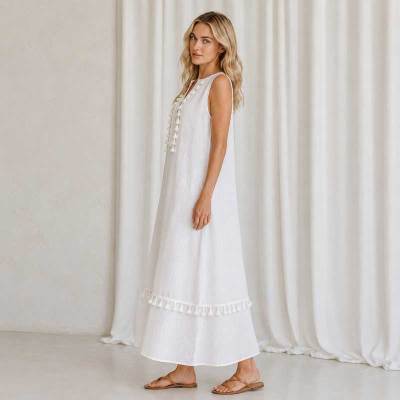
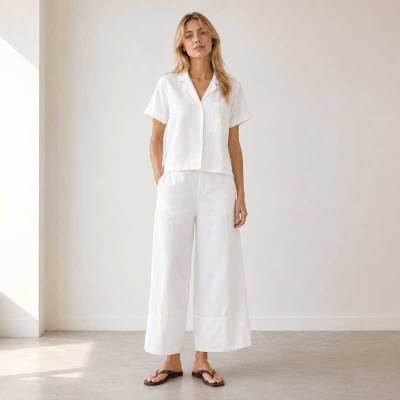
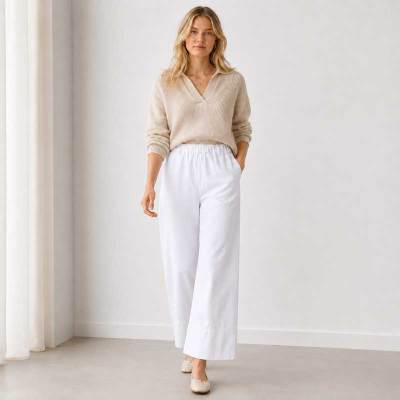
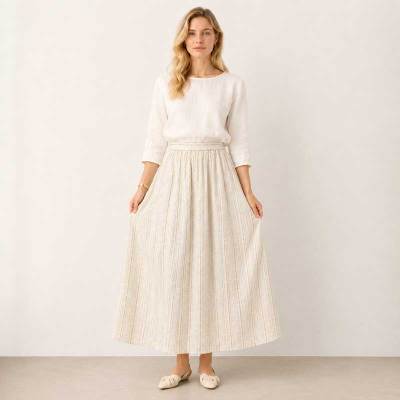
Direct answer: For a US Thanksgiving dinner, linen works beautifully if you choose a mid-weight 140 to 190 gsm piece or a heavier 190 to 240 gsm piece, keep the cut relaxed, and plan for a room that is warmer than the weather outside. A linen midi dress, a linen shirt tucked into wide-leg linen pants, or a linen overshirt over a linen tee all read as elegant without looking like you tried too hard. Because most Thanksgiving meals happen indoors with the heating on and a crowded table of people, a breathable natural fabric beats a heavy knit every time: you stay comfortable from the first appetiser to the last slice of pie, and you do not overheat while the oven is doing most of the work. The only adjustment Thanksgiving asks of linen is weight, so pick mid or heavy over light summer shirting, and add one layer you can remove if the room gets warm. If you want the reasoning behind matching weight to temperature, our guide to wearing linen all year round shows how the 140 to 190 gsm band became the true three-season weight. Thanksgiving is one of the few American meals with its own unofficial dress code. It is usually dressier than a weeknight dinner at home, less formal than a wedding, and warmer than the weather forecast suggests because almost everyone eats indoors with the heating on and a kitchen working at full capacity. That combination is exactly where linen has an advantage. It is formal enough to look considered, breathable enough to keep you comfortable in a warm room, and relaxed enough that you do not look like you misread the invitation. The mistake most people make is treating linen as a summer-only fabric and reaching for a heavy sweater instead. A thick wool knit is warm on the drive over and unbearable twenty minutes into the meal, once the room fills with people and the oven is on. Linen does the opposite. It holds a little warmth for the journey, releases heat indoors, and keeps moving moisture away from your skin while you eat, talk and move between the kitchen and the table. The practical rule for a late-November Thanksgiving in a temperate climate is simple. Choose a mid-weight 140 to 190 gsm linen dress, shirt or set, or move up to a 190 to 240 gsm linen pant or overshirt if you run cold or the house is draughty, and build the outfit so that one outer layer comes off easily. That single habit covers almost every Thanksgiving setting, from a casual family lunch to a dressed-up evening at a restaurant. Temperature rule of thumb: a heated dining room usually sits around 21 to 24 degrees Celsius, and a crowded kitchen can feel closer to 26. Linen in a mid or heavy weight handles that range comfortably, which is why it outperforms knitwear at a meal where everyone stays indoors. The case for linen at Thanksgiving is not about looking a certain way. It is about what the fibre does while you sit at a table for two to three hours in a warm room. Three properties matter, and they all point in the same direction. Linen has a looser weave than comparable cotton, so air moves through the cloth and evaporated moisture escapes instead of sitting against the skin. In a heated dining room that means you stay at an even temperature while the people around you in heavier fabrics start to feel flushed. If you have ever stood up from a holiday table feeling overheated, you already know why the fabric choice matters more than the outfit's style. Flax fibre absorbs a meaningful share of its own weight in water and releases it again quickly. The practical effect is that linen keeps a dry, comfortable feel during a long meal, even when the room is warm and the food is hot. A synthetic blend or a tightly woven fabric holds that moisture near the skin, which is the feeling of being both warm and sticky at the same time. Linen avoids it. Because linen moves moisture rather than holding it, it also resists the trapped-odour problem that synthetics develop after a day of wear. That matters on a holiday when you have travelled to a relative's house, spent hours in a kitchen, and still want to look and feel fresh for the evening. One linen piece can carry you from the cooking to the table without needing a change. None of this is magic, and linen is not warm the way wool is warm. It is a comfort layer, not an insulating one. On a genuinely cold walk from the car to the front door, you still want a proper coat over it. Indoors, where Thanksgiving actually happens, linen is the smarter choice. Thanksgiving invitations often come without a dress code, which is why so many people either overdress or underdress. In practice there are four settings, and linen can cover all four if you adjust the formality of the cut rather than the fibre. Jeans, a relaxed shirt and closed shoes are normal. Linen fits here in a 140 to 190 gsm shirt or a linen tee under an open overshirt. Keep the palette warm and the cut loose, and you will look intentional rather than dressed up. This is the most common Thanksgiving setting, and it is linen's sweet spot. A linen midi dress, a linen shirt with tailored linen trousers, or a mid-weight linen set all sit exactly at smart-casual. Add one considered accessory, a leather belt or a simple necklace, and the outfit is complete without a jacket. For a restaurant booking with a set menu, choose a longer linen dress or a linen blazer over a linen shirt and trousers. A 190 to 240 gsm weight hangs better in a dressier cut and photographs well under restaurant lighting. Darker tones such as charcoal, deep navy or espresso read more formal than pale neutrals. If the meal includes time outdoors or the house runs cold, plan layers rather than a heavier single piece. A linen shirt or dress as the base, a linen overshirt as the middle, and a coat you can leave in the hallway works better than one thick layer you cannot remove. The reasoning behind that layer order is the same one that governs fall dress codes in linen, where the level of formality is set by the cut and the weight rather than by a change of fabric. If you are unsure which setting you are walking into, err toward smart-casual in a mid-weight linen outfit with one removable layer. It is the rare choice that is acceptable at every version of the holiday. The table below turns the dress code into concrete pieces, so you can match an outfit to the setting and the temperature without guessing. Weights are given in grams per square metre, the number that matters most on a linen label. Two readings of the table are worth stating plainly. First, weight does the heavy lifting: the difference between a holiday-appropriate outfit and a summer one is usually one step up in gsm, not a change of style. Second, the pieces overlap. The same wide-leg linen pants work for a casual lunch and a smart-casual dinner, and the same midi dress works in both if you change the footwear and add or remove a layer. If you own only light summer linen, do not abandon it. Wear a 110 to 140 gsm shirt as a base layer under a linen overshirt or a light knit, and let the visible layer be the heavier one. The point is that the layer touching the weather, or the room, is the one that needs the right weight. Women's Thanksgiving dressing usually means balancing three things at once: looking polished for family photos, staying comfortable through a long meal, and not overheating in a warm house. Linen solves the third problem better than almost any other fabric, which frees you to focus on the first two. A mid-weight 140 to 190 gsm linen midi dress is the single easiest Thanksgiving outfit. It needs no styling to look finished, it moves well when you are carrying dishes, and it stays comfortable through a long sit. Choose a relaxed or A-line cut so it does not pull at the waist after a large meal, and pair it with ankle boots and one accessory. For the specific ways to layer a dress as the weather turns, see our guide to styling a linen dress for fall. A linen shirt tucked loosely into wide-leg linen trousers is the modern smart-casual answer. It reads as considered, allows for second helpings without a visible waistline problem, and works equally well in a 190 to 240 gsm trouser for a colder house. Half-tuck the shirt at the front if you want a waist definition without a tight fit. A matching linen top and pant set is a quiet shortcut to looking put together. Sets photograph well and remove all the colour-matching decisions, which is useful on a day when you are also cooking or travelling. Choose a warm neutral or a deep tone so the set reads seasonal rather than summery. Our mid and heavy weight linen dresses are cut for this kind of indoor, seated comfort, with relaxed fits that do not fight the body after a holiday meal, and each product page lists the exact fibre content and weight so you can match the dress to your house temperature. Men often default to a heavy flannel shirt or a sweater for Thanksgiving, then spend the meal pushing up their sleeves in a hot room. Linen gives the same dressed-up feel with far better indoor behaviour, and it needs less styling than people expect. A long-sleeve 140 to 190 gsm linen shirt is the foundation. For a casual lunch, wear it untucked over linen pants with the sleeves rolled once. For a smart-casual dinner, tuck it into tailored linen trousers, add a leather belt and keep the sleeves full-length. The same shirt covers both settings because the formality comes from the tuck and the shoe, not from the fabric. A 190 to 240 gsm linen overshirt worn over a tee or a lighter linen shirt is the answer for a cold house and a warm room at the same time. It looks deliberate when it is on, and it folds small enough to drape over a chair when the room warms up. This is the men's version of the removable-layer rule, and it is the piece that most men's wardrobes are missing. Wide or straight-leg linen trousers in a mid to heavy weight are more comfortable through a long meal than slim denim, and they read as more appropriate for a holiday table. Choose a proper waist fit, not an over-tight one, because a heavy meal exposes any pinching immediately. A relaxed linen pant with a clean break over a boot is the most useful single purchase for a man who wants holiday comfort. Our linen tops and shirts are made from 100 percent European Flax with a garment-washed finish, which means they arrive soft rather than stiff and are comfortable on the first wear, not after five washes. That matters when you are choosing an outfit the week of the holiday rather than a month ahead. Weight decides how a linen outfit feels; colour decides whether it looks like Thanksgiving rather than July. The good news is that linen's natural palette is already built around the tones of a late-autumn table. Oatmeal, clay, olive, warm white, charcoal, deep navy, espresso and soft rust all sit naturally in a Thanksgiving room. These tones echo the food and the wood of a dining table, so they look intentional in photographs without any pattern. Pale summer whites and bright pastels can look out of place in late November, especially under warm indoor light. A 220 gsm linen trouser reads as autumn even in the same colour as a 130 gsm summer pant, because the surface texture and the way it holds a crease are visibly different. When you want a linen outfit to look appropriate for November, the fastest change is to increase the weight rather than to change the colour. Heavier weaves look heavier, and that alone does most of the seasonal work. If you are also bringing a gift or a hostess present, the same palette logic applies to what you choose. Our guide to linen gift ideas builds its recommendations around warm neutrals that suit a holiday host's home, which is a useful double purpose if you want your own outfit and your gift to feel of a piece. The hardest part of Thanksgiving dressing is the temperature swing. The car is cold, the entrance hall is cold, and the dining room is warm and getting warmer. A linen wardrobe handles that swing better than one thick layer, provided you layer in the right order. Linen layers beautifully because it is thin for its warmth. A linen shirt, a linen overshirt and a coat sit far less bulky than a single heavy knit, and the removal test works: each linen layer comes off easily and folds small enough to drape over a chair. For the specific knit-style layers that work over linen without adding bulk, our guide to linen cardigans and knit-style layers covers the pieces that complete this system. Before you leave the house, ask which layer you would remove first if the room were twenty degrees warmer than the car. If the honest answer is the layer that also provides most of the visual interest, your outfit is built for the wrong place. At Thanksgiving the interesting layer should be the middle one, with a plain and comfortable base beneath it. Layering rule for a heated house: linen goes against the skin, the insulating or decorative layer goes over it, and the coat stays by the door. Follow that order and the same outfit works in a cold hallway and a warm dining room within the same hour. Thanksgiving involves more sitting and more eating than almost any other meal of the year, so comfort is not a luxury, it is the point. Linen helps, but a few choices matter as much as the fabric. Avoid tight waistbands and structured waistlines. A relaxed or elasticated linen pant, or an A-line or wrap dress, tolerates a large meal without pulling. This is the single biggest comfort decision of the day, and it is why linen's natural drape is useful: the fabric skims rather than grips. Check how a dress or skirt behaves when you sit, not just when you stand. A midi length that looks elegant standing can ride up or pull across the lap when seated. Choose a cut with enough fabric to fall cleanly over the knees, and avoid very stiff or very short hemlines for a long table. If you are helping in the kitchen, roll linen sleeves back rather than pushing up a knit. Linen sleeves hold a rolled position better and do not leave you with stretched cuffs. For a host, a linen shirt with the sleeves rolled is both practical and photogenic, and it reads as part of the outfit rather than a working compromise. Linen creases, and that is part of its character, but you can reduce travel creasing. Fold pieces along existing seams, pack them on top of the bag rather than under heavy items, and hang them for fifteen minutes once you arrive. A light steam, not an iron, relaxes most travel creases, and the fabric's natural texture means a few soft folds read as relaxed rather than messy. Most of the comfort gains at Thanksgiving come from two decisions: the weight of the fabric and the looseness of the cut. Get both right and the outfit fades into the background, which is exactly what you want on a day about the people at the table. Thanksgiving is also a photo day. Family portraits, the table before the meal, and a few candid moments in the kitchen all end up preserved. Linen photographs unusually well because it has texture and a matte surface, but a few choices make the difference between looking considered and looking fussy. Linen's visible weave gives photographs depth without the busyness of a print. A solid mid or heavy weight piece with a clear texture reads better than a thin patterned fabric under warm indoor light, and it will not clash with a patterned tablecloth or a busy background. Indoor holiday light is warm and often dim, which is unkind to shiny or synthetic fabrics. Linen's matte finish absorbs that light rather than reflecting it, so it photographs as rich rather than washed out. This is a small practical reason to choose natural fibre for the day itself. The goal is to look like the best version of your normal self rather than a guest at someone else's event. That is what smart-casual means, and linen's relaxed formality is a natural fit for it. If you want one piece that does the most photographic work, a mid-weight linen dress or a well-fitting linen shirt will out-perform anything fussy. Just as weight decides what works, a few common choices reliably cause discomfort during a long holiday meal. Avoiding them is worth more than buying something new. Avoiding these six issues is worth more than any single purchase. Most Thanksgiving dressing problems are problems of weight and fit, not of style. Solve those two and the outfit looks after itself. A little preparation in the days before Thanksgiving makes a linen outfit perform far better on the day, and it protects the pieces so they last for many holidays to come. Wash linen at 30 degrees Celsius or cool on a gentle cycle with a mild liquid detergent, then air dry. This loosens any stiffness and freshens the piece without stressing the fibre. Never tumble dry on high heat, which is the most common cause of shrinkage and a permanently stiff finish. Our linen care guide covers temperature bands, stain handling by type and the drying method in full. Linen is meant to have a soft, natural surface, so a light steam is usually enough. Pressing flat with starch fights the fibre and makes it look rigid. Hang the piece in a steamy bathroom, or use a handheld steamer a day before the meal, and let it dry fully before wearing. Lay out the base layer, the middle layer and the coat the night before, and decide which layer comes off first if the room is warm. That one decision prevents the most common Thanksgiving discomfort: wearing the wrong layer as the visible one. Try the outfit on and sit down in it. Check the waistband, the seated hemline and the shoulders under a layer. A two-minute seated test the night before is worth more than any advice about colour or style. Linen that skims when you stand should also skim when you sit, and if it does not, the size or the cut is wrong. Three habits keep holiday linen in good condition for years: wash cool, air dry, and steam rather than iron. Do those three and a mid-weight linen outfit will look better every Thanksgiving rather than worse, because garment-washed linen keeps softening across the first twenty to thirty washes. No, if the cut and the weight are right. A heavy knit and a linen shirt sit at a similar level of formality, and linen can be dressed up with footwear, a belt and a darker colour. For a semi-formal restaurant dinner, choose a 190 to 240 gsm linen dress or a linen blazer over a shirt, which reads as appropriate without looking stiff. The casual impression comes from thin summer linen and loose beach cuts, not from the fibre itself. A 140 to 190 gsm dress or shirt is the best all-round choice for an indoor meal, because it is comfortable in a heated room and heavy enough to look seasonal. If the house runs cold or you feel the chill easily, move up to 190 to 240 gsm for pants, an overshirt or a set. Very light 110 to 140 gsm pieces are better used as a base layer under a heavier one on the day. Not on its own, and that is the correct expectation. Linen is a comfort layer rather than an insulating one, so it manages moisture and stays breathable while wool or a coat provides warmth. The right system is a mid-weight linen base against the skin, a cardigan or knit as a removable middle layer, and a proper coat for the journey. Indoors, where the meal happens, that system is more comfortable than any single heavy piece. Thanksgiving is dressier, warmer and longer than a normal dinner, and linen handles all three better than a heavy knit if you choose the right weight. For an indoor meal, a mid-weight 140 to 190 gsm linen dress, shirt or set is the safest choice, and a 190 to 240 gsm pant or overshirt covers a colder house. Build the outfit in three layers, with linen closest to the skin and the layer you would remove first sitting in the middle, so the same outfit works in a cold hallway and a warm dining room. If you want one practical action this week, raise the weight of your visible linen by one step and plan a single removable layer. That is the whole adjustment Thanksgiving asks of a linen wardrobe, and it is enough to turn summer pieces and one mid-weight purchase into a holiday outfit that looks considered and stays comfortable from appetisers to pie. Dressing well for a long indoor meal starts with the right weight. Our linen pants in mid and heavy weights are made from 100 percent European Flax with a garment-washed finish, and every product page lists the exact fibre content and grams per square metre so you can match the piece to your house temperature. If you are ordering in the run-up to the holiday, our shipping FAQ covers delivery timelines and destinations so your outfit arrives before the table is set.Thanksgiving in Linen: Comfortable, Elegant Outfit Ideas
1. The Direct Answer: Thanksgiving Is Dressier, Warmer and Longer Than a Normal Dinner
2. Why Linen Works So Well for an Indoor Holiday Meal
Breathability
Moisture handling
Odour resistance and freshness
3. Decode the Thanksgiving Dress Code Before You Choose an Outfit
Casual family lunch
Smart-casual dinner at home
Semi-formal dinner at a restaurant
Outdoors or a draughty older house
4. Outfit Formulas for Every Thanksgiving Setting
Setting Dress code Linen weight Suggested pieces Footwear Casual family lunch Relaxed 140 to 190 gsm Linen shirt over a linen tee, wide-leg linen pants Loafers or clean sneakers Smart-casual dinner at home Put-together 140 to 190 gsm Linen midi dress, or linen shirt with tailored linen trousers Ankle boots or leather flats Semi-formal restaurant Semi-formal 190 to 240 gsm Long linen dress or linen blazer over a linen shirt Heeled boots or polished loafers Cold house or outdoor moments Layered 140 to 240 gsm Linen base layer, linen overshirt, coat for outdoors Boots with socks Hosting and cooking Practical elegance 190 to 240 gsm Linen shirt with sleeves rolled, heavy linen pants or a linen set Flat, comfortable shoes 5. Women's Thanksgiving Linen Outfit Ideas
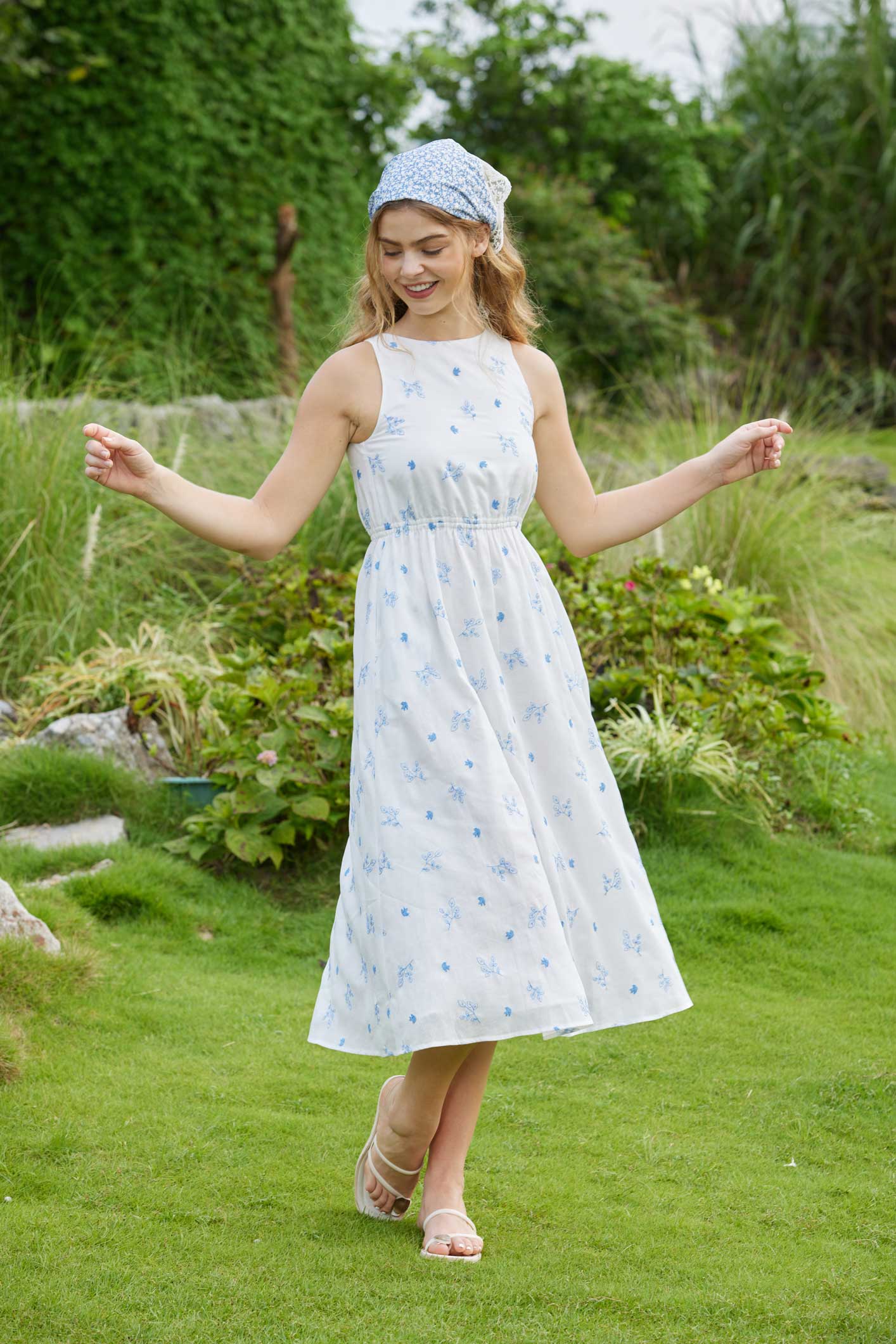
The linen midi dress
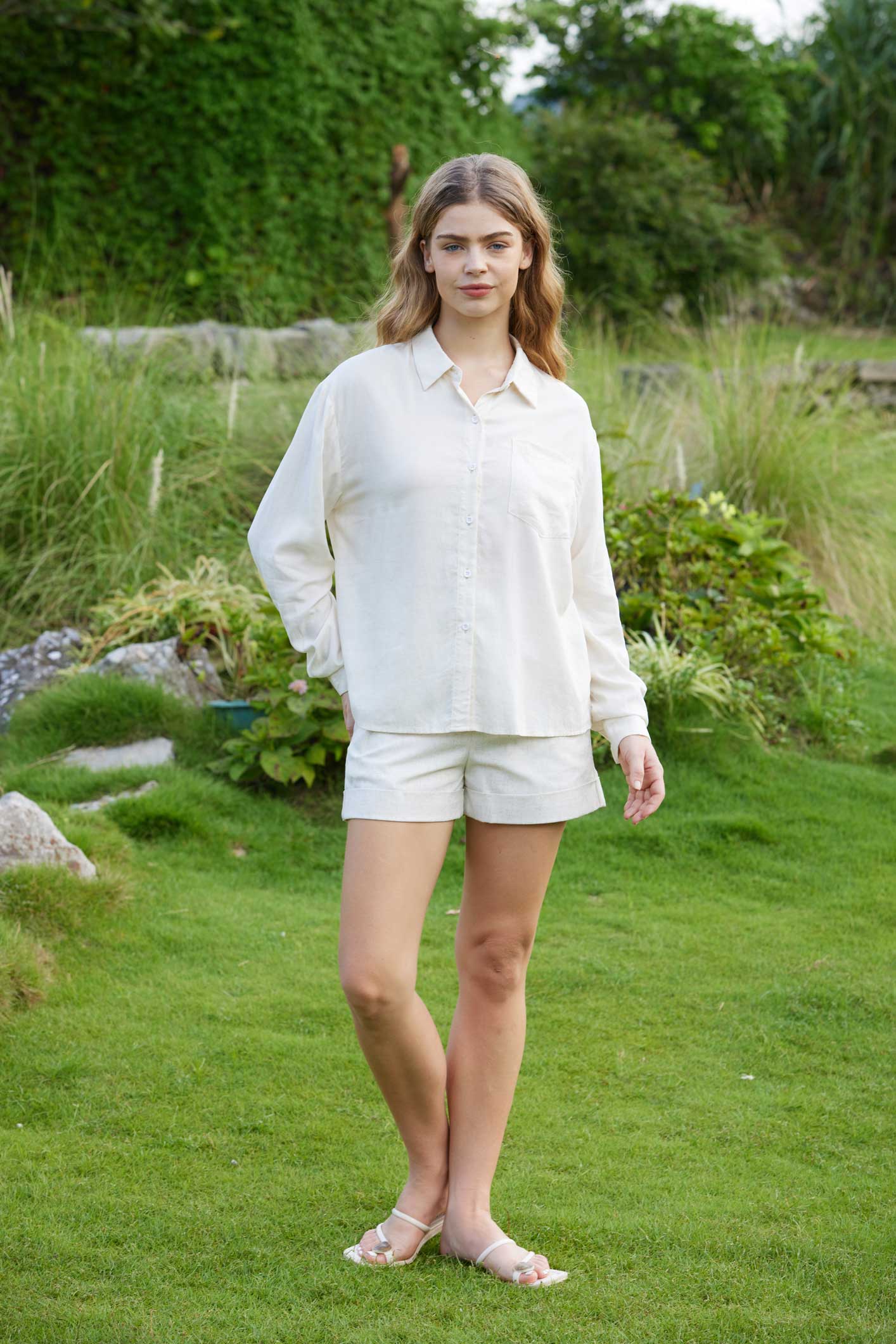
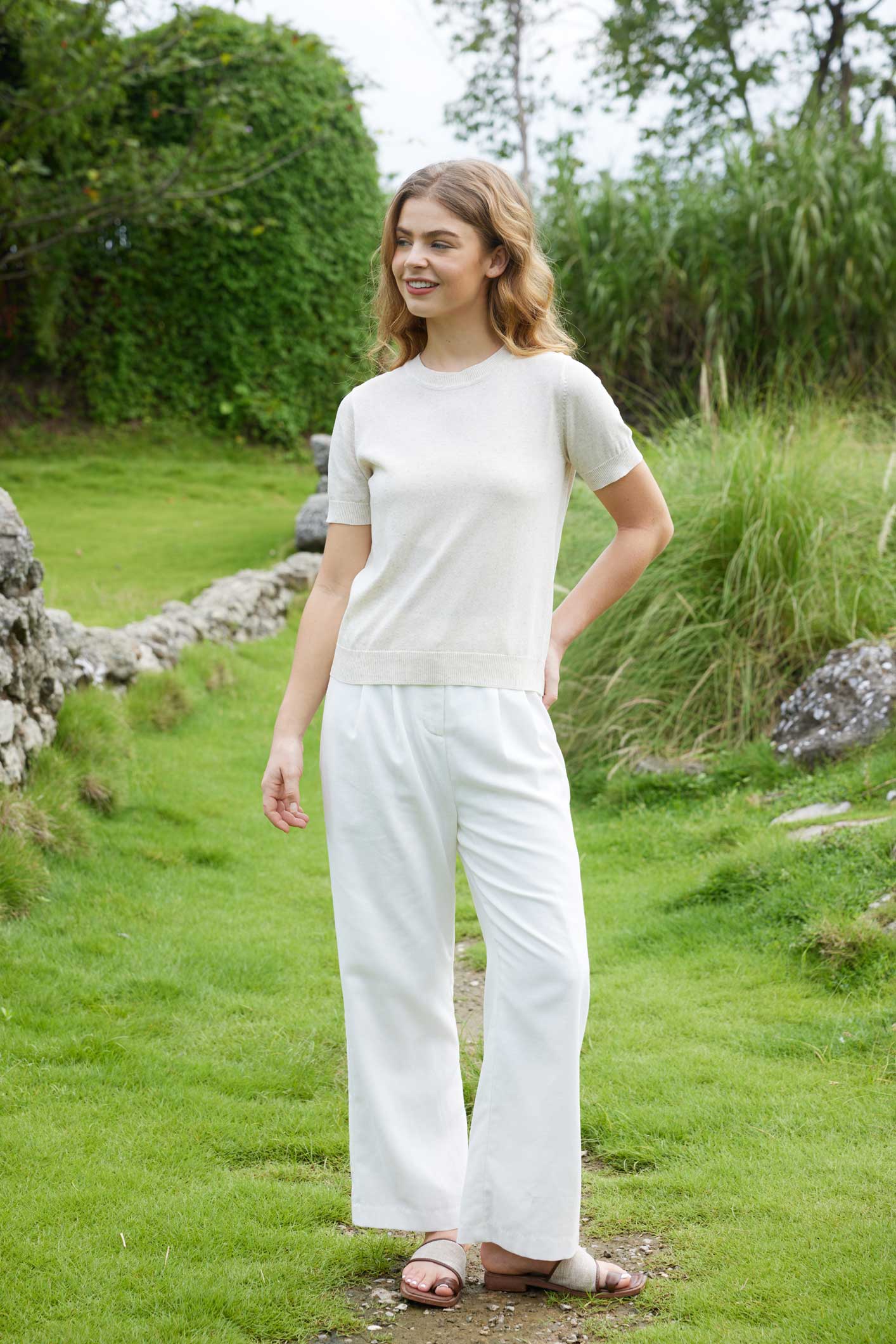
The shirt-and-trousers combination
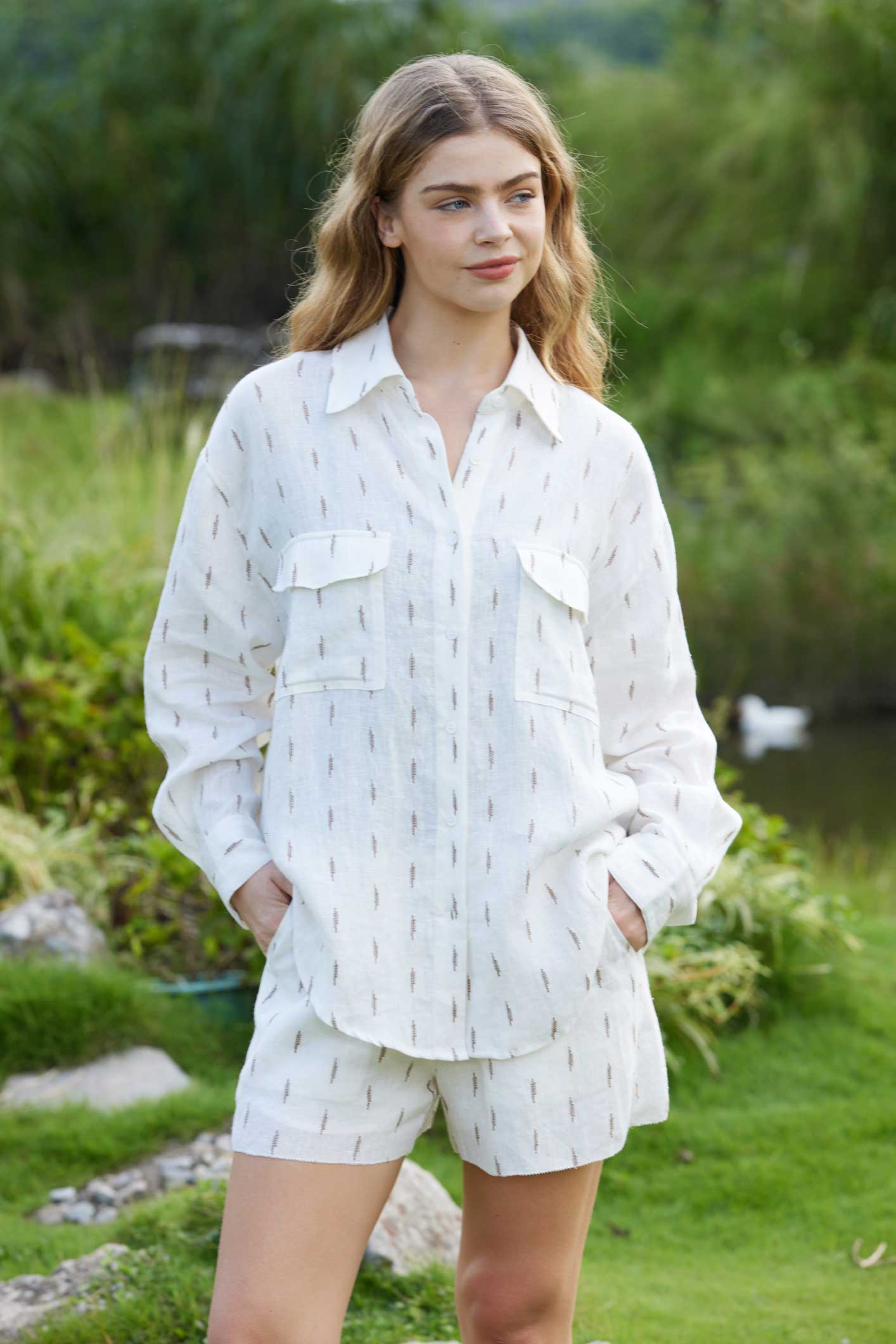
The linen set
Dressing it up without a jacket
6. Men's Thanksgiving Linen Outfit Ideas
The linen shirt, done two ways
Linen overshirt as the middle layer
Linen pants and the fit question
Finishing details
7. Colours, Weights and a Table That Looks Seasonal
Colours that read as November
How to combine them
Why weight is the real season marker
8. How to Layer Linen for a House With the Heating On
The three-layer order
The removal test
9. Comfort Rules for a Long, Sitting-Down Meal
Waist and cut
Seated length and drape
Sleeves and the kitchen
Travelling to the meal
10. Photo-Ready Without Looking Over-Dressed
Texture over pattern
Matte finish and warm light
Keep the silhouette simple
11. What to Avoid at a Thanksgiving Table
12. Prepare Your Linen Before the Day
Wash and refresh
Steam, do not press flat
Choose the layer order in advance
Check the fit seated
Frequently Asked Questions
Is linen too casual for Thanksgiving?
What weight of linen should I wear to a Thanksgiving dinner?
Will linen keep me warm on a cold Thanksgiving day?
The Short Version