How to Keep Linen Fresh Between Washes
How to Keep Linen Fresh Between Washes
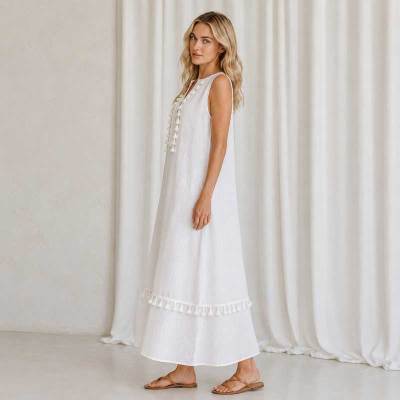
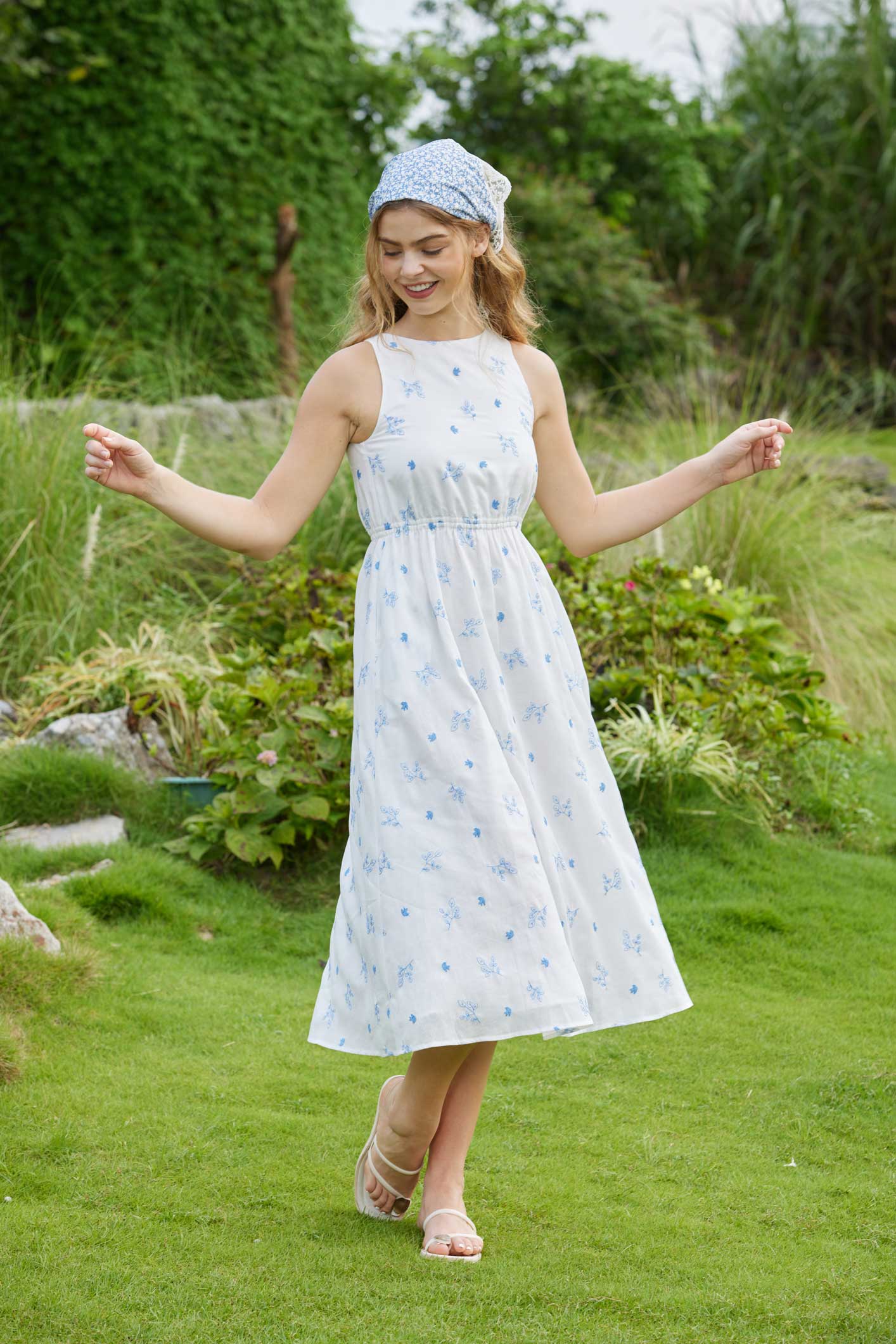
Linen stays fresh between washes for three to five wears of normal daytime activity, and for two wears in heat or humidity above 26 degrees Celsius. The reason is structural: flax fibre absorbs up to 12 percent of its own weight in moisture before it feels damp, wicks that moisture to the surface where it evaporates in minutes, and dries roughly 30 percent faster than cotton of the same weight. Bacteria need residual moisture and body oils to multiply, and linen removes the first while releasing the second slowly. The practical routine has four parts: air the garment for 24 hours after each wear on a wide wooden hanger in moving air, steam it for 60 to 90 seconds at 120 to 140 degrees Celsius to reset the fibre and lift surface odour, spot-clean only the contact zones, and wash at 30 degrees Celsius every third to fifth wear rather than after every use. This guide gives the exact wear counts by garment type, the evening reset that replaces a wash, why steam works better than ironing for odour, and the point at which freshness habits stop helping and a real wash is the only answer. If you are building a wardrobe around this rhythm, start with pieces that tolerate frequent airing, such as a linen dress in a mid-weight weave.
The Short Answer: How Often Linen Really Needs Washing
Linen is not a delicate fabric that must be washed gently after every wear, and it is not a self-cleaning fabric that never needs washing. It sits in a useful middle ground that most care labels fail to explain. The fibre releases moisture quickly, resists the build-up of the bacteria that create body odour, and holds its shape through repeated airing. What it does not do is repel body oils, deodorant residue or cooking smells, and those are the real reason a garment eventually needs water.
For a linen shirt worn to an office, a linen dress worn for a day of errands, or linen trousers worn in mild weather, three to five wears between washes is realistic. In summer heat above 26 degrees Celsius, or with any real physical exertion, drop that to two wears. Linen shorts and tank tops worn against bare skin in heat rarely stretch past two wears. Bed linen is a different rhythm entirely and is covered further down. The mistake most people make is not washing too rarely; it is washing too often, at too high a temperature, and then wondering why the collar has gone soft and thin after two summers.
There is a simple test that replaces guessing. Hold the garment to your face at the collar or underarm and breathe in through the cloth. If you smell nothing but neutral fabric, it is fresh. If you smell a faint sour or oily note, it has one wear left at most. If the note is obvious from arm's length, wash it. This test is more reliable than counting days, because it measures the only thing that matters: the residue load on the fibre. The wider protocol for machine washing sits in our guide to how to wash linen clothing.
Why Linen Stays Fresh Longer Than Cotton
The freshness advantage of linen is a matter of physics, not marketing. Flax fibre is a bast fibre, meaning it comes from the stem of the plant rather than from a seed coat. That origin gives it a long, straight, hollow structure with a distinctive lumen running down the centre. Moisture moves along that channel and out to the surface quickly. Cotton, by contrast, is a flattened, twisted seed fibre with a smaller lumen and a natural wax coating that slows both absorption and release.
Three measurable properties follow from this structure:
- Moisture regain of roughly 12 percent. Linen can absorb about 12 percent of its dry weight in water before it feels wet to the touch. Cotton feels damp at around 8 percent, and polyester at well under 1 percent. This is why linen feels cool and dry against skin even when you are sweating.
- Fast evaporation. Because the moisture sits near the surface and spreads across the fibre rather than pooling in the yarn core, a linen shirt dried in moving air loses most of its retained moisture within 20 to 30 minutes of being hung up.
- Low surface oil retention. The smooth, pectin-rich surface of flax yarn releases skin oils more readily in a short wash than the rougher surface of cotton. This matters because body oil, not sweat, is what bacteria actually feed on.
One point needs correcting because it circulates widely. Linen is often described as antibacterial. It is not sterile and it does not kill bacteria on contact. What it does is deny bacteria the damp, oily environment they need to multiply quickly. That distinction matters practically: linen worn for a week in humid weather will still develop a smell, because moisture from the air and accumulated skin oil eventually overwhelm the fibre's wicking capacity. The advantage is a delay of several wears, not immunity.
The 24-Hour Rule: What Fresh Actually Means
Freshness in linen is mostly a drying problem disguised as a cleaning problem. When you take off a linen shirt, the fibre holds moisture from your skin, a small amount of sebum at the collar and cuffs, and dead skin cells in the weave. If the garment goes straight into a laundry basket or onto the back of a chair in a still room, that moisture stays put for hours. Bacteria that were harmless on dry cloth begin to multiply in the warm, damp weave, and by morning the shirt has a smell that was not there when you removed it.
The fix costs nothing. Hang the garment within ten minutes of taking it off, on a hanger wide enough to hold the shoulder seam without stretching it, in a place with moving air. A doorway, a window with the curtain pulled back, or a room with a ceiling fan all work. Do not hang it in a closed wardrobe, and do not drape it over a chair back, which traps moisture in the fold. Give it a full day. By the next morning the fibre is dry, the surface cells have released their moisture, and the garment smells neutral again.
Three conditions break this rule and require a wash instead of airing:
- Humidity above 70 percent for the entire airing period, which prevents evaporation and encourages a musty note.
- Any garment worn directly against sweaty skin for more than four hours without a base layer.
- Linen that was already damp when removed, for example after rain or a spilled drink.
Airing is also the single best thing you can do for the life of the garment. Every wash cycle removes a small amount of fibre and surface fuzz. A shirt aired and steamed for a season and washed every fifth wear will outlast an identical shirt washed after every wear by a wide margin, and it will keep a smoother surface for longer.
Wear Counts by Garment Type
The three-to-five-wear rule is an average. The table below breaks it down by garment and by the conditions of wear, so you can stop guessing on a hot day. These figures assume the garment is aired for 24 hours between wears and spot-cleaned where needed.
| Garment | Mild weather, indoor wear | Above 26 degrees Celsius or active day | What forces an earlier wash |
|---|---|---|---|
| Linen shirt, worn over a base layer | 4 to 5 wears | 2 to 3 wears | Collar and cuff oil, cooking smells |
| Linen shirt, worn against skin | 3 wears | 2 wears | Direct underarm contact, sunscreen residue |
| Linen dress, sleeveless | 3 to 4 wears | 2 wears | Seat and waistband friction, perfume build-up |
| Linen trousers or wide-leg pants | 4 to 5 wears | 2 to 3 wears | Creasing at the knee, outdoor dust |
| Linen shorts | 2 to 3 wears | 1 to 2 wears | Bare-skin contact, sweat at the waistband |
| Linen tank top or camisole | 2 wears | 1 wear | Direct skin contact across the whole garment |
| Linen lounge set | 3 wears | 1 to 2 wears | Long indoor wear, food and cooking |
| Linen jacket or blazer | 8 to 10 wears | 4 to 5 wears | Underarm lining, restaurant and travel smells |
The pattern is simple: the more skin the garment touches and the more heat it meets, the shorter the interval. A jacket worn over a shirt is the most wash-efficient linen garment you own, because it never touches skin directly and airs out completely overnight. A lounge set is the least, because it is worn for long stretches in a warm indoor environment and often while cooking. If your wardrobe leans toward soft, relaxed pieces, our linen lounge sets are cut for exactly that kind of long, low-effort wear, which makes a spare set worth having.
The Evening Reset: Five Minutes That Replace a Wash
Most linen that smells has not been worn too long. It has been stored badly overnight. The evening reset is a short routine that takes the garment from worn to ready in a few minutes of hands-on time, plus an overnight airing. Do it in this order.
- Empty the pockets and turn the garment inside out. Crumbs, receipts and tissues hold moisture and odour. Turning the garment exposes the inner surface, where most of the moisture sits, to moving air.
- Check the three contact zones. Look at the underarm seam, the inside of the collar, and the cuff edge. These are where sebum collects. If any of the three shows a dull patch or a faint yellow cast, spot-clean it now rather than after it sets.
- Hang it wide. Use a hanger that fills the shoulder, not a thin wire one that creases the sleeve head. Button the top button so the collar holds its shape, and leave the rest open so air can move through the body of the garment.
- Create airflow. An open window for 30 minutes is enough in most weather. In a closed room, a fan on low for an hour does the same job. Do not use a plastic garment bag, which is the single most reliable way to produce a musty shirt.
- Steam in the morning, not at night. Steaming a garment and then leaving it in a closed wardrobe overnight puts moisture back into the fibre with nowhere to go. Steam in the morning, two minutes before you dress, and let it dry on the hanger.
This routine handles the ordinary case. It will not rescue a shirt worn for three consecutive days in August, and it is not meant to. What it does is extend the interval between washes by two or three wears across an entire wardrobe, which cuts both laundry volume and fibre wear by roughly half over a season.
Steam, Not Iron: Resetting Fibre and Odour Together
Steam does two jobs that matter for freshness, and an iron does only one of them. Heat from a steam iron relaxes the hydrogen bonds in the cellulose that hold wrinkles in place, which is why pressing works. Steam from a handheld steamer does the same thing at a lower surface temperature while also penetrating the weave with vapour, which lifts trapped odour molecules and kills the bacteria that produce them at the temperatures reached inside the fibre.
The temperature window matters. Below 100 degrees Celsius, steam is mostly a wrinkle tool and has limited effect on odour. Between 120 and 140 degrees Celsius at the soleplate or nozzle, a 60 to 90 second pass over each section is enough to neutralise surface bacteria and refresh the fibre. Above 150 degrees Celsius, you are in ironing territory on dry linen, which is fine for cotton but risks shine and flattening on linen's natural texture.
| Method | Temperature | Time per section | Best for | Watch out for |
|---|---|---|---|---|
| Handheld garment steamer | 120 to 140 degrees Celsius | 60 to 90 seconds | Shirts, dresses, jackets, trousers | Condensation if the garment is cold; let it warm first |
| Steam iron, hovering | 130 to 150 degrees Celsius | 20 to 30 seconds | Collars, cuffs, plackets, hems | Shine if pressed flat with weight |
| Steam iron, direct | 150 to 170 degrees Celsius | 15 to 20 seconds | Heavy 200 gsm and above linen | Fibre flattening; use a pressing cloth |
| Bathroom steam | 40 to 50 degrees Celsius air | 20 to 30 minutes | Light wrinkle release while travelling | No odour benefit; humidity can worsen a musty note |
The order of operations is the detail most people miss. Steam the inside of the garment first, then the outside. The inner surface is where odour-producing bacteria concentrate, and steaming it first means the outer face is finished with clean vapour rather than vapour that has just passed through a soiled surface. Hang the garment immediately after steaming and let it dry for two minutes before wearing. For a fuller method, including water quality and the right distance from the nozzle, see our guide to removing wrinkles from linen with steam.
What Actually Causes Odour in Linen
Understanding the cause makes the fix obvious. Human sweat is almost odourless when it leaves the body. The smell comes from bacteria on the skin and in the fabric breaking down two things: the fatty acids and proteins in sebum, and the compounds in apocrine sweat. Bacteria need three conditions to do this quickly: moisture, food, and warmth. Linen removes moisture fast, which is why it delays odour. It does nothing about food or warmth.
In practice, five sources account for nearly every linen odour complaint:
- Sebum at contact points. The collar, cuffs and underarm seams collect body oil that does not evaporate. This is the most common cause of a sour note that survives airing.
- Deodorant and antiperspirant residue. Aluminium salts and fragrances build up in the underarm weave and can turn rancid over weeks. They also hold moisture against the fibre.
- Damp storage. Linen put away slightly damp, or stored in a humid cupboard, develops a musty, cellar-like note within 48 hours. This is microbial growth, not stale air.
- Cooking and smoke. Linen's open weave absorbs airborne oils from kitchens, restaurants and wood smoke. These are fat-based and do not evaporate; they need a wash or a degreasing spot treatment.
- Sunscreen and body lotion. These leave an oily film that traps odour and can yellow over time, especially on white and light shades.
The distinction between the first three and the last two matters. Sebum and damp-storage smells respond to steam and a short wash. Oil-based cooking and cosmetic residue often needs a pre-treatment with a small amount of pH-neutral detergent worked into the area for five minutes before washing. If a smell persists after two washes, the cause is usually a build-up in the underarm seam that a normal cycle cannot reach, not a problem with the fabric.
Spot Treatment Without a Full Wash
Spot cleaning is the highest-value skill in linen care because it lets you address the actual problem area instead of wearing out the whole garment to fix one collar. Keep three things on hand: a pH-neutral liquid detergent, a soft toothbrush, and a clean white towel. Work in daylight so you can see what you are removing.
For the collar and cuffs, dilute a few drops of detergent in a cup of cool water, dip the toothbrush, and work the solution into the seam line in small circles for 30 seconds. Blot with the towel, then rinse the area by pressing a clean damp cloth against it three or four times. Do not rub, which drives the residue deeper into the weave and roughens the surface. Let it air dry flat.
For underarm areas, turn the garment inside out and treat the inner seam, not the outer face. A paste of bicarbonate of soda and water left for 15 minutes is effective on older deodorant build-up, but rinse it thoroughly because alkaline residue left in the fibre can accelerate yellowing over time. For oil-based stains from food or cosmetics, apply detergent directly to the dry fabric, wait five minutes, then wash as normal. Never apply heat to an oil stain before washing; heat sets it permanently.
What you should not spot-clean is a garment that already smells across the whole body, or one with a musty note from damp storage. Those need a full wash, and the musty case may need a pre-soak. Reach for a linen shirt that fits well at the collar when you plan to wear it several days running, because a collar that stands away from the neck picks up far less sebum than one that sits against the skin.
Storage Between Wears: Air, Cedar, and the Damp Mistake
How you store linen between wears determines whether the next wear starts fresh or already compromised. The single most common error is putting a garment away while it still holds warmth and moisture from the body. Even 20 minutes on a hanger before the wardrobe makes a measurable difference.
Use wide wooden or padded hangers for structured pieces and fold knits flat. Give each garment two to three centimetres of space; linen needs air circulating along its surface, and a packed rail traps humidity between garments. Avoid plastic covers entirely. Cotton garment bags are acceptable for long-term storage of jackets and occasion pieces, but only after the garment is fully dry.
Cedar blocks or lavender sachets are useful against moths and add a pleasant note, but they do not neutralise odour and they should not be used to mask a smell that indicates a cleaning problem. If a stored garment smells musty when you take it out, the cause is moisture, not moths. Air it in direct morning sun for one hour, which is enough to dry the surface and reduce surface microbes without fading most colours, then reassess.
Humidity control matters more than any product. A wardrobe in a room that stays above 60 percent relative humidity will produce musty linen regardless of how carefully you air it. A simple hygrometer costs little and tells you when to run a dehumidifier or open a window. For seasonal storage, wash and dry everything completely, fold with acid-free tissue at the fold lines, and avoid vacuum bags, which crush the fibre's natural loft and leave permanent creases in linen.
When You Do Wash: The Minimum-Effective Protocol
Eventually every linen garment needs a real wash, and doing it well is what protects the freshness advantage over years rather than months. The goal is the least mechanical and thermal stress that still removes oil and odour. That means cooler water, a shorter cycle, less detergent, and no fabric softener.
- Sort by colour and weight. Heavy 200 gsm linen trousers abrade lightweight 110 gsm shirts in the drum. Wash them separately, and wash white linen apart from anything with dye.
- Use 30 degrees Celsius and a short cycle. Fifteen to thirty minutes on a delicate or hand-wash setting is enough. Hot water accelerates dye loss and fibre degradation without improving soil removal at this level of soiling.
- Dose 20 to 30 millilitres of pH-neutral liquid detergent. More detergent does not clean better; it leaves residue in the weave that attracts moisture and dirt. Never use chlorine bleach on linen.
- Skip fabric softener. Softener coats the fibre, reducing absorbency and wicking, which is precisely the property that keeps linen fresh. It also builds up a film that traps odour over time.
- Spin at 600 rpm, no higher. Higher spin speeds crush the weave and set creases that need aggressive ironing to remove.
- Dry flat or on a hanger in shade. Two hours of direct midday sun is fine for white linen but will shift dark shades over a season. Never tumble dry on high heat.
Frequency matters as much as method. Following the wear counts above, a typical linen shirt worn three seasons a year will see roughly 30 to 40 washes over five years rather than 150. That difference is the gap between a garment that softens beautifully and one that thins at the collar. The full method, including load size and detergent types, is in our complete linen washing guide. If you are unsure whether a piece can go in the dryer at all, this answer on whether linen can be tumble dried covers the exceptions.
Travel and Heat: Keeping Linen Fresh Away from Home
Travel is where linen's freshness advantage is most useful and most easily lost. A linen shirt worn on a long flight and then worn again the next day in a warm city is a realistic scenario, and it is manageable with three small habits. First, pack linen rolled rather than folded, which reduces hard creases and lets air move through the roll. Second, unpack immediately on arrival and hang everything in the bathroom while you shower; the ambient steam releases travel creases without adding much moisture. Third, bring a small spray bottle of water rather than a linen spray with fragrance, which adds an oil film that attracts dirt.
In hot, humid climates the wear count drops sharply. Above 30 degrees Celsius and 70 percent humidity, linen holds surface moisture for longer and bacteria multiply faster. In those conditions, plan on two wears for a shirt and one for anything worn against bare skin, and wash daily in cool water if you have access to a machine. Hand washing in a basin with 10 millilitres of detergent, a five-minute soak, and a gentle press rather than a wring is enough to reset a garment overnight.
Gym and sport use is harsher still. Linen is not a performance fabric and does not need to be, but if you wear it for low-impact activity, rinse it in cool water immediately after and hang it to dry before it sits. The salt in sweat is harmless to linen; the bacteria that follow are not. A pair of linen shorts rinsed and dried the same day will be wearable the next morning, while the same pair left damp in a bag will need a full wash.
Bed Linen and Table Linen: A Different Rhythm
Bed linen does not follow garment rules, because it is in contact with skin and hair for eight hours a night, every night, and it collects sebum, sweat and skin cells continuously. The freshness interval for linen bedding is one to two weeks in cool weather and one week in summer, washed at 40 degrees Celsius rather than 30 because the soil load is higher and the fibre is usually a heavier weave that tolerates it. Pillowcases need changing roughly twice as often as the sheets, since they collect hair oil and skincare products directly.
Table linen is the opposite case. A linen tablecloth used for a two-hour meal does not need washing after every use if it is shaken out, checked for spots, and aired. Three to four uses between washes is typical for a cloth used at home, provided food spills are spot-treated immediately. Napkins are more personal and should be washed after one or two uses. Store table linen rolled rather than folded to avoid permanent crease lines, and never put it away damp, which is the fastest route to mildew on a heavy weave.
For both categories, the drying method matters as much as the frequency. Line drying in shade preserves colour and strength; a hot tumble dryer shrinks and roughens the surface. If you have space, a drying rack in a room with cross ventilation will dry a linen sheet in two to three hours and leave it softer than machine drying.
Five Myths About Linen Freshness
Several widely repeated claims about linen lead people to care for it badly. These are the ones worth discarding.
- Myth: linen is self-cleaning. Linen manages moisture well but does not remove oil. A garment worn for a week without washing will smell, and the oil will oxidise into a yellow cast that is difficult to reverse.
- Myth: linen should be washed after every wear because it creases. Creasing is a property of the fibre, not a sign of dirt. Steaming removes creases in under two minutes without a wash cycle.
- Myth: hot water sanitises linen. Water above 40 degrees Celsius accelerates dye loss and fibre degradation. Odour-causing bacteria are removed by detergent and drying, not by temperature alone.
- Myth: fabric softener makes linen fresher. Softener coats the fibre and reduces both wicking and absorbency, which makes the garment hold odour longer. It is the most common cause of linen that smells despite frequent washing.
- Myth: linen must be ironed to look fresh. A steamed garment with its natural texture looks correct. Flattening linen with a hot iron removes the very texture that makes it look like linen.
Each myth leads to the same outcome: more washing, more heat, more mechanical stress, and a shorter garment life. The correct approach is less intervention, applied more precisely.
How to Judge Freshness Potential Before You Buy
Not all linen behaves the same way between washes, and the differences are visible on a product page if you know what to look for. Four specifications predict how well a garment will hold up to an air-and-steam routine.
- Weight in grams per square metre. Lightweight linen at 110 to 140 gsm dries fastest and is best for hot climates, but shows oil at the collar sooner. Mid-weight at 150 to 180 gsm is the sweet spot for shirts and dresses worn multiple times between washes. Heavyweight at 200 to 240 gsm is for trousers, jackets and bedding, and holds shape through repeated airing.
- Garment-washed finish. Pre-washed linen has already shrunk and lost its surface stiffness. It feels soft from the first wear and, importantly, does not need a wash to become comfortable, which makes the airing routine viable from day one.
- Fibre content. One hundred percent linen wicks and dries at the rates described in this guide. Blends with viscose or polyester dry more slowly and hold odour longer. The composition should be stated explicitly.
- Colour depth. Very dark shades show oil sheen at contact points; very light shades show yellowing. Mid-tones and undyed natural shades are the most forgiving between washes.
These details also tell you how a garment will age. A 170 gsm garment-washed linen shirt aired and steamed between wears will develop a soft, broken-in surface over two or three seasons. A lightweight, resin-finished linen shirt washed after every wear will thin and lose shape in the same period. The difference is not quality alone; it is the care rhythm the garment was built to support.
Frequently Asked Questions
Can I put linen back in the wardrobe after wearing it once?
Yes, if it has been aired for several hours and shows no odour at the collar or underarm. Airing first and storing second is the rule; storing straight from the body is what creates the musty note people blame on the fabric.
Does steaming really remove smell or just cover it?
Steam at 120 to 140 degrees Celsius reduces surface bacteria and lifts trapped volatile compounds, so it removes rather than masks. It cannot remove oil-based residue from cooking or deodorant, which needs detergent and water.
How do I know when airing is no longer enough?
When the collar or underarm still carries a sour note after a full day of airing, or when the fabric feels stiff or slightly tacky at those points. Both indicate accumulated oil that only a wash will remove.
Is linen better than cotton for people who sweat a lot?
Generally yes, because linen absorbs and releases moisture faster and feels dry against the skin at a higher moisture content. The advantage is comfort and drying speed, not odour elimination; heavy sweating still requires a wash after one or two wears.
The Takeaway
Keeping linen fresh between washes is a matter of three habits applied consistently: air it for a full day after every wear, steam it briefly before wearing rather than ironing it flat, and wash it on a wear-count schedule instead of a calendar one. Together these cut laundry volume by roughly half, protect the fibre from unnecessary mechanical stress, and keep the garment looking and smelling clean for years longer than the wash-after-every-wear approach.
The garments that reward this routine most are the ones built for it: mid-weight, garment-washed, one hundred percent linen, in colours that hide the ordinary marks of wear. If you are ready to build around that standard, the linen dress collection is cut from the weights and finishes described here and designed to be worn repeatedly between washes without losing shape or surface.