How to Gift Linen: Sizing, Care Notes and Presentation
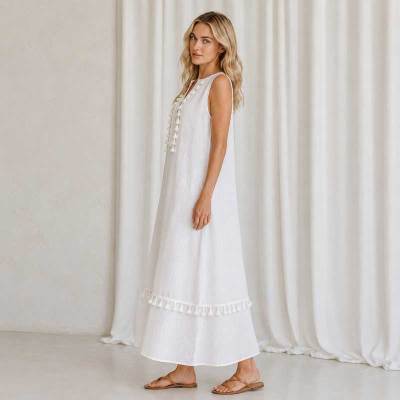
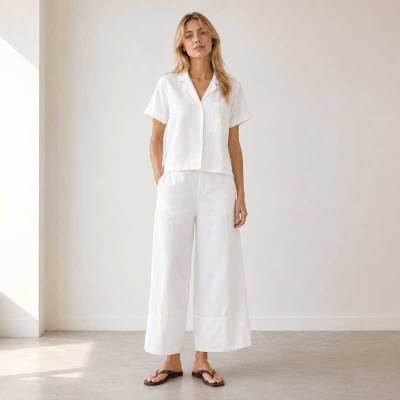
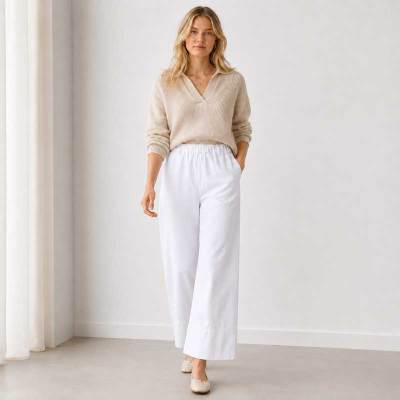
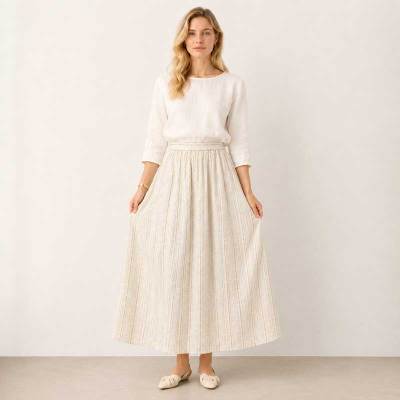
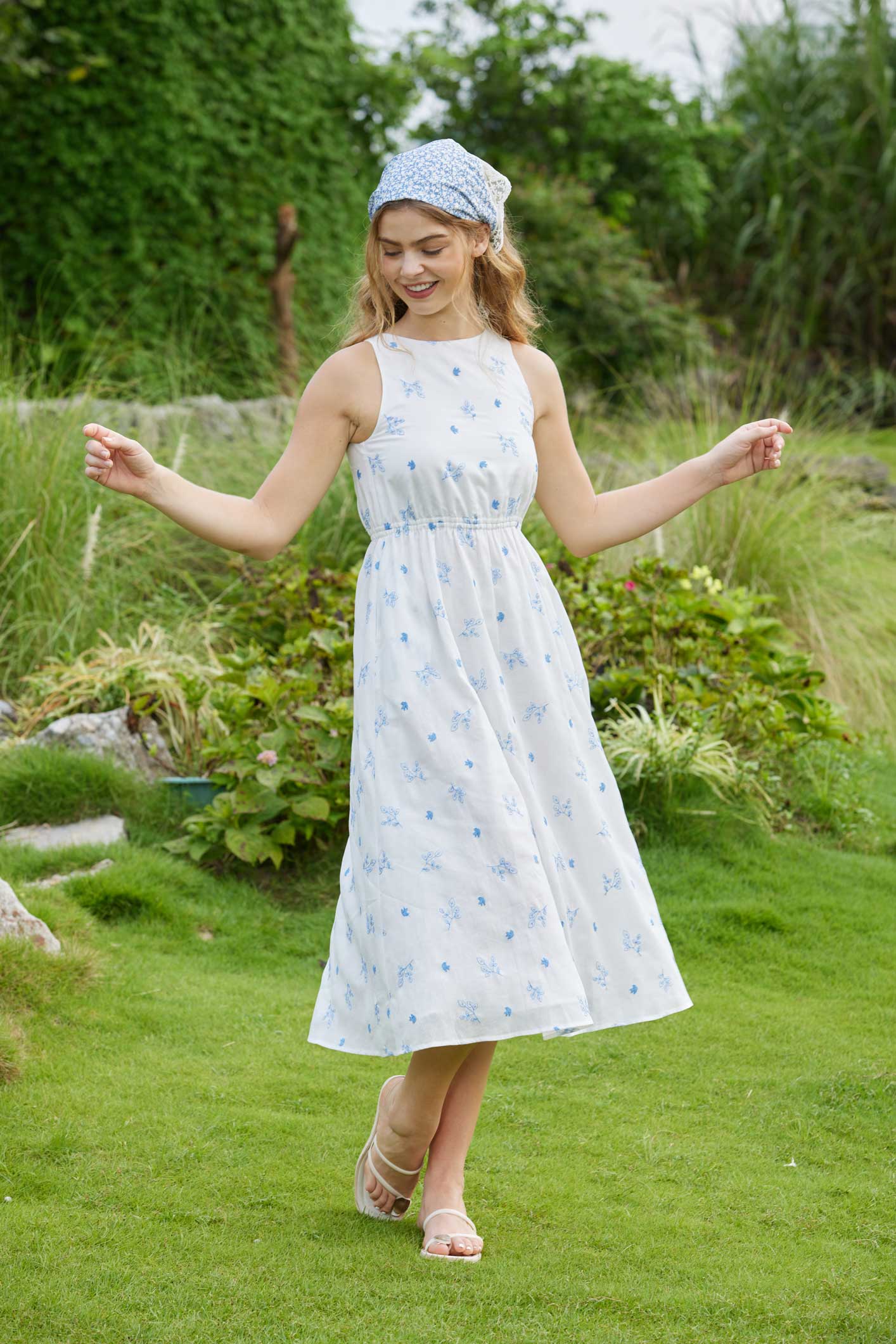
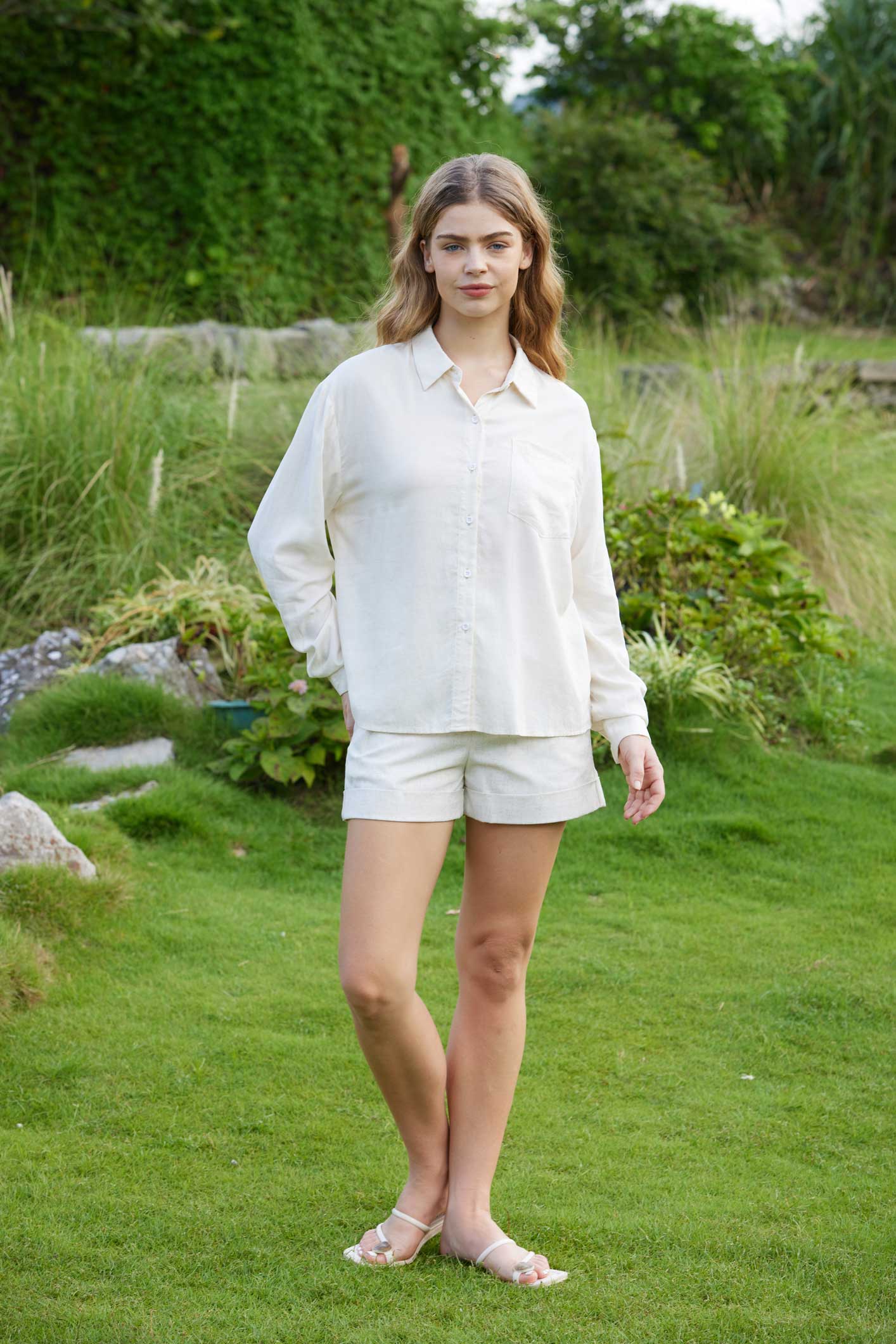
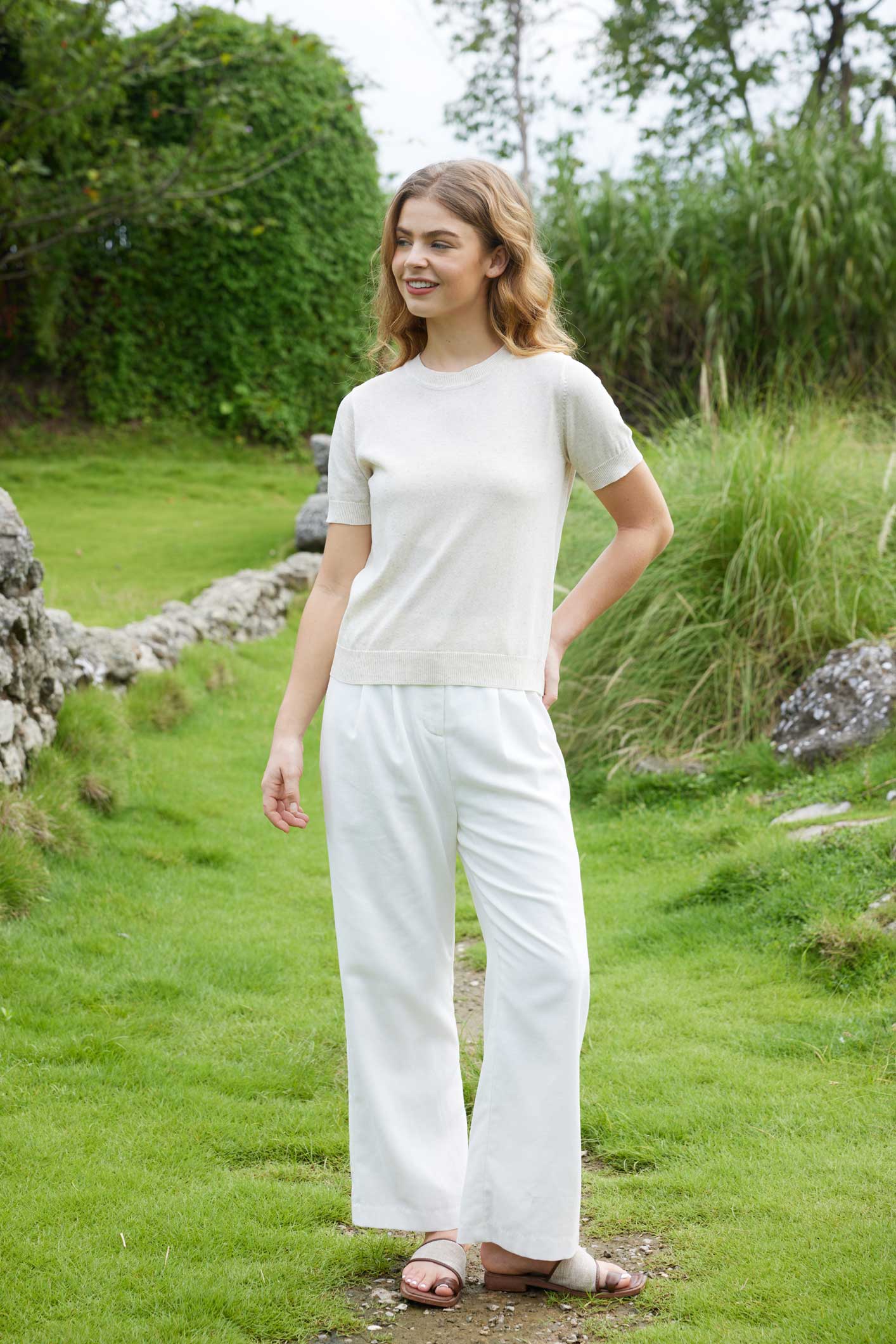
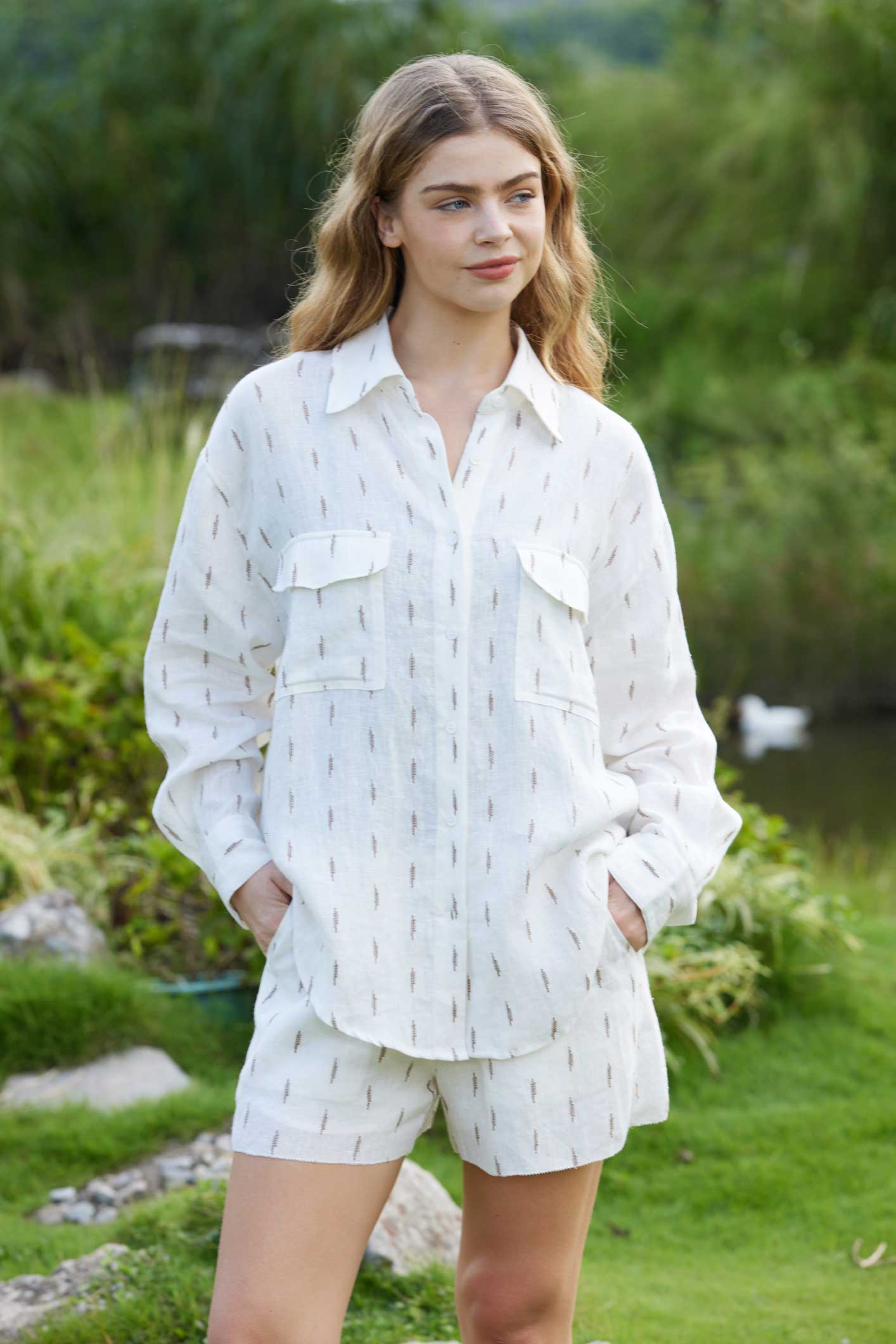
Direct answer: To gift linen well, solve three problems in order. First, sizing: if you do not know the recipient's exact measurement, avoid fitted garments and choose either a size-free home textile or a one-size-style piece such as a relaxed shirt, a scarf, a robe or a set with an elastic or drawstring waist, and if you must buy a fitted garment, order from a size chart that lists real product measurements and choose the larger size when the recipient sits between two. Second, care notes: include a short card that states the fibre content, the weight in grams per square metre and the wash temperature, because linen is washed cool, dried in air or on low heat and steamed rather than pressed, and new linen should have one cool wash before first use. Third, presentation: fold the piece loosely so the weave stays visible, skip a tight bow that crushes the texture, and keep the wrapping simple so the material itself is the visual feature. Get those three right and a linen gift feels selected rather than ordered, whatever the budget. This guide walks through the exact sizing decisions, the care card wording, and the presentation and delivery timing that make linen gifting reliable. Gifting linen is not difficult, but it fails for predictable reasons, and almost all of them trace back to one of three decisions. The first is sizing: clothing asks the recipient to fit a measurement, and if you guess wrong the gift never leaves the wardrobe. The second is care: linen has a short set of wash rules, and a gift given without them can be washed hot and dried on high heat, which stiffens and shrinks it. The third is presentation: linen is a textured, relaxed fabric, and packaging it like a stiff formal item works against everything the material is. Handle those three in order and the rest is easy. Sizing comes first because it decides what you can buy at all. Care comes second because it decides whether the gift survives its first month. Presentation comes third because it decides how the gift feels when it is opened, which is the moment that lingers in memory. A gift that gets the size right, includes a clear care note and is wrapped to show its texture reads as thoughtful even at a modest price, while a more expensive piece that ignores these steps can feel careless. There is a reason linen rewards this discipline more than most materials. Linen is made from the European flax plant, it is strong when wet, and it becomes softer and more absorbent across roughly the first twenty to thirty washes rather than wearing out. That means the gift is not a finished object on the day it is given; it is the start of something that improves. Explaining that in a single line on a care card changes how the recipient treats the piece, and treating it correctly is what unlocks the softening that makes linen worth owning. If you want the general logic behind choosing linen for a recipient in the first place, our overview of what makes a good gift for someone who loves linen sets the context, while this guide focuses on the execution: the size, the card and the wrap. Gift execution in one line: if you can measure it or it is size-free, you can gift it confidently; if you cannot, choose a format that does not depend on a measurement and let the material carry the gift. Before you look at a single product page, decide which of three sizing situations you are in, because the answer determines everything else about the purchase. Home textiles and small accessories carry no sizing risk at all. Tea towels, napkins, a table runner, a throw, a bath towel, a linen pouch, a tote or a scarf all work without a measurement. If you do not know the recipient's size, this is the safest category, and it is large enough that you rarely need to leave it. A natural-toned tea towel set or a linen throw suits almost any home, and a scarf or a pouch suits almost any person. Some garments sit comfortably between fitted and free. A relaxed linen shirt, a loose midi dress, a wide-leg pant, a robe, a sleepwear set or any style with an elastic or drawstring waist tolerates a broader range of bodies than a tailored piece. These formats are the right choice when you want to give something wearable without knowing an exact measurement, because an oversized shirt that is slightly large still looks intentional while a fitted one that is slightly small does not. Fitted dresses, tailored trousers, structured jackets and anything with a defined waist require a real measurement. Only choose these when you know the recipient's size from an existing garment or a recent purchase they have mentioned. If you are guessing, step back to situation two rather than risk a piece that cannot be worn. The practical effect of this classification is that you can almost always give linen, because the safe categories are wide. What changes with your knowledge of the recipient is only which part of the range you shop in. Start by asking whether you know a measurement; if you do not, choose a format that does not need one and skip the risk entirely. When you do decide to buy a garment, the way to read the numbers is explained in our guide to how sizes run, which walks through how to compare listed measurements against a garment the recipient already owns. Sometimes a gift must be a fitted garment, and the recipient is not available for a measurement. That situation is manageable if you follow a short method rather than guessing. Think of a piece you have actually seen the recipient wear, or ask someone close to them. If you know they always buy a particular size in a particular brand, that is a useful anchor. If you know only that they are "a medium", treat that as a rough guide rather than a fact, because medium varies by nearly a full size between brands. A trustworthy product page lists actual measurements such as chest, waist, hip and length, rather than only a letter. Compare those numbers against a garment the recipient owns and likes. If you cannot get a garment, compare against the average for their height and build, then apply the rule below. Linen has no stretch, so a piece that fits exactly at the seams can feel tight when the wearer sits, reaches or crosses their arms. When the recipient sits between two sizes, choose the larger one. A size up in linen reads as relaxed and intentional, and it can be taken in; a size down cannot be let out and is usually left unworn. Before you commit, check how exchanges work and keep the receipt. A gift with a relaxed exchange policy removes the pressure from the whole transaction, and in practice most correctly chosen sizes are kept anyway. Matching body measurements to listed garment measurements is the skill worth learning here, and the returns route is covered in the section on exchange-friendly gifting below. Two further habits reduce risk. First, favour pieces with adjustable features such as a drawstring waist, an elastic back or a wrap tie, because they absorb small sizing errors. Second, avoid sizing the gift around a seasonal change, since a recipient who is between sizes now may not be later. If one of these wrinkles is the sticking point, the specific case of a recipient who falls between two standard sizes is answered in our note on what to do if you are between sizes. The table below sorts common linen gifts by how much a size decision matters, so you can match the format to how well you know the recipient. It is a decision aid rather than a rule, but it removes the most common gifting error, which is choosing a high-risk format for a recipient whose size you do not know. Read the table from the top and stop at the first row that fits what you know. If you know nothing about the recipient's size, the first four rows are open to you and no guess is required. If you know their approximate size, the middle rows become available. Only the bottom two rows demand a real measurement, and only those justify asking a friend or checking a garment. One more consideration sits alongside size: the season and weight of the piece. A light 110 to 140 gsm cloth is a summer gift, while a 190 to 240 gsm piece suits autumn and winter. Matching the weight to the season the recipient will wear it in makes the gift feel considered, and it is one of the few decisions that is entirely in your control. For a wider set of recipient-based ideas that pair with these formats, our guide to linen gift ideas by budget covers how the same logic scales from a small token to a substantial present. A care card is the single cheapest upgrade you can make to a linen gift, because it turns an unfamiliar material into one the recipient knows how to keep. The card does not need to be long. Three facts and one instruction are enough. State whether the piece is 100 percent European Flax linen or a blend such as linen-cotton, and give the rough percentage. This matters because care differs slightly between a pure linen piece and a blend, and because the fibre is part of why the gift was chosen. A single line such as "100 percent European Flax linen" is sufficient. Include the weight, for example 190 gsm or 240 gsm. Weight tells the recipient how substantial the piece is and explains why it feels the way it does. It also helps them match it with other pieces and understand whether it is a light summer cloth or a heavier winter textile. Say plainly how to wash it: cool water, gentle cycle, mild detergent, no bleach, and either air dry or low heat. Linen is a durable natural fibre, but hot water and high heat are what stiffen and shrink it. A line such as "wash cool, dry low or air dry, steam to smooth" covers almost every case. Add a single sentence recommending one cool wash before first use. This removes any finishing left from the mill and begins the softening process, which is the step most new owners miss. It also frames the garment as something that improves rather than something fragile to preserve. For the full method, including how to handle stains and how to store linen between seasons, our guide to washing linen clothing covers the details, and it is worth summarising the key points on the card rather than leaving the recipient to search. Five to six short lines are enough, and they can be handwritten. What matters is that the recipient is not left guessing, because a linen gift that is cared for correctly improves with every wash, while one washed hot and tumble dried on high heat may not. The card is also a quiet signal that the gift was chosen with thought, which is often remembered longer than the piece itself. Linen is a textured, relaxed material, and it looks best when it is presented that way. Overworked packaging fights the fabric; simple packaging lets it speak. The steps below work for a small textile, a garment or a set. Fold the piece loosely so the weave stays visible and the material keeps some of its natural volume. Pressing linen flat under a heavy fold flattens the very texture that makes it special. A loose fold shows the drape and the surface, which is what the recipient will notice first. A rigid bow or a tight ribbon crushes the weave and can leave a mark. If you want to tie the gift, use a loose knot or a simple band in a neutral tone, and keep it light. The aim is to hold the fold, not to shape the fabric. Wrap in natural, oatmeal, warm white or kraft tones, which suit the material and let it read as considered. Bright or glossy wrapping competes with the linen and can make the gift look less expensive than it is. Neutral packaging and a visible texture is the combination that reads as quiet quality. Put the care card where it will be seen as the gift is opened, not hidden under the folds. The card is part of the present, and placing it on top makes the thoughtfulness visible in the first seconds. If you are giving a set, a single card covering the whole set is enough. One practical note: a hostess gift or a dinner invitation gift should be small enough to hold comfortably on arrival, so keep the wrapping compact. A larger gift such as a throw or a bath set is better sent ahead or left to a housewarming context. For small finishing pieces that complete a package, such as a scarf or a pouch, our linen accessories collection shows how the neutral palette carries across formats. Once the size and the presentation are settled, two remaining choices decide how well the gift fits the recipient's life: the weight of the fabric and the colour. Linen is sold across a wide range, roughly 110 to 240 gsm. A light 110 to 140 gsm cloth is ideal for high summer and warm climates, and it feels airy and cool. A mid-weight 150 to 190 gsm fabric is the most versatile, suitable for most of the year in a temperate climate. A heavier 200 to 240 gsm piece is warmer and more substantial, which makes it the right choice for autumn and winter gifting, whether it is a throw, a robe or a heavier shirt. Giving a light summer piece in December can feel like a seasonal mismatch, so let the date guide the weight. Natural, oatmeal, warm white, sand and olive suit almost everyone and combine with each other. If you know the recipient's wardrobe and it leans dark, oatmeal and olive sit comfortably; if it leans light, natural and warm white fit. If you cannot picture their style at all, choose natural, which is the most neutral of the linen tones and works against both pale and dark backgrounds. A neutral linen piece rarely misjudges taste, whereas a bold colour is only safe when you have actually seen the wardrobe. Garment-washed linen has already been softened and stabilised, so it drapes from day one and shrinks far less in the recipient's first wash. For a gift, this is worth preferring, because it removes the small risk that a raw piece feels stiff or changes shape. It also means the piece can be worn immediately rather than after several washes. These two decisions, weight and colour, are where a linen gift either lands in the recipient's routine or sits in a drawer. They require no measurement and little confidence, only attention to the season and to what you already know about the person. Get them roughly right and the piece will be worn or used often, which is the only test that matters in the end. Even careful givers occasionally pick the wrong size or colour. The difference between a small inconvenience and a wasted gift is whether you built in a way to fix it, so treat the exchange route as part of the gift rather than an admission of doubt. Read how returns and exchanges work, how long the window lasts and whether the recipient can act on your behalf. A gift with a straightforward, clearly stated exchange process removes the pressure from the whole transaction, because both giver and recipient know that a wrong guess is correctable. Our guide to exchanges for a different size, can I exchange for another size, explains how that process works in practice. Retain the order confirmation and mention it in one relaxed sentence when you give the gift, such as "if the size is off, it is easy to swap". Framing the option calmly signals confidence rather than doubt, and in practice most correctly chosen linen gifts are kept. Do not hand over a receipt with a price circled; just make the option known. Adjustable details absorb small errors. A drawstring waist, an elastic back, a wrap tie or an oversized cut all tolerate a size that is slightly off, so a garment with those features is a safer gift than a fixed, fitted one. This is another reason the forgiving formats stay high on the list when you are uncertain. If you are unsure between two neutral tones, a colour exchange is usually simpler than a size exchange, because it does not depend on fit. Choosing between natural and oatmeal is therefore low risk, and either one will suit most wardrobes. When you are deciding between a colour you are unsure about and a neutral you are confident in, the neutral is the better gift. Building in this safety net does not weaken the gift, it protects it. A recipient who knows they can adjust the size is more likely to wear the piece and less likely to leave it in the wardrobe, so the exchange route is really part of making the gift useful. A linen gift can be perfectly chosen and still arrive at the wrong moment. Timing is the last piece of execution, and it is easy to plan for once the gift is chosen. Bring it with you, and keep it small enough to hold comfortably on arrival. A tea towel set, a napkin set, a scarf or a pouch fits the moment. A larger piece such as a throw or a bath set is better saved for a housewarming or a holiday. Send the gift after the household has settled rather than during the move, so it arrives when it can actually be used instead of getting lost among boxes. Waiting even a week or two makes the gift more welcome and gives you a natural reason to say that no reply is needed. Order early enough to leave a margin for delivery, and check the delivery window before you commit. Add a few days around public holidays, when postal and courier services slow down. If the date is fixed, plan backward from it rather than ordering at the last moment. Work backwards from the date the recipient needs the gift, then allow for shipping on top of the order and dispatch time. Holiday periods are the busiest of the year, so the same order that takes a week in spring can take noticeably longer in December. Ordering early also gives you room to exchange a size if needed before the day. One habit ties this together: buy the care card and the wrapping at the same time as the gift, so the package is ready when the piece arrives. A gift that is chosen, wrapped and explained as one deliberate step feels more considered than a piece that arrives in time but with nothing to accompany it. Linen gifting scales well across budgets, because quality lives in the weight and finishing rather than in ornament. The guidance below is a starting point for matching spend to impact. At a modest price, the best value is a piece that will be used often: a tea towel set, a napkin set, a scarf or a pouch. These do not need a size, they suit almost anyone, and they carry the natural-fibre story into everyday use. A useful small gift beats a larger item that has to be stored. In the middle range, spend on a heavier, better-finished piece rather than a more complicated one. A 210 to 240 gsm throw or a well-finished mid-weight shirt will look and last better than a lighter piece with more detail. Visible quality in linen comes from the density of the weave and the neatness of the finishing, so weight and construction are where the money should go. At higher budgets, choose the pieces a household uses daily: a bath towel set, a bedding set or a considered robe. These replace something the recipient already uses and will use for years, which is what makes a larger spend feel justified. Confirm the size first, since this is the range where a wrong fit wastes the most money. The pattern is consistent: the more you spend, the more the gift should be something the recipient uses every day, and the more important it becomes to get the size right. Linen does not need to be expensive to be a good gift, but at every price the best value is usefulness, weight and finishing rather than packaging or novelty. Most disappointing linen gifts fail for one of a small set of predictable reasons. Avoiding them is worth more than spending more money. Notice that none of these is a problem with linen itself; each is a mismatch between the gift and the recipient's routine. Linen is an easy material to gift well once the size, the care note and the presentation are handled deliberately rather than assumed. Gift checklist before you order: format chosen so no size guess is needed, larger size selected if between sizes, weight matched to the season, a care card drafted with fibre, gsm and wash temperature, presentation planned as a loose fold, and delivery timed to the occasion. If you do not know the recipient's size, avoid fitted garments and choose a size-free gift such as tea towels, napkins, a table runner, a throw or a scarf, none of which need a measurement. If you want to give a garment, choose a forgiving format such as a relaxed shirt, a loose midi dress or a wide-leg pant, and select the larger size when the recipient sits between two, because linen has no stretch. Only buy a fitted piece when you know the measured size from a garment they already own. Four short lines are enough: the fibre content, such as 100 percent European Flax linen; the weight in grams per square metre; the wash temperature, which should be cool with a gentle cycle and mild detergent; and the drying method, which should be air dry or low heat rather than high heat. Add a single sentence recommending one cool wash before first use, which removes mill finishing and starts the softening process. Our guide to washing linen clothing covers the full method if you want to add more detail. Fold the piece loosely so the weave and drape stay visible, and avoid a tight bow or a pressed-flat fold that crushes the texture. Wrap it in neutral tones such as natural, oatmeal, warm white or kraft, and keep the package light and easy to hold. Place the care card on top so it is seen as the gift is opened. Letting the natural texture be the visual feature is what makes linen look considered rather than overly styled. Gift linen by solving three things in order. For sizing, decide whether the gift needs a measurement at all; if it does not, choose a home textile or accessory, and if it does, choose a forgiving format such as a relaxed shirt, a loose midi dress or a wide-leg pant, sizing up when the recipient sits between two. For care, include a short card stating the fibre, the weight in grams per square metre and the wash temperature, plus a note to wash cool before first use. For presentation, fold loosely, wrap simply in neutral tones, skip the tight bow and place the card where it will be seen. Then match the weight to the season, stay in neutral colours unless you know the wardrobe, keep the receipt and mention the exchange option lightly, and time the delivery to the occasion. Do those things and the gift will be used rather than stored, which is the only real measure of whether linen gifting worked. The material is generous and long-lasting and improves with every wash, so most of the work is done for you; your task is merely to choose a format that asks nothing of the recipient except to enjoy it. If you want to give linen that becomes part of a daily routine rather than a drawer, start with a piece that needs no size guess and work up from there. Our linen collections are cut from 100 percent European Flax with a garment-washed finish, and every product page lists the exact fibre content and weight in grams per square metre so you can match the gift to the season. Check the delivery window before you order, include a short care card, and pair a scarf with a shirt or a throw with a tea towel set to complete the present.How to Gift Linen: Sizing, Care Notes and Presentation
1. The Direct Answer: Solve Sizing, Care and Presentation in That Order
2. Sizing First: Decide Whether the Gift Even Needs a Size
Situation one: the gift does not need a size
Situation two: the gift needs a size, but the format is forgiving
Situation three: the gift needs an exact size
3. How to Choose a Size You Cannot Measure
Step one: find a known garment
Step two: compare listed measurements, not labels
Step three: apply the linen allowance
Step four: confirm the exchange route before you order
4. One Table: Sizing Risk by Gift Format
Linen gift Needs a size? Risk if you guess Best when you know Tea towels or napkins No None Nothing about the recipient Table runner or throw Broad dimensions only Very low A little about their home Scarf, pouch or tote No None Nothing, works for anyone Relaxed shirt or oversized top One size style Low Their general build Wide-leg pants or drawstring waist Size band, forgiving Medium Their approximate size Loose midi dress Size band, forgiving Medium Their approximate size Fitted dress or tailored trousers Exact size High Their measured size Structured jacket Exact size High Their measured size 5. The Care Card: Exactly What to Write on It
Fact one: the fibre content
Fact two: the weight in grams per square metre
Fact three: the wash temperature
The one instruction: wash before first use
6. Presentation: How to Wrap Linen So It Looks Right
Fold, do not press
Skip the tight bow
Keep the palette neutral
Include the card inside, visible on opening
7. Matching the Weight and Colour to the Season and the Recipient
Weight: match it to when the gift will be worn
Colour: stay neutral unless you know the wardrobe
Finish: prefer the garment-washed look
8. Exchange-Friendly Gifting: How to Make a Size Mistake Recoverable
Check the policy before you order
Keep the receipt and share it lightly
Prefer pieces that adapt
Keep colour exchanges in mind too
9. Timing and Delivery: Making Sure the Gift Arrives When It Is Needed
For a dinner invitation or a hostess gift
For a housewarming
For a birthday or anniversary
For holiday gifting
10. Budget: Where Linen Gift Money Works Hardest
Small budgets: buy usefulness, not novelty
Mid budgets: put the money into weight
Larger budgets: choose the buy-it-once pieces
11. Common Mistakes When Gifting Linen
Frequently Asked Questions
What size linen should I buy as a gift?
What should I write on a linen care card?
How do I present a linen gift so it looks elegant?
The Short Version