Linen Gift Ideas: Thoughtful Natural-Fiber Presents for Every Budget
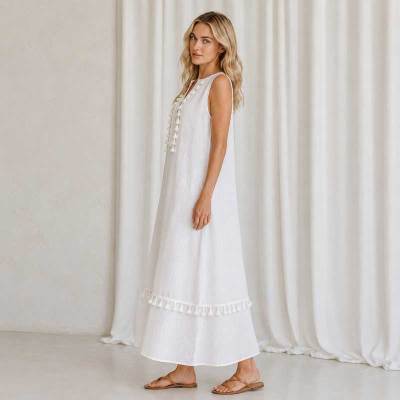
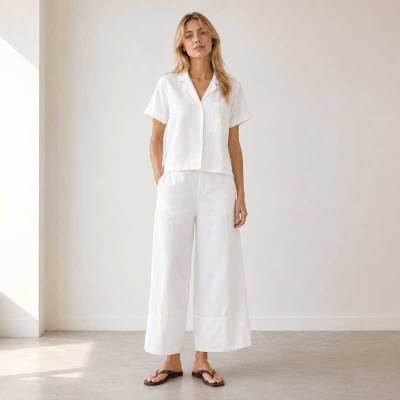
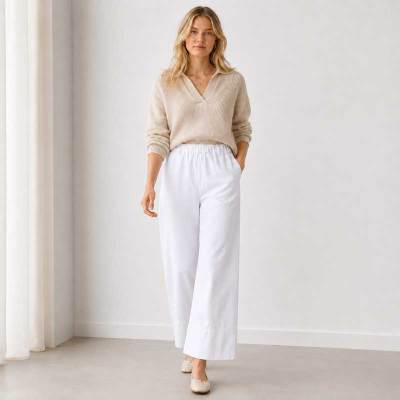
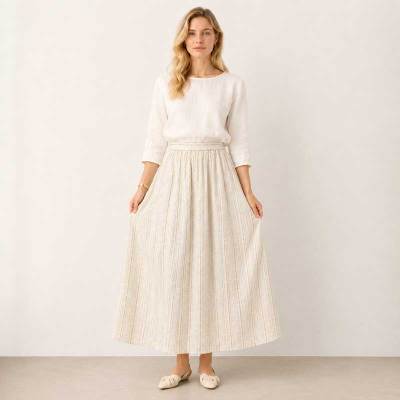
Direct answer: The best linen gifts are the pieces where fit is forgiving and use is obvious: a garment-washed linen robe, a linen sleepwear set, a linen towel set, a linen apron, a linen scarf or wrap, linen bedding, a linen tote, and a care kit that keeps everything they already own looking new. Only after those universal pieces should you consider fitted clothing, and then only with a real size reference. Budget matters less than most gift guides admit, because linen lands on three price plateaus that each solve a different problem: under 40 USD buys a useful accessory that is used daily, 40 to 90 USD buys a core garment that replaces something worn out, and 90 to 200 USD buys a piece someone would rarely justify buying for themselves. Above 200 USD, linen bedding or a full set becomes a genuine occasion gift rather than a token. This guide explains why linen works as a gift at any budget, what makes a linen present land rather than sit in a drawer, a four-tier budget plan with specific pieces and realistic price bands, how to gift linen clothing when you do not know the size, which care accessories turn a single garment into a longer-lasting gift, how to package linen so it arrives looking like it was chosen rather than ordered, and the mistakes that turn a good fibre into an awkward present. Most gifting guides are really budget guides. Linen is unusual because the fibre itself carries value that has nothing to do with the price tag. A person who receives linen receives a material that gets better with use rather than worse, and that single characteristic makes it one of the few textiles that is a safe present across almost every relationship and every spending level. The first reason is lifespan. Flax fibre is stronger wet than dry and roughly 30 percent stronger than cotton at the same yarn count, which is why linen hand-me-downs outlast the people who first wore them. A garment-washed linen piece has already been softened once at the mill, so the fibres are relaxed before the first wear and the fabric continues to soften across the first twenty to thirty washes rather than pilling or thinning the way short-staple cotton does. As a gift, that means you are handing over something that will still be in rotation in five years, which is a difficult claim to make about a scented candle. The second reason is that linen is a low-risk gift socially. It has no strong smell, no battery, no software, no seasonal expiry and no etiquette trap. It does not require the recipient to change a habit, download an app or make room on a shelf. It slots into a life that already exists. That makes it appropriate for a colleague, a host, a mother-in-law or a partner without the awkwardness that comes with more personal categories. The third reason is allergy and sensitivity. Linen is naturally breathable, wicks moisture and holds far less residual chemistry than heavily finished synthetics, which matters if the recipient has sensitive skin or runs hot at night. If that describes someone you are buying for, the category overlaps neatly with gifts that are genuinely useful, and the reasoning is the same one behind our guide to linen tops that sit comfortably against the skin for a full day. The fourth reason is the story. Slow fashion has moved from a niche into a mainstream purchase consideration, and a recipient who already cares about buying fewer, better things will recognise a linen gift as a deliberate choice rather than a default one. If that is the person you are shopping for, the thinking is the same as the wardrobe logic in our guide to building a linen capsule wardrobe, just applied to a gift box rather than a closet. None of this makes linen a magic present. It still fails when the fit is wrong, when the colour fights the recipient's wardrobe, or when the piece arrives creased and unpackaged. Those are solvable problems, and the rest of this guide is about solving them. Gift satisfaction is not a function of price. It is a function of how quickly the recipient reaches for the item the first time and how often they reach for it afterwards. Four tests predict that better than any spending target. A linen robe goes on every morning and every evening. A towel set is used after every shower. A sleepwear set is worn six nights a week. These pieces earn their place because they attach to a habit the recipient already has, rather than asking them to build a new one. Robes, wraps, scarves, aprons, towels, bedding and totes have no size risk at all, or a range so wide that the wrong guess is still wearable. This is why the safest linen gift is almost never a fitted garment, even when the fitted garment is prettier in a photograph. A gift that requires a new outfit is a burden. A gift that completes an existing outfit is a pleasure. If the recipient lives in neutral tones, a stone or oatmeal linen piece disappears into their rotation; if they wear colour, one accent piece lands better than a full set they will not know how to combine. Two sentences explaining the choice turn an object into a thought. "This is 100 percent European Flax with a garment-washed finish, so it gets softer every time you wash it" does more work than any ribbon. The one-question filter: ask what the recipient uses every single day, then find the linen version of it. Daily-use categories beat occasion categories in almost every budget band. Price bands are approximate retail ranges for 100 percent linen pieces in the categories described. Use them as a planning frame rather than a price list, and expect seasonal variation between autumn and mid-winter. Two planning notes sit on top of the table. First, the jump from Tier 1 to Tier 2 buys usefulness, not status: 60 USD spent on a sleepwear set that is worn six nights a week beats 60 USD spent on three small accessories used once a month. Second, the jump from Tier 3 to Tier 4 buys frequency rather than quality, because bedding is in use for roughly eight hours a day, which makes it the highest-use category per dollar in the entire list. If you are buying for someone who already owns a lot of linen, skip straight to Tier 1 care items and Tier 4 bedding. Someone with eight linen shirts does not need a ninth, but they will use a proper wash bag, a drying guide and a second set of pillowcases, and none of those require knowing a size. This tier is where most linen gifts should start, because the cost of being wrong is low and the cost of being right is a daily habit. A linen towel weighs less than a comparable terry towel, dries in a fraction of the time and becomes softer with washing. For someone who lives in a small apartment or travels often, a linen hand towel or bath sheet solves a real space problem. Look for a weight around 200 to 260 gsm; lighter towels feel flimsy and heavier ones lose the quick-dry advantage. An undervalued gift for anyone who cooks, gardens or works with their hands. Linen aprons resist heat, do not build static and soften quickly. A cross-back apron in a mid-weight weave is the version people actually wear, because it does not pull on the neck after an hour. A light linen wrap covers three seasons and, unlike wool, does not itch at the neck. A 180 by 70 cm wrap in a 150 to 190 gsm weave is the most flexible size: it works as a scarf in autumn, a shawl over a dress in summer and an extra layer indoors in winter. A practical gift with almost no failure mode. Heavier weaves at 260 gsm and above hold shape and survive daily use. If you want the gift to feel considered rather than utilitarian, choose a bag with a reinforced base and an inner pocket. The cheapest way into the bedding ecosystem and the most repeated compliment in the category, because linen pillowcases are cooler than cotton at night and reduce the friction that creases skin and hair. A pair in a standard size fits almost every bed. This band buys the piece someone will wear most often. It is also the band where a size reference stops being optional and starts being essential. The strongest gifting category in this tier. A linen sleepwear set is worn six nights a week, breathes better than cotton in a warm room and lasts for years, so the cost per wear drops below almost any other garment you could give. Choose a relaxed cut with an elastic or drawstring waist, because sleepwear should not depend on an exact measurement. A wardrobe workhorse in a 140 to 190 gsm weave. It works open over a top, buttoned under a knit, tucked into tailored trousers or worn over swimwear. If you are gifting a shirt and do not know the size, a relaxed cut with a drop shoulder is far more forgiving than a fitted one. Useful beyond summer, because linen shorts in a heavier weave at 190 to 220 gsm layer over tights in cooler months and stay comfortable indoors year round. An elasticated waist removes the fit risk almost entirely. The everyday piece that replaces a tired cotton tee. Two colour options matter here: a neutral that matches their existing bottoms and one accent that gives them something to reach for on a good day. A light linen set reads as an outfit rather than two garments, which makes it a better gift than a single piece at the same price. If the recipient already owns linen separates, this is the piece that makes their wardrobe feel finished. Our linen sets list the fibre content, weight in gsm and garment-wash finish on every product page, which is exactly the information you need to give someone who cares about how a gift is made. One rule keeps this tier safe: when in doubt, choose the more relaxed cut and the more neutral colour. Both decisions increase the chance the piece actually enters rotation. This is the band where gifting changes character. Below it you are giving something useful; here you are giving something the recipient wanted but would not have bought for themselves, which is the definition of a good present. The single best linen gift in the middle tiers, and the one with the closest thing to universal appeal. A knee-length or mid-calf robe in a 190 to 260 gsm weave is warm enough for a cool morning and cool enough for a warm bathroom, which is a combination cotton terry struggles to reach. Choose the size generously: a robe that is slightly too large feels luxurious, while one that is slightly too small is unwearable. A gift that carries emotional weight as well as practical use, which is why it needs the most care. If you know the recipient's usual size in a comparable natural-fibre brand, a relaxed midi or shirt dress is the safest silhouette because it relies on drape rather than on tailoring. If you do not know their size, gift the dress in the most forgiving cut you can find and keep the receipt. Our linen dresses cover weights from light summer shirting to heavier transitional cloth, so the piece is genuinely season-matched rather than randomly chosen. Bottoms have the highest wear count of any garment, and a well-chosen pair of linen pants in a 190 to 260 gsm weave works across spring, summer and early autumn. An elasticated or drawstring waist turns a fit gamble into a safe bet, and a wide leg flatters more bodies than a tapered cut. Two pieces that are used together in the same room make a stronger gift than one larger piece at the same price, because the recipient experiences the gift as a small upgrade to a daily routine rather than as a single object. Bedding is the highest-use linen category in existence and the one most people never buy for themselves, which makes it the strongest occasion gift at this level. A linen bedding set is in use for roughly eight hours a day, every day, for years. As a cost-per-hour calculation it beats almost any other object you could give at the same price, and the benefits are tangible rather than decorative: linen moves moisture away from the body overnight, feels cool on contact in warm rooms and warm in cool ones, and softens dramatically across the first year of washing. Bundles work when every item shares a job. A robe, a towel and a pillowcase pair in the same weave and tone read as one considered gift. Combining bedding with a separate garment usually reads as two gifts with different purposes, which is a fine outcome but a different one, and worth deciding deliberately rather than accidentally. Seasonal note for Q4: linen production runs in limited seasonal batches, so colours and sizes sell through rather than restocking weekly. Ordering in early autumn gives you the widest choice and the most time to exchange a wrong size before the date matters. Size is the only real failure mode in linen gifting, and it is entirely avoidable with one of five approaches. If you are buying for someone who wears linen constantly, there is a shortcut: buy in their existing size and weight, not in a new direction. Matching the weight they already wear means the new piece layers with what they own, and matching the tone means it enters rotation in the first week rather than waiting for the right occasion. Colour is the second half of the sizing problem and it is easier to solve. Neutral tones are almost always safe; the exceptions are people with a strongly defined palette, who are usually easy to identify because their existing clothing already tells you what they choose. When in doubt, choose the neutral and spend the difference on a second small item in the same tone. The most underrated linen gift is the thing that keeps the linen the recipient already owns in good condition. Care items are cheap, they require no size knowledge and they pair naturally with any garment you are already giving. The reasoning behind each item is simple: most linen damage is not wear, it is heat and mechanical abrasion. A high-heat dryer cycle and a hot iron set creases and shrink a garment long before the fibre itself fails, so the care kit is really a lifespan extension. The full method, including temperature bands, stain treatment by type and how to protect printed or embroidered pieces, is in our linen care guide, which you can print or copy onto your own card. Adding a care card to a garment gift costs almost nothing and changes the outcome measurably. Recipients who know the three numbers wash linen correctly from the first week, and the piece they were given is still in rotation when cheaper gifts have been retired. Linen is a naturally creased fibre, and a creased garment in a plain mailer reads as careless even when the fibre is excellent. Presentation is not decoration; it is the difference between a gift that looks considered and one that looks shipped. One practical packaging warning for Q4: linen shipped in cold, damp conditions can arrive feeling stiff. It relaxes within an hour at room temperature, or faster after a shower-steam hang, so mention it on the card rather than letting the recipient assume the fabric is coarse. Finally, write two lines by hand. Linen gifts are chosen, not defaulted, and the shortest note explaining why you picked the fibre does more for the gift than any upgrade in wrapping. A linen towel set, a cross-back apron or a pair of linen pillowcases. All three are used daily, none depends on knowing the recipient's size, and all three soften with washing rather than wearing out. A 200 to 260 gsm weave is the sweet spot: light enough to dry quickly, heavy enough to hold shape and survive regular laundry. Yes. Linen is breathable, moves moisture away from the skin and holds far less residual chemistry than heavily finished synthetics, so it is usually well tolerated. For the safest choice, pick garment-washed pieces in undyed or light natural tones and avoid heavy prints, then wash once before the first wear. Pick a fit-free category first: robe, scarf, wrap, towel, apron, bedding or tote. If you want to give clothing, choose cuts that adapt to a one-size error, such as drawstring waists, drop shoulders and loose midi lengths, ask for one measurement rather than a size label, and include the exchange note with the gift. Gift linen by function and frequency rather than by price. Under 40 USD buys an accessory used every day; 40 to 90 USD buys the core garment they wear most and replace least often; 90 to 200 USD buys a robe, dress or pant that someone rarely buys for themselves; above 200 USD, bedding delivers eight hours of daily use for years. Across every tier, the safest gifts are the ones where fit is forgiving, and the smartest addition is a three-number care card that keeps the piece looking new. If you remember one rule, use this one: buy the linen version of something the recipient already does every day, check that it is 100 percent European Flax with a garment-washed finish, and choose the more neutral tone. A gift that fits an existing habit is used in the first week; a gift that requires a new one is admired once and stored afterwards. Choosing a linen gift this season? Start with a piece that works across three seasons rather than one: our linen dresses and matching separates in 100 percent European Flax list the exact fibre content, weight in gsm and garment-wash finish on every product page. If you need sizing help before you order for someone else, our shipping FAQ covers delivery timelines and destinations, and a single measurement is usually enough for us to recommend the right cut.Linen Gift Ideas: Thoughtful Natural-Fiber Presents for Every Budget
1. Why Linen Works as a Gift at Almost Any Budget
2. What Makes a Linen Gift Land Instead of Sitting in a Drawer
Test one: does it remove friction from a daily routine?
Test two: is the fit forgiving?
Test three: does it match what they already own?
Test four: does it come with a reason?
3. A Four-Tier Linen Gift Budget Plan
Tier Typical spend Best gifting category Why it works Risk level Tier 1 Under 40 USD Scarf, apron, towel, tote, pillow cover Daily use, zero fit risk, easy to add a second piece later Very low Tier 2 40 to 90 USD Sleepwear set, relaxed top, shirt, shorts The core garment they wear most and replace least often Low, with a size reference Tier 3 90 to 200 USD Robe, dress, pants, set, bathrobe and towel bundle A piece most people want but rarely buy for themselves Medium, needs sizing care Tier 4 200 USD and above Bedding set, matched robe and sleepwear set, gift bundle Occasion gift with visible daily payoff and long life Low if the room palette is known 4. Tier One: Useful Linen Gifts Under About 40 USD
Linen towel or hand towel
Linen apron
Linen scarf or wrap
Linen tote or grocery bag
Pair of linen pillowcases
5. Tier Two: Core Garments From About 40 to 90 USD
Linen sleepwear set
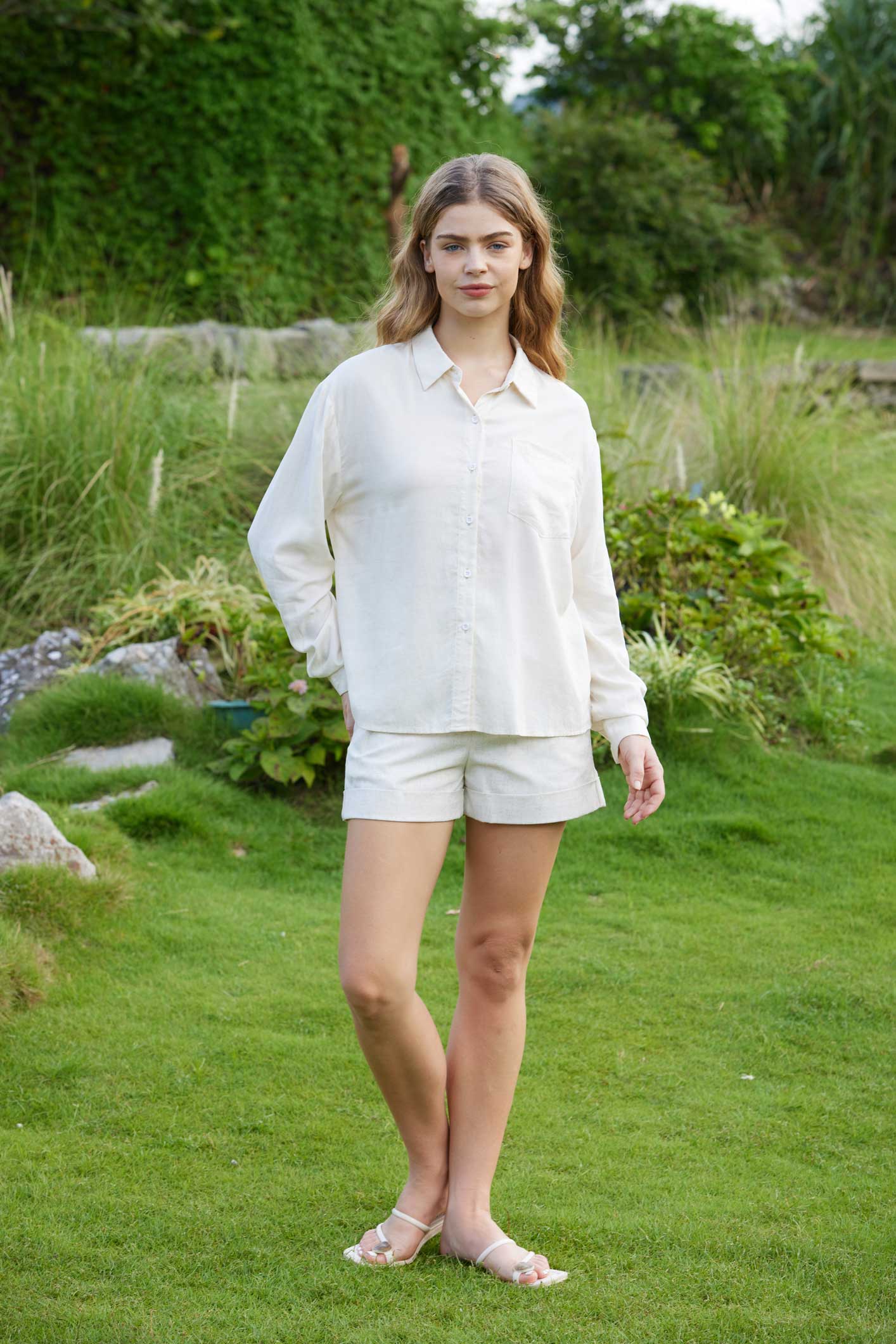
Relaxed linen shirt
Linen lounge shorts
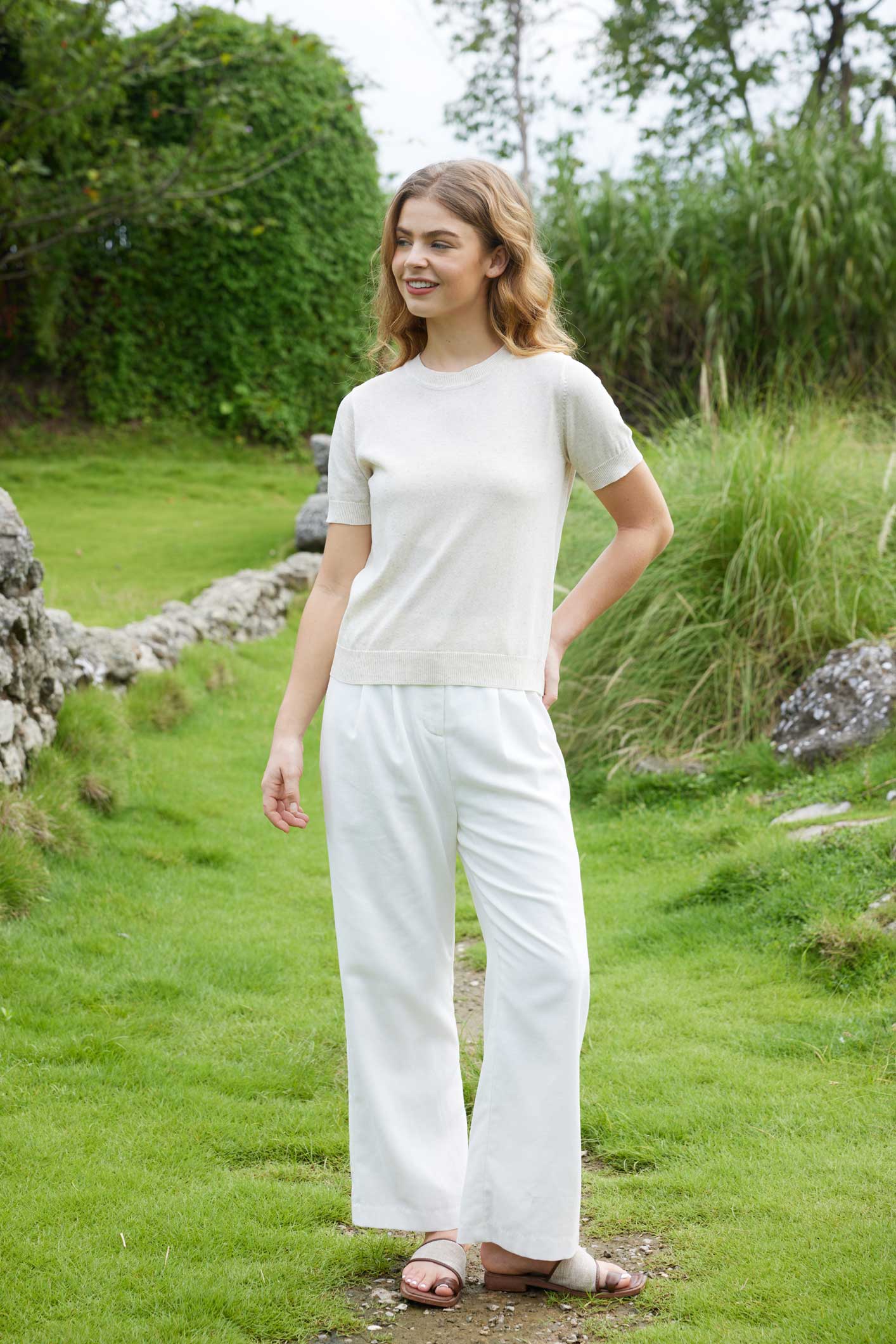
Linen top or tee
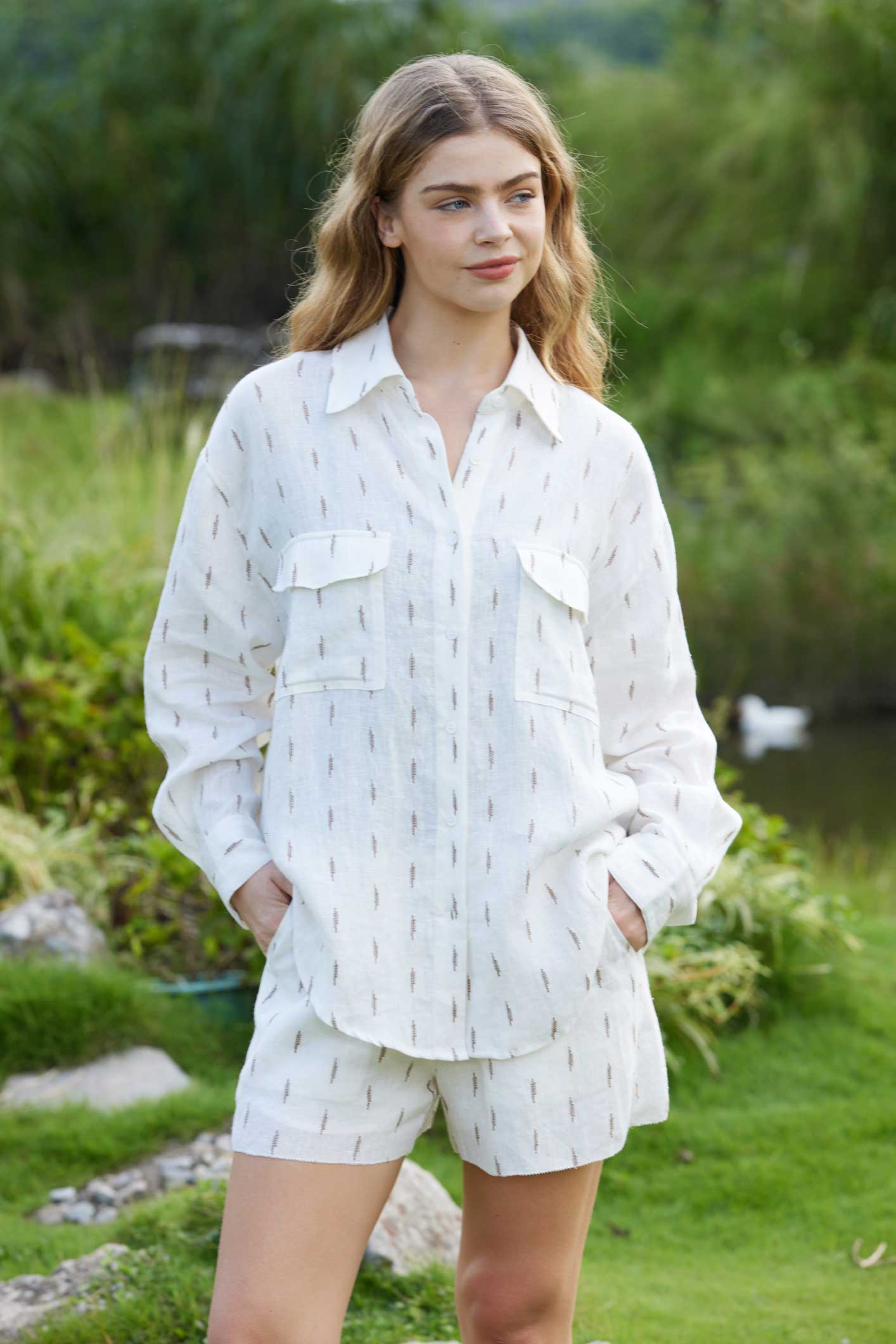
Matched top and bottom in a light set
6. Tier Three: Statement Linen Pieces From About 90 to 200 USD
Linen robe or bathrobe
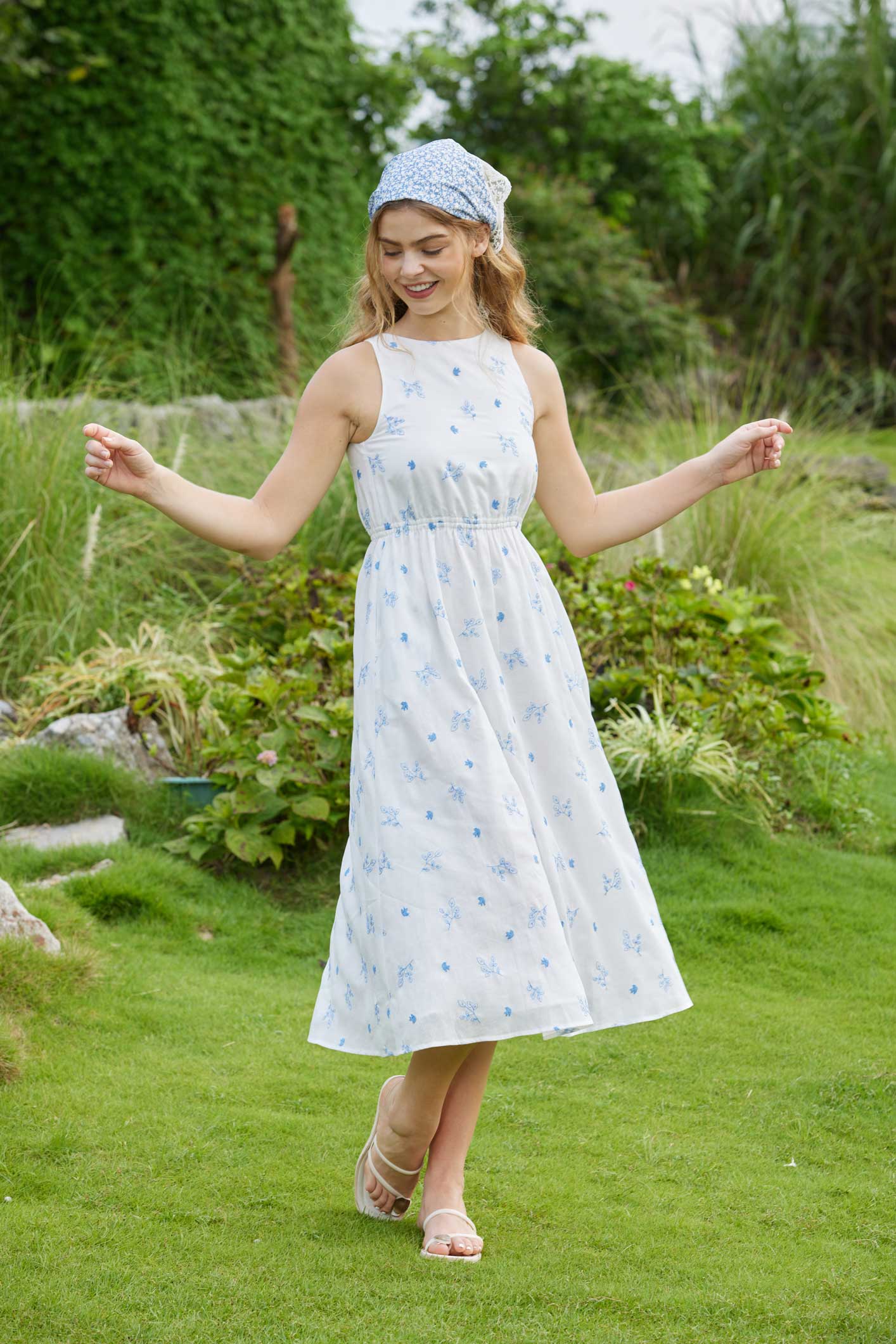
Linen dress
Linen pants in a heavier weave
Robe and towel bundle
7. Tier Four: Linen Bedding and Gift Bundles Above About 200 USD
Why bedding outperforms almost every other luxury gift
How to choose a set without seeing the bed
Building a gift bundle
8. Gifting Linen Clothing When You Do Not Know the Size
9. Care Accessories That Make a Great Linen Gift Better
What to include
10. Packaging and Presentation: Making Linen Arrive Well
Frequently Asked Questions
What is the best linen gift under 50 dollars?
Is linen a good gift for someone with sensitive skin?
How do I choose a linen gift if I do not know their size?
The Short Version