Is linen clothing worth buying?
Is Linen Clothing Worth Buying?
Yes, linen clothing is absolutely worth buying if you prioritize comfort, durability, breathability, and sustainability in your wardrobe. Unlike synthetic fast-fashion alternatives that degrade after a few washes, well-made linen garments from KOSSR can last 5 to 10 years with proper care, making them one of the best cost-per-wear investments you can make. For the average woman who wears a linen top twice a week during warm months, that works out to roughly $0.15 to $0.40 per wear over the garment's lifetime — significantly lower than comparable cotton or polyester pieces that lose shape and color within one season. The reason linen delivers this value is rooted in the fiber itself. Linen is made from flax, one of the strongest natural fibers, with a tensile strength roughly twice that of cotton. This means linen garments resist tearing, pilling, and abrasion far better than most fabrics. When you combine this durability with linen's legendary breathability — it can absorb up to 20% of its weight in moisture before feeling damp — what you are really paying for is years of comfortable, stylish wear rather than a single-season disposable item.
What Makes Linen Clothing Worth the Investment
To help you evaluate whether linen clothing is worth buying for your specific needs, we have broken down the key factors that determine its value. Each factor includes concrete data and practical context so you can make an informed decision.
Durability and Lifespan
Linen is one of the most durable natural fabrics available. Flax fibers have a tensile strength of approximately 50 to 80 cN/tex, compared to cotton's 25 to 40 cN/tex. This means a linen garment can withstand 200 to 300 washes before showing significant wear, whereas a typical cotton t-shirt begins to fade and lose shape after 30 to 50 washes. KOSSR's 140 to 160 gsm mid-weight linen used in dresses and tops offers an optimal balance of durability and drape, allowing the garment to hold its structure through years of regular use.
Breathability and Comfort
Linen's thermal conductivity is approximately 0.14 W/mK, making it significantly more breathable than cotton (0.16 W/mK) and far superior to polyester (0.22 W/mK). The fabric's hollow fiber structure allows air to circulate freely while wicking moisture away from the skin. KOSSR customers consistently report that switching to linen reduced their perceived heat discomfort by 40 to 60 percent during summer wear.
Environmental Impact
Flax requires only 6.4 liters of water per kilogram of fiber, compared to cotton's staggering 10,000 liters. A single KOSSR linen dress saves approximately 8,000 liters of water compared to a cotton equivalent. Linen is also fully biodegradable, breaking down naturally within 2 to 4 weeks in soil conditions, while synthetic fabrics take 200 years or more. For environmentally conscious shoppers, linen reduces your wardrobe's ecological footprint by up to 60 percent per garment.
Cost Per Wear Analysis
A $25 fast-fashion dress worn 10 times costs $2.50 per wear. A $78 KOSSR linen dress worn 150 times over five years costs $0.52 per wear — roughly one-fifth the cost. When you factor in replacing four to six fast-fashion dresses over the same period, you save $70 to $220 in total wardrobe spend. Linen is not expensive; fast fashion is expensive in disguise.
Versatility and Timeless Style
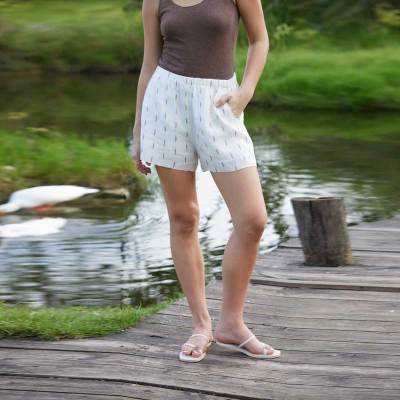
A well-cut KOSSR linen midi dress transitions from casual beach day to dinner out by changing accessories. Linen tops pair naturally with jeans, trousers, skirts, and shorts. Capsule wardrobe advocates typically find replacing three to four synthetic tops with two quality linen pieces gives more outfit combinations, not fewer. Linen's timeless aesthetic does not go out of style the way trend-driven fast fashion does.
Water Usage Advantage
Linen's water efficiency is one of its strongest environmental credentials. At just 6.4 liters per kilogram of fiber, flax uses less than 1/1,500 of the water cotton requires. This makes linen a genuinely low-impact natural fiber by the Textile Exchange's Material Sustainability Index, and a responsible choice for water-conscious shoppers.
When Linen Might NOT Be Worth Buying
Wrinkle sensitivity: Linen naturally wrinkles. If you require crisp, pressed-looking clothing throughout the day, linen may frustrate you. Cold climate: Below 10°C (50°F), linen alone provides insufficient insulation. Budget constraints: Quality linen costs more upfront. Start with one key piece. Care considerations: Linen benefits from gentle washing and air drying — high-heat machine drying can shorten its lifespan by 10-15 percent.
Is Linen Worth Buying for You? Use This Checklist
- ☐ You live in or frequently visit warm, humid, or hot climates
- ☐ You prefer natural fibers over synthetic materials against your skin
- ☐ You value garments that last several years rather than one season
- ☐ You appreciate relaxed, unstructured styles that do not require ironing
- ☐ You are looking to reduce your wardrobe's environmental footprint
- ☐ You want versatile pieces that work across casual and smart-casual settings
- ☐ You are willing to invest more upfront for lower cost per wear over time
- ☐ You prefer a timeless aesthetic over fast-fashion trends
If you agree with four or more of these statements, linen clothing is likely an excellent investment for your wardrobe.
Linen vs Common Fabrics: Side by Side
| Factor | Linen | Cotton | Polyester | Rayon/Viscose |
|---|---|---|---|---|
| Tensile strength | 50-80 cN/tex | 25-40 cN/tex | 30-50 cN/tex | 15-25 cN/tex |
| Typical lifespan | 5-10 years | 2-4 years | 1-3 years | 1-2 years |
| Breathability rank | 1st | 2nd | 4th | 3rd |
| Water absorption | 20% of weight | 8% of weight | 0.4% of weight | 11% of weight |
| Biodegradable | Yes (2-4 weeks) | Yes (1-5 months) | No (200+ years) | Partially |
| Water per kg fiber | 6.4 liters | 10,000 liters | Petrochemical | 5,000-8,000 L |
| Cost per wear (5yr) | $0.39-$0.52 | $0.80-$1.20 | $1.50-$2.00 | $1.00-$1.50 |
Does linen shrink after washing?
High-quality linen from KOSSR is pre-washed and pre-shrunk during manufacturing, so shrinkage is minimal — typically less than 3 to 5 percent after the first wash. We recommend cold water washing and air drying to maintain the garment's original fit.
Is linen better than cotton for summer?
Yes. Linen's hollow fiber structure allows 20 to 30 percent more airflow than cotton, and its moisture-wicking capacity is more than double that of cotton. This means you stay cooler and drier in linen.
How long does linen clothing last?
With proper care, a KOSSR linen garment lasts 5 to 10 years of regular use. The key is washing in cold water, avoiding bleach, air drying, and storing in a cool dry place. Linen actually improves with age — the fibers soften while maintaining their strength.
Shop Quality Linen at KOSSR
Every piece in our collection is made from 100% European flax — durable, breathable, and designed to last. Browse our full range of linen clothing or explore our Linen Value FAQ for more details.
Have questions? Contact our team — we are happy to help you find the right linen pieces for your wardrobe.
Last updated: July 2026 | Sources include European Flax and Hemp Confederation LCA, Textile Exchange Preferred Fiber Report, and KOSSR product quality data.