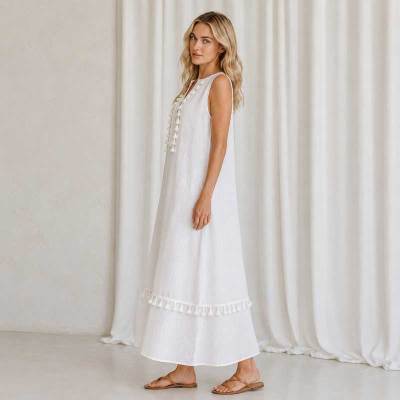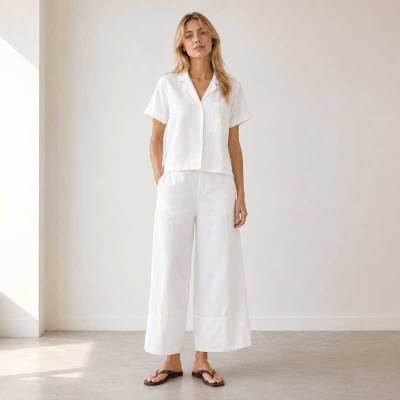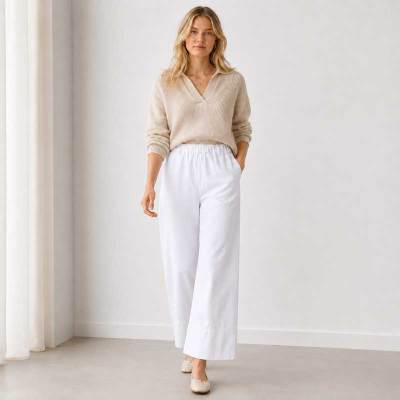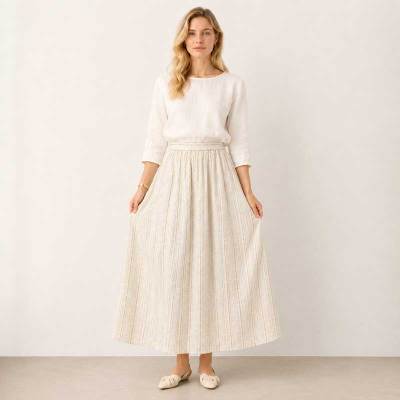
Linen vs Hemp: Which Natural Fabric Fits Your Lifestyle?
Linen vs Hemp: Which Natural Fabric Fits Your Lifestyle?
Linen and hemp are the two "eco-fibres" shoppers most often confuse, and the honest answer is that they fit different lives. Linen — woven from flax — is the finer, smoother, softer fabric, which makes it the better choice for the clothing you wear against your skin: shirts, dresses, trousers, and sets. Hemp is the tougher fibre — among the strongest in the natural world — which makes it excellent for heavy-use items like work jackets, aprons, and bags, but in pure form it usually feels coarser and stiffer in a garment. Both are low-input, low-water crops grown from plant stems, and both beat cotton and synthetics on several measures, which is where the confusion begins: people assume two "green" fibres are interchangeable. They are not. This guide compares linen and hemp on the properties that actually decide a purchase — feel, strength, comfort in real weather, sustainability, care, and cost — and closes with a decision guide mapped to real lifestyles. Every fibre fact here is stated in practical, commonly documented terms; where we give a range, it is a working description, not a laboratory guarantee. And for transparency: KOSSR makes 100% European flax linen, garment-washed, with composition and weight stated on every product page — so this comparison is written from the linen side of the counter, with hemp's genuine strengths given their due.
This guide is educational and written from how flax and hemp fibres actually behave. We do not sell hemp clothing, and we will not pretend linen wins every category — hemp's toughness is real, and the honest comparison below says so plainly.
The One-Minute Verdict on Linen vs Hemp
If you only read one paragraph, read this: for the clothing most people wear most days — shirts, dresses, trousers, blazers, sets, sleepwear — linen is the better fabric, because comfort is decided by fineness, softness, and breathability, and flax leads on all three. Hemp is the better fabric for a narrower but real category: anything that must survive hard use, where its exceptional strength and abrasion resistance earn their keep. For everything in between — and for the shopper who wants one natural-fibre wardrobe rather than a fabric museum — linen is the more versatile, more comfortable, and ultimately more wearable investment. This is the same conclusion our earlier full comparison of linen versus cotton reaches for a different rival: linen keeps winning the everyday-wear debate, but it never wins by pretending its opponents have no strengths.
- Choose linen if you want soft, breathable, beautiful clothing for daily life — and you value a fabric that gets softer with every wash.
- Choose hemp if you are buying for genuine hard use — workwear, aprons, heavy bags — where toughness matters more than hand feel.
- Choose either over synthetics for sustainability; both are natural, biodegradable, and far lighter on water and chemicals than polyester or conventional cotton.
In short: linen and hemp are cousins, not twins. Linen is the refined one that excels next to the skin; hemp is the rugged one that excels under strain. Your lifestyle decides which one you need — and this guide gives you the full comparison to make that call honestly.
Why Two "Green" Fabrics Come from Completely Different Plants
The confusion between linen and hemp starts with a genuine similarity: both are bast fibres, meaning they come from the stems of plants rather than from seed hairs like cotton or cocoons like silk. After harvest, the stems are retted — partially rotted or water-treated — to free the long structural fibres, which are then spun into yarn. But the plants themselves could hardly be more different, and those differences ripple into the fabric.
| Growing fact | Linen (flax) | Hemp |
|---|---|---|
| Source plant | Flax, Linum usitatissimum — a slender, elegant plant grown for fibre in cool maritime climates, most famously Normandy and Belgium in the European Flax region | Industrial hemp, Cannabis sativa — a fast, tall, dense plant cultivated for fibre on several continents |
| Growing window | A single spring-to-summer season, commonly cited at roughly 100 days from sowing to harvest | Fast — commonly cited at roughly 90 to 120 days, with dense planting that shades out weeds |
| Water and inputs | Largely rain-fed in European flax regions, with low pesticide use; a rotation crop that leaves the soil in good condition | Drought tolerant and low-input; its deep roots improve soil structure for the next crop |
| Fibre location | Bast fibres along the flax stem, prized for fineness and length | Bast fibres along the hemp stalk, prized for strength and length |
| Processing reality | A mature, standardised supply chain — scutching, spinning, and finishing are established at industrial scale | A younger supply chain; spinning hemp fine enough for comfortable garments is technically demanding and less common |
The growing story sets expectations for the fabric: a crop that is refined by centuries of selection and infrastructure — flax — produces a refined textile; a crop that is still building its garment-grade supply chain — hemp — produces honest, tough textiles that are improving quickly. Neither story is a criticism; they simply explain why the two fabrics sit where they do today.
How Linen and Hemp Feel, Hang, and Age
Feel is where the two fibres separate most clearly, and it is the property you will notice first — and every day after. Flax produces some of the finest bast fibres in commercial textile use; fineness translates directly into smoothness, softness, and a supple hand. Hemp fibres are thicker and stiffer, which gives hemp its toughness and also its characteristic firmness against the skin.
| Property | Linen | Hemp |
|---|---|---|
| Initial hand feel | Smooth and dry with a crisp structure; garment-washed linen arrives already soft | Firm, sometimes rough at first wear, especially at collar and seams |
| Softening over time | Softens noticeably with each wash — the defining linen experience | Softens slowly with wear and washing, but rarely reaches linen's silkiness |
| Drape | Fluid and relaxed — fabric follows the body with natural movement | Stiffer and more structured — holds shape but hangs heavier |
| Surface | Fine, even weave with a subtle natural lustre | Visible slubs and coarser texture; characterful but less refined |
| Wrinkling | Wrinkles by nature; garment-washed linen creases softly and relaxes with an overnight hang | Wrinkles too, and creases can set harder in the coarser weave |
| Ageing character | Gets better — softer, more supple, more personal with years of wear | Stays sturdy; wears in rather than wears soft, gaining a broken-in firmness |
The honest detail behind the "linen gets softer" claim is worth understanding, because it is structural rather than marketing: flax's fine fibres flex and relax with washing, while the garment-washed finish we use at KOSSR pre-softens and pre-shrinks the fabric so it arrives already comfortable rather than after a season of breaking in. Our fabric guide on what linen fabric feels like covers the mechanism in depth; the short version is that fine flax fibres plus regular washing equal increasing softness, and garment washing simply starts that process before you buy. Hemp's softening story is slower: it does break in with wear, but the destination is a sturdy, relaxed firmness — comfortable in its own way, never silky.
Strength: Hemp's Home Turf, and Linen's Honest Answer
If hemp has an uncontested victory in this comparison, it is strength. Hemp is among the strongest natural fibres used in textiles, with tenacity and abrasion resistance that suit punishing use — the reason it has a centuries-long history in rope, sailcloth, and canvas, materials where failure is not an option. In clothing, that strength shows up as real durability in workwear, aprons, heavy trousers, and bags that take daily abuse.
Linen's honest answer is that it is stronger than most people assume. Flax fibre is notably strong for its weight, and it actually gains strength when wet — a property cotton does not share, and one reason linen was historically the fabric of sails and work shirts before synthetics arrived. A well-made linen garment, washed cool and air-dried, serves for years; our FAQ on linen durability explains what shortens or extends that life. The difference is a matter of degree and of use:
- Hemp is for genuine hard use. If your clothes meet abrasion, tools, and rough surfaces daily, hemp's toughness is a real feature, not a marketing word.
- Linen is durable enough for real life. For office days, city commutes, travel, and social life, linen's durability comfortably matches how people actually wear clothes.
- Construction beats fibre in practice. In both fabrics, seams, buttons, and zippers fail long before the cloth. A well-constructed linen shirt outlasts a poorly sewn hemp shirt every time — fibre strength is only one variable in longevity.
The honest framing: hemp is the tougher fibre, and linen is durable enough for normal life. Unless your wardrobe fights for a living, choosing linen is not the durability compromise the marketing comparisons imply.
Comfort in Real Life: Heat, Humidity, and Eight-Hour Days
Both fibres are breathable, moisture-wicking, and naturally antibacterial enough to stay fresh — which puts both far ahead of synthetics in the wear test. The difference is delivery. Linen's hollow flax fibres channel heat and humidity away from the skin and feel dry and cool even in humid heat, which is why linen is the classic hot-weather fabric — covered in detail in our FAQ on linen for hot weather. Hemp breathes and wicks too, but its coarser surface and heavier drape change the experience: less cool to the touch at the start of a hot day, and stiffer against the skin by hour six.
| Real-life situation | Linen | Hemp |
|---|---|---|
| Hot, humid summer day | Excellent — dry, cool hand; fast moisture movement | Good — breathes, but heavier and coarser next to the skin |
| Eight-hour office day | Excellent — smooth under layers, comfortable seated for hours | Acceptable — firm texture and stiff collar can irritate by afternoon |
| Outdoor physical work | Good for moderate activity; not built for heavy abrasion | Excellent — the strength advantage pays off daily |
| Sensitive skin | Excellent — fine fibres with low irritation after garment washing | Often too coarse, especially in the first season |
| Travel and all-day wear | Excellent — light, packable, dries fast, stays fresh | Good — tough and durable, but heavier and stiffer on long days |
The pattern is consistent: hemp's advantages are situational, while linen's advantages are the ones you feel every hour of an ordinary day. For the person who wants one fabric that works from a summer afternoon through a layered autumn day — the same all-day logic behind moving a linen wardrobe from summer to fall — linen's sustained comfort is the decisive factor.
The Sustainability Story, Without the Hype
Both linen and hemp belong to a small group of genuinely low-impact textile crops, and both deserve more credit than they receive — as does an honest account of their limits. The comparison has three acts:
The growing season: hemp's small advantage
Hemp's case is strong on paper: fast growth in roughly 90 to 120 days, a dense canopy that suppresses weeds without herbicides, drought tolerance, and deep roots that improve soil structure for the next rotation. Flax is not far behind — European flax, including the fibre in KOSSR's garments, is grown largely rain-fed in cool maritime regions and is itself a soil-improving rotation crop. Our FAQ on linen's water use versus other fabrics gives the flax side of the ledger.
Processing and supply chain: linen's practical lead
Both fibres must be retted, scutched, and spun, and processing energy is where the "green crop" story gets complicated. Hemp's finer garment yarns are harder to spin, which can raise the energy and cost of producing soft hemp cloth. Linen benefits from a mature, standardised supply chain with verifiable provenance — European Flax certification, OEKO-TEX testing, and long-established relationships from field to fabric — which is a transparency advantage an honest shopper can actually use.
Verification: the difference nobody talks about
The environmental claim you can verify beats the one you cannot. Linen's certifications and supply chain make its story checkable; hemp's younger garment supply chain makes "sustainable hemp" claims harder to trace to a specific field or mill. The same verification standard applies to the most familiar fabric rivalry of all — linen versus cotton for the environment — where flax's rain-fed growing and certifiable supply chain make the claim easier to check than most.
The honest bottom line on sustainability: hemp grows marginally "greener", and linen verifies more easily — over a full lifecycle the two are close enough that your choice should be decided by feel and use, not by green marketing. And in both cases, the most sustainable garment is the one you wear for years.
Washing and Care: What Actually Changes Day to Day
Care routines for the two fibres are closer than their personalities suggest, but two practical differences matter in weekly life:
- The wash cycle is nearly identical. Machine wash at 30°C or below on a gentle cycle, mild detergent, no bleach, air-dry away from heat. The full routine for washing linen clothing applies to hemp with almost no changes.
- Hemp can dry board-stiff. Line-dried pure hemp often comes off the line stiff and needs wear or steaming to relax. Garment-washed linen air-dries soft, because the pre-wash finish has already relaxed the fibre.
- Both wrinkle — and both recover. Pretending either is wrinkle-free is dishonest. Garment-washed linen creases softly and sheds most wrinkles overnight on a hanger; hemp creases can set harder in coarse weaves, which means more steaming.
- Colour and finish behave differently. Linen takes deep, even dyeing and holds colour well when washed cool; hemp's coarser fibre takes colour with a more muted, earthy result — beautiful, but different from what linen offers in rich autumn tones.
If low-effort care matters to you — and it should — garment-washed linen is the easier fabric to live with week to week, because it arrives soft and stays soft without special handling.
Cost: What You Are Actually Paying For
Both linen and hemp cost more than mainstream cotton and synthetic equivalents, and the reasons overlap: smaller volumes, specialised processing, and honest production. Between the two, fine hemp clothing is often the pricier of the pair — not because hemp farmers charge more, but because spinning hemp fine enough for comfortable garments is technically harder and less common than spinning flax. The premium "soft hemp" pieces you see from specialist brands reflect real engineering, and the price reflects it.
Linen pricing sits on a mature supply chain: European flax farming, established spinning, and standardised garment-washed finishing mean good linen is expensive but predictable, and the value is easy to verify — composition, weight, and finish are stated directly on each product page. This is the practical difference shoppers feel at the till: at a similar price, garment-washed 100% linen from an established supply chain is usually the safer, softer, longer-wearing buy. The full breakdown of where linen's price comes from is in our guide to why linen clothing costs more — and the same logic of scale and processing applies, with interest, to fine hemp.
Linen-Hemp Blends: When Mixing Makes Sense
Before you choose a side, know that many of the best garments sidestep the argument entirely: linen-hemp blends combine flax's softness and drape with hemp's strength, and at their best they offer a genuine middle path. A typical blend might be 55% linen and 45% hemp, or 70/30 in either direction, and the character of the fabric follows the dominant fibre.
- Linen-dominant blends (60-70% linen) keep most of linen's softness and drape while adding a firmer, more durable structure — a good choice for trousers and jackets that see heavy wear.
- Hemp-dominant blends (60-70% hemp) prioritise toughness while the linen content softens the hand and improves drape — sensible for workwear you still want to look good in.
- Check the honest label. Composition percentages, fibre origin, and finishing should be stated plainly. If a "hemp" garment hides a majority of polyester, it is a synthetic garment wearing a green costume — the same test we recommend for any linen blend in our guide to 100% linen versus linen blends.
Blends are the pragmatic answer for buyers who want both personalities. For our part, KOSSR chooses 100% European flax for the full collection because a single, verifiable, soft-wearing fibre is the clearest promise we can make — but a well-made linen-hemp blend is a genuinely reasonable alternative, and honesty requires saying so.
Which Fabric Fits Your Lifestyle? A Decision Guide
Enough theory — here is the practical decision table. Find the row that sounds like your life:
| Your lifestyle or priority | Choose | Why |
|---|---|---|
| Office work, dinners, city life | Linen | Softness, drape, and all-day comfort; hemp reads casual and wears firm |
| Hot, humid summers | Linen | Finer fibres feel cooler and drier against the skin in humidity |
| Construction, workshop, gardening | Hemp | Exceptional strength and abrasion resistance under hard daily use |
| Sensitive skin | Linen | Fine, smooth fibres with low irritation; hemp is often too coarse at first |
| Sustainability-first shopping | Either, verified | Both are low-impact; check fibre origin and certification rather than trusting a label |
| Travel-heavy, pack-light wardrobe | Linen | Lighter, packable, quick-drying, and fresh-looking on arrival |
| Hard-wearing everyday basics | Linen or a linen-hemp blend | Pure linen for softness; a linen-dominant blend for extra toughness |
Read the table honestly and you will notice something: for most rows, most people, most weeks — the answer is linen. Hemp claims the rows where strength is the job, and it wins those rows decisively. That is not marketing bias; it is the reality of how the two fibres perform in ordinary life. If you still feel torn, run the three-question test before you buy:
- Where will this garment be worn? If it sits next to your skin for hours — at a desk, at dinner, on a commute — softness decides comfort, and linen wins.
- What will this garment survive? If it faces abrasion, tools, or rough outdoor work weekly, hemp's strength is the feature you are actually paying for.
- Which will you still wear in three years? Garments are only sustainable if they are worn. Choose the fabric whose feel and look you will still love after fifty washes — for most people, that is linen.
Frequently Asked Questions
Is hemp softer than linen?
Rarely, at equal quality. Linen's flax fibres are finer and smoother, and garment-washed linen arrives soft; hemp fibres are thicker and stiffer, so pure hemp starts out firmer and softens more slowly. Modern "cottonised" hemp is much softer than older hemp, but fine linen still leads on hand feel.
Is hemp more sustainable than linen?
Marginally, in the growing season — hemp grows faster, suppresses weeds, and tolerates drought. But linen's European flax grows largely rain-fed, and linen's mature, certifiable supply chain makes its claims easier to verify. Over a full lifecycle, the two are close enough that use and feel should decide your choice.
Does hemp clothing last longer than linen?
In hard-use categories, yes — hemp's strength and abrasion resistance are exceptional. In normal clothing use, well-made linen lasts for years with proper care. Construction quality, seams, and how you wash the garment usually matter more than the fibre choice.
Is hemp good for summer like linen?
Hemp is breathable and wearable in summer, but it is not as cool against the skin as linen: the coarser fibre and heavier drape trap more heat in humid weather. Linen remains the better hot-weather fabric, which is why it has held that reputation for centuries.
Why is hemp clothing so expensive?
Fine hemp is difficult to spin — producing yarn soft enough for comfortable garments takes specialised processing at smaller scale than flax, and the younger supply chain adds cost. As hemp processing scales up, prices are coming down, but fine hemp still typically costs as much as or more than premium linen.
Are linen-hemp blends worth buying?
Yes, when the blend is honest and the dominant fibre matches your need: linen-dominant blends add toughness while keeping softness; hemp-dominant blends soften hemp's hand. Read the composition label and avoid blends that hide synthetics under a "natural" name.
The Bottom Line on Linen vs Hemp
Linen and hemp are both exceptional natural fibres — low-impact to grow, breathable to wear, and biodegradable at the end of their long lives. They are not interchangeable. Linen is the finer, softer, more versatile fabric, and it is the better choice for the clothing most people wear most days: shirts, dresses, trousers, blazers, and sets that feel good from the first wear and better every season after. Hemp is the stronger fibre, and it is the honest choice for genuine hard use, where toughness outranks softness. For the vast majority of wardrobes, the answer to "linen or hemp?" is linen — which is precisely the fabric KOSSR makes: 100% European flax, garment-washed for softness, with composition, weight, and finish stated on every product page so the promise is verifiable, not decorative.
Experience the Fabric That Wins on Feel
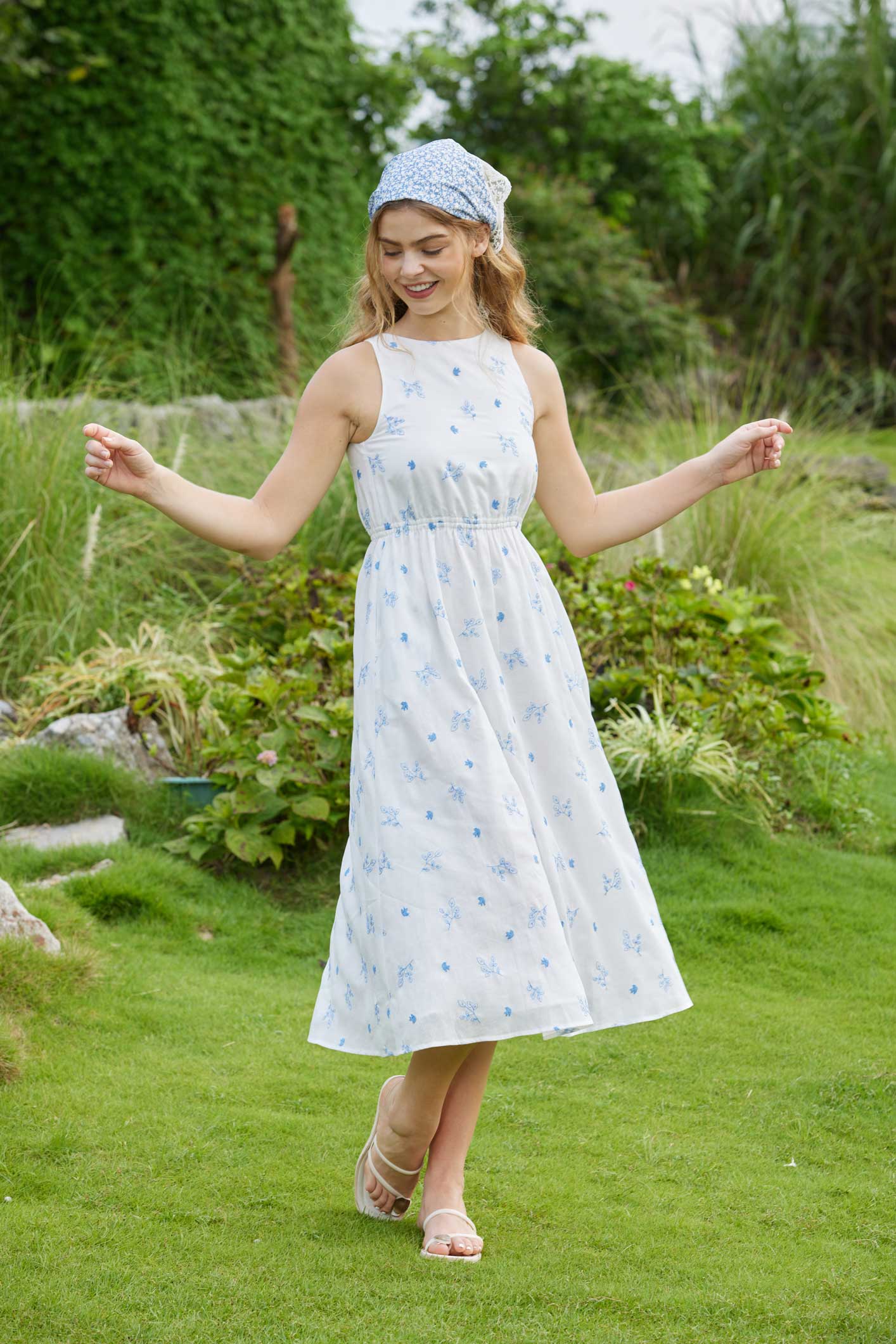
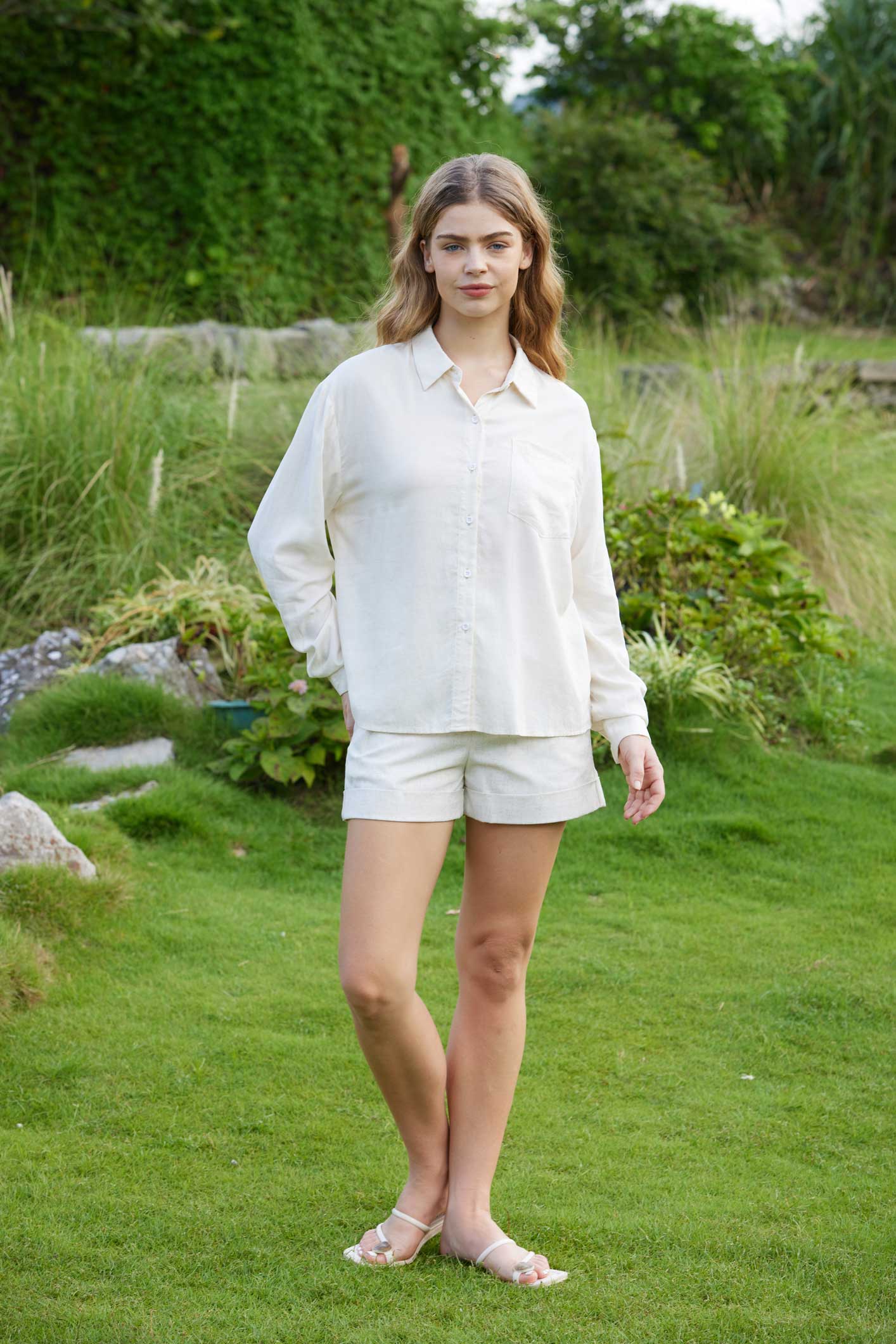
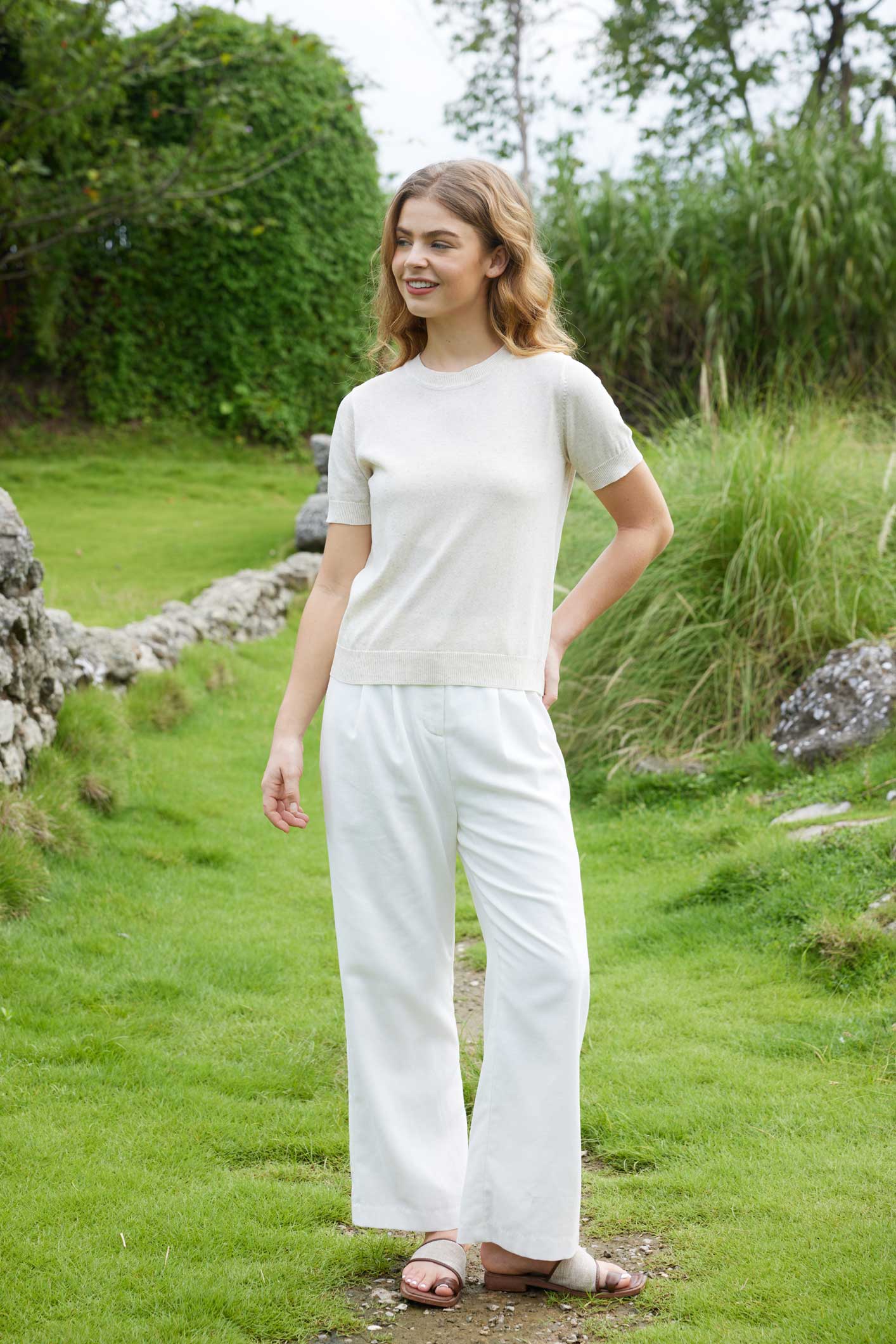
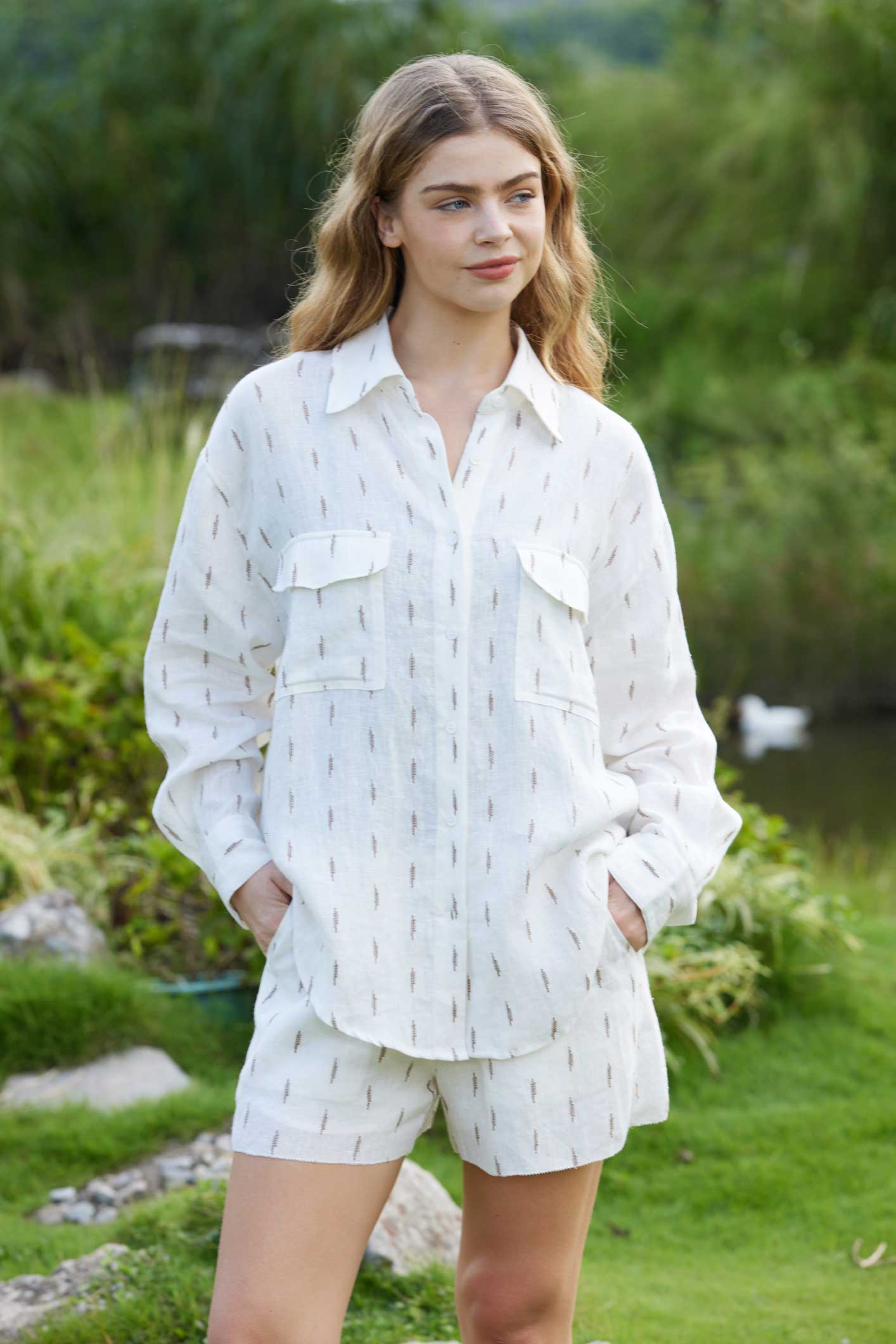
Browse the KOSSR collection of 100% European flax, garment-washed linen — tops, pants, sets, and outerwear in natural and seasonal tones — or contact us with any question about fabric, care, or fit before you order.
Browse linen tops · Browse linen pants · Browse linen sets · Browse all linen clothing · Ask us a question