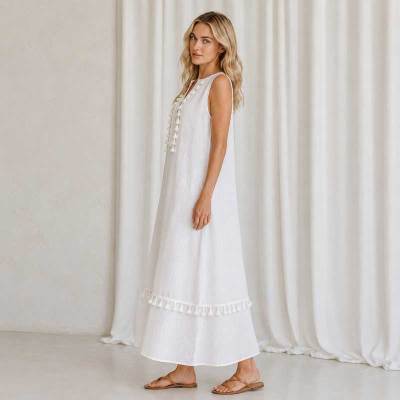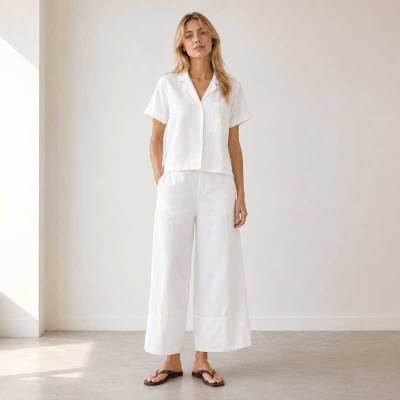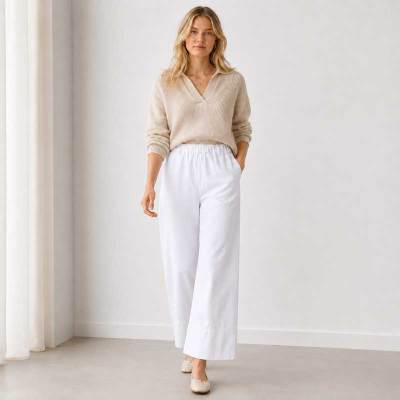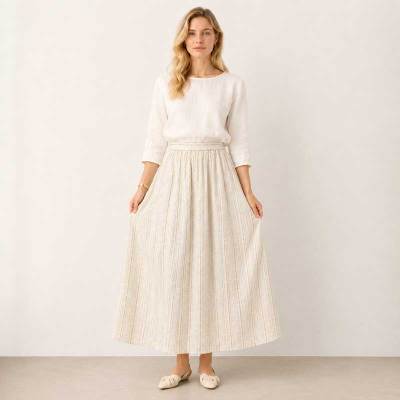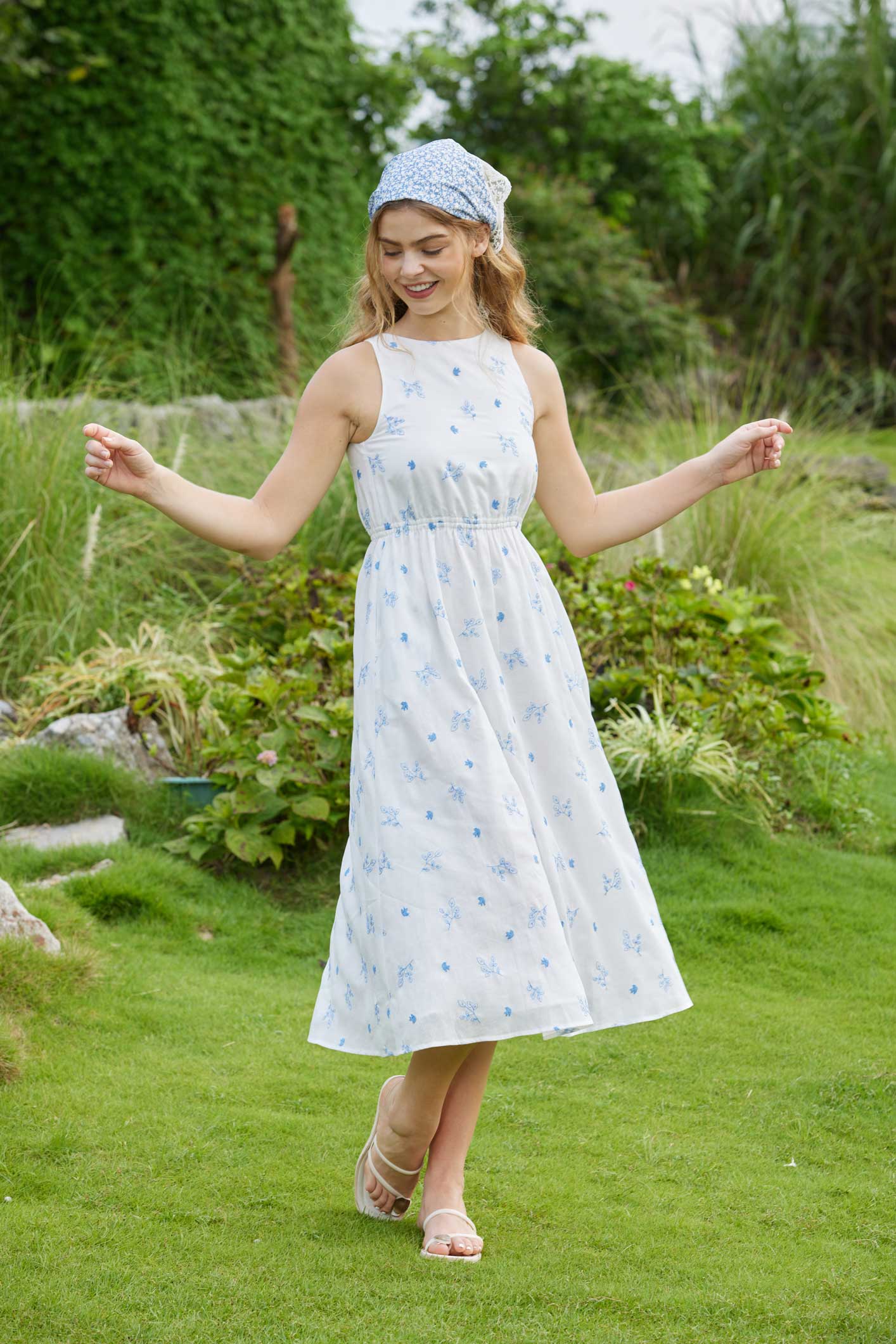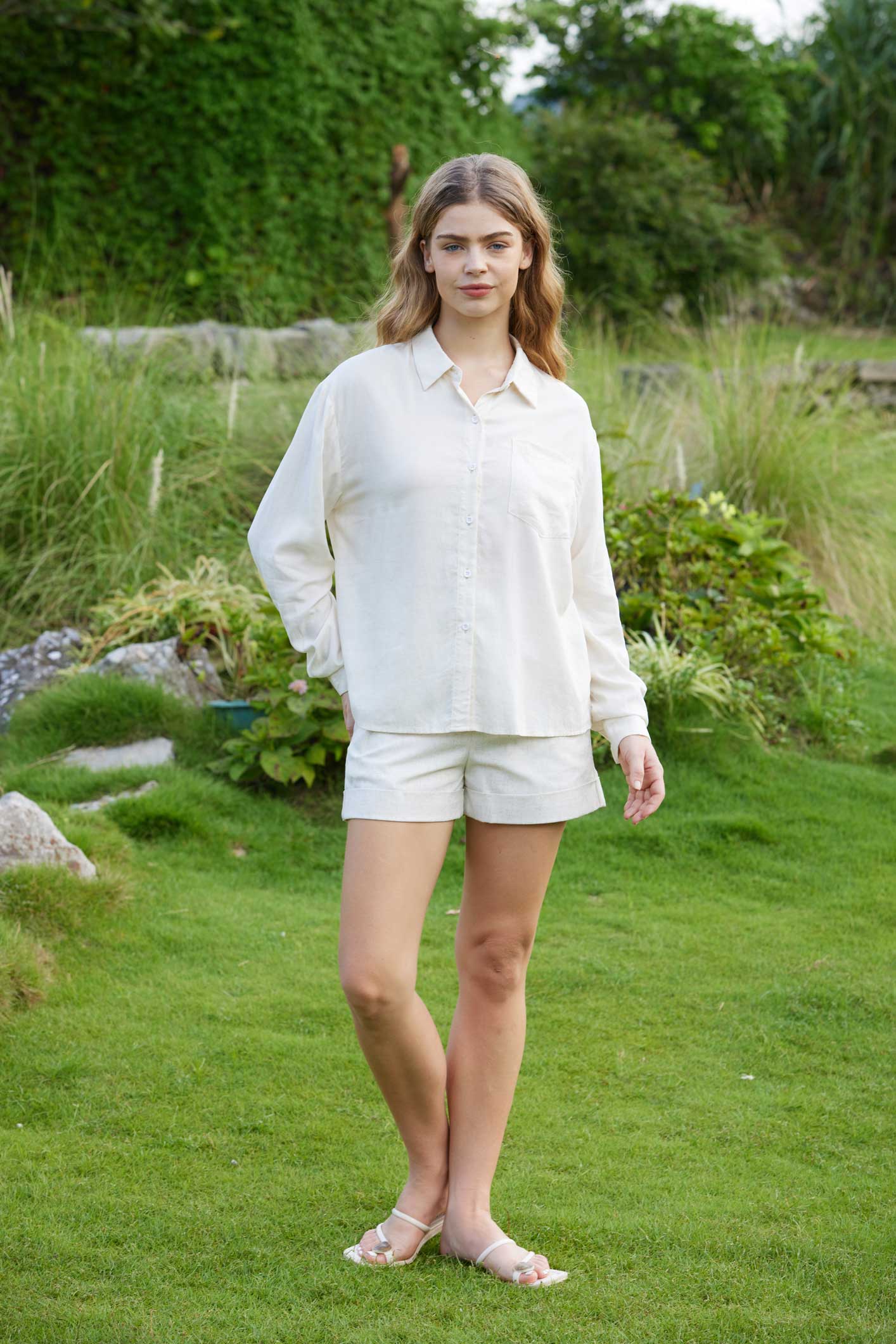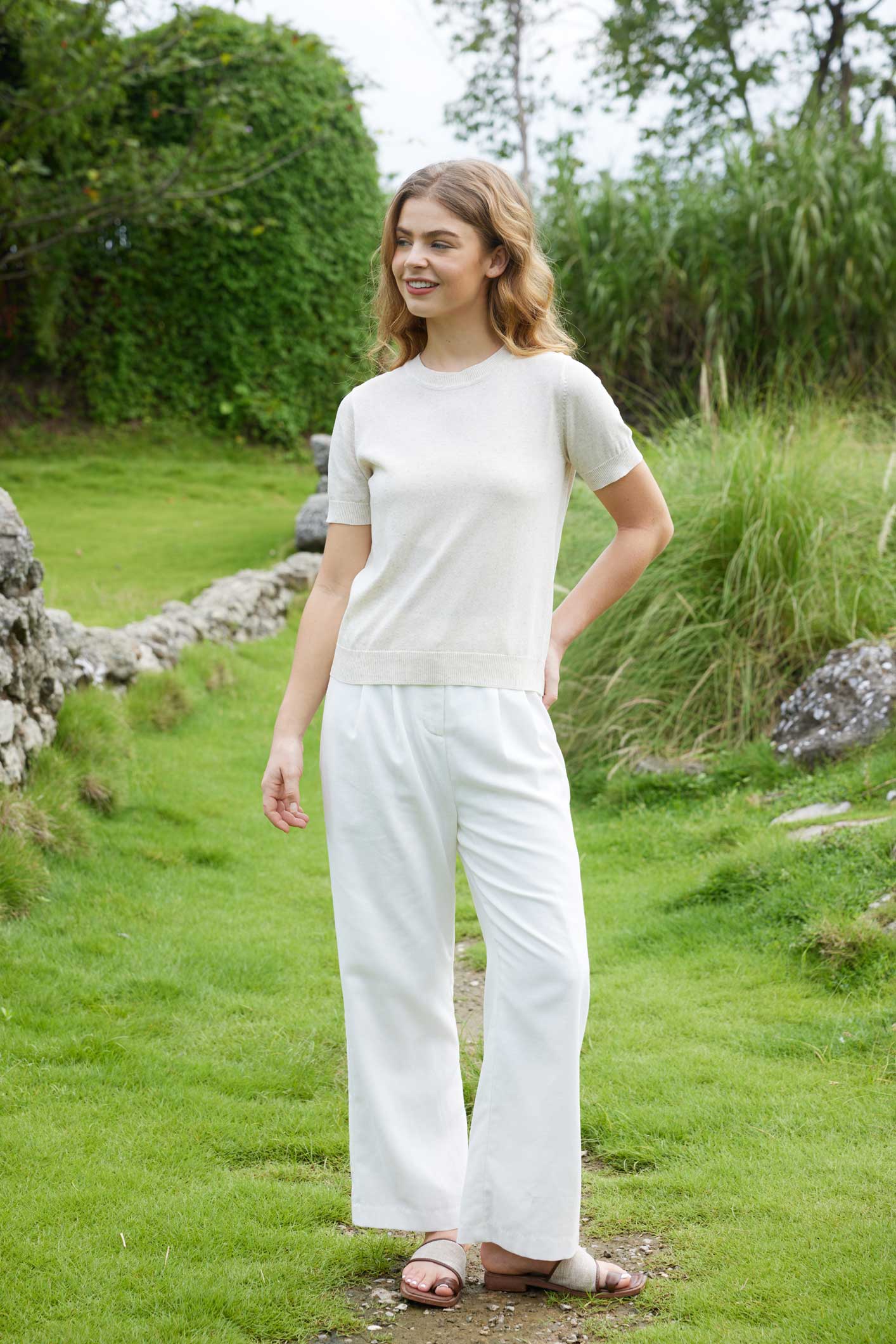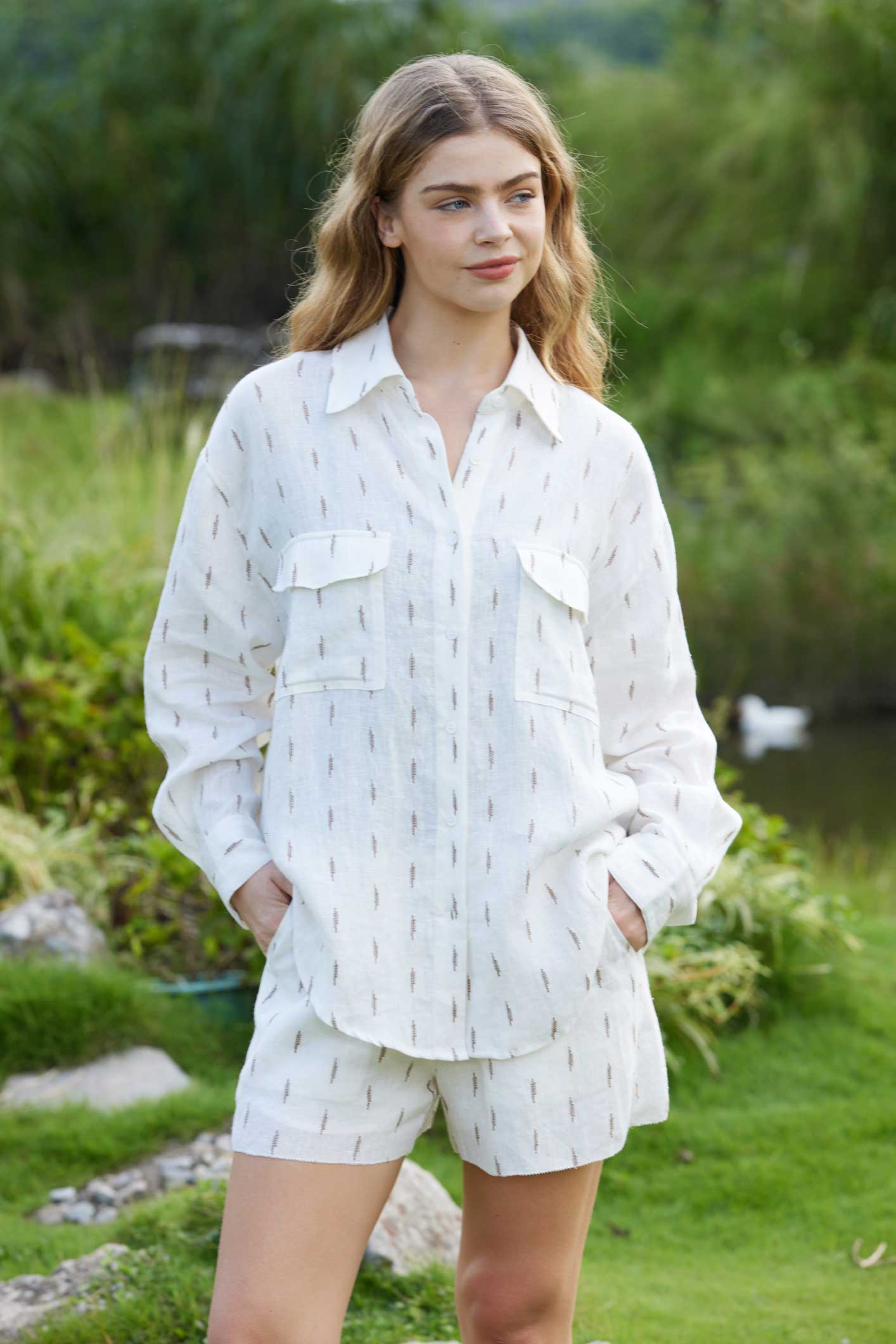
Is Linen Clothing Worth Buying?
Is Linen Clothing Worth Buying? A Practical Guide for Real Shoppers
If you have been browsing summer wardrobes or sustainable fashion content, you have likely seen linen everywhere — linen dresses, linen shirts, linen pants, linen sets. The question is not whether linen looks good in styled photos, but whether it actually delivers value for the price you pay. As a natural fabric made from European flax, linen offers genuine advantages over synthetic fabrics and even cotton in several key areas. But it also has trade-offs that every buyer should understand before spending their money. This guide breaks down the real cost, comfort, durability, sustainability, and versatility of linen clothing to help you decide if linen is worth buying for your wardrobe.
What Makes Linen Different from Other Fabrics?
Before evaluating whether linen is worth it, you need to understand what you are actually getting. Linen is made from the fibres of the flax plant (Linum usitatissimum), a crop that has been cultivated for textile use for over 6,000 years. Unlike cotton, which grows in warm climates and requires heavy irrigation, flax thrives in temperate European regions with abundant rainfall. The fibres are long, strong, and naturally absorbent, giving linen its distinctive texture and performance characteristics.
Price: Why Does Linen Cost More?
The first thing most shoppers notice is that linen clothing costs more than cotton or synthetic alternatives. A linen dress from KOSSR typically ranges from $60 to $120, while a comparable cotton dress might cost $30 to $60. Is the premium justified?
The answer lies in the production process. Flax is a labour-intensive crop. Unlike cotton, which can be mechanically harvested and processed at scale, flax requires careful harvesting, retting (a controlled decomposition process), scutching, and spinning that cannot be fully automated to the same degree. Here is a breakdown of why linen costs what it does:
- Lower crop yields: Flax produces 1.2–1.5 tonnes of fibre per hectare, compared to cotton's 0.8–1.0 tonnes, but the processing yield is lower because only the long bast fibres are used for high-quality textile linen
- Manual harvesting elements: High-quality linen is often pulled rather than cut to preserve the full fibre length, which requires specialised equipment or manual labour
- Retting timing: The dew retting process depends on weather conditions and cannot be accelerated without sacrificing fibre quality
- Spinning complexity: Linen fibres are longer and stiffer than cotton fibres, requiring specialised spinning equipment that is slower and more expensive to operate
- Smaller production volume: Linen accounts for less than 1% of global textile fibre production, so it lacks the economies of scale that cotton and polyester benefit from
However, the cost per wear calculation changes dramatically when you factor in durability. A well-made linen garment from KOSSR can last 5–10 years with proper care, while a fast-fashion cotton top may need replacing after 10–15 washes. At $80 for a linen dress worn 30 times per year for 5 years, the cost per wear drops to approximately $0.53. A $40 cotton dress worn 20 times in one season before fading or losing shape costs $2.00 per wear. Over time, linen is often the more economical choice.
[IMAGE_PLACEHOLDER] img prompt: Cost-per-wear comparison chart showing linen vs cotton vs polyester over 5 years, minimal infographic style, warm beige and sage green colors, clean typography, educational lifestyle contentComfort: Does Linen Actually Feel Good to Wear?
Linen has a reputation for being stiff and scratchy, especially when new. This is partially true — raw linen can feel coarse compared to the soft, brushed finish of cotton. However, this changes dramatically after the first few washes.
When you buy linen from KOSSR, every garment is pre-washed to accelerate the softening process. Here is what you can expect:
- First wear: The fabric feels crisp and structured. It has a natural texture that many people find appealing, but it is not as soft as cotton
- After 3–5 washes: The fibres begin to relax. The fabric becomes noticeably softer while maintaining its structure
- After 10+ washes: Linen reaches its peak softness — a lived-in comfort that feels broken-in without losing its shape
The breathability of linen makes a significant difference in hot weather. At 30°C (86°F) or higher, linen keeps your skin temperature 2–3°C cooler than cotton or polyester. The hollow fibre structure allows heat to escape while the fabric's natural moisture-wicking properties keep sweat away from your skin. For anyone living in or travelling to warm climates, this comfort benefit alone can justify the investment.
Real experience from KOSSR customers: "I bought a linen dress for my trip to Greece in July. I wore it five days in a row. It was the only thing I packed that didn't feel sticky or heavy in 35°C heat. After three washes it got softer, and two years later it is still my go-to summer dress." — Sarah M., verified buyer
Durability: How Long Does Linen Clothing Last?
Linen is one of the most durable natural fabrics available. The flax fibre has a tensile strength of approximately 50–70 cN/tex, compared to cotton's 30–45 cN/tex. This means linen is roughly 2–3 times stronger than cotton of equivalent weight. In practical terms, this translates to:
- Less pilling: Linen fibres are long and smooth, so they resist the surface friction that causes pilling on cotton or synthetic blends
- Better shape retention: Linen does not stretch out of shape like cotton knit fabrics. It may stretch slightly with wear but returns to its original dimensions after washing
- Abrasion resistance: Linen can withstand repeated friction better than most other natural fibres, making it suitable for high-movement garments like pants and shirts
- Resistance to sunlight: Linen fibres are naturally UV-resistant and do not degrade quickly under sunlight, unlike some synthetic fabrics that become brittle with prolonged sun exposure
The one durability trade-off is that linen can be prone to creasing at stress points if the garment is too tight. This is why KOSSR designs linen pieces with a relaxed or tailored-straight fit rather than body-hugging silhouettes. Proper fit significantly extends the life of any linen garment.
Wrinkles: The Most Common Concern — and How to Handle It
Linen wrinkles. This is a fact of the fabric. The same hollow fibre structure that makes linen breathable and moisture-wicking also means it does not hold a crisp crease the way cotton or polyester does. For some buyers, this is a dealbreaker. For others, it is part of the appeal.
Here is a balanced look at linen wrinkles and what you can do about them:
- Linen wrinkles naturally and the creases are part of the fabric's aesthetic. Many people prefer the relaxed, lived-in look
- Wrinkling is most noticeable in tightly fitted cuts. Looser, relaxed silhouettes minimise visible creasing
- Steaming or ironing while the fabric is still damp removes most wrinkles. KOSSR recommends ironing linen on a medium-hot setting with steam
- Heavier weight linen (180–220 gsm) wrinkles less than lightweight linen (120–160 gsm). KOSSR uses medium-weight linen for most garments to balance comfort and wrinkle resistance
- Wrinkle-release sprays work well on linen. A quick spritz and a gentle tug before hanging can smooth out most travel creases
If you absolutely cannot tolerate any wrinkling, linen may not be the right fabric for you. But if you are open to a fabric that looks relaxed and intentional rather than pressed and formal, linen's wrinkle tendency becomes a style feature rather than a flaw.
[IMAGE_PLACEHOLDER] img prompt: A woman in a relaxed cream linen shirt and pants walking through a sunlit garden, natural wrinkles visible on the fabric, candid lifestyle photography style, warm afternoon light, golden hour tones, casual elegant aestheticEnvironmental Value: What Buying Linen Means for the Planet
For shoppers who care about sustainability, linen offers one of the lowest environmental footprints of any textile fibre. The data is worth understanding because it directly affects whether linen is a worthwhile investment for ethically minded buyers.
| Environmental Factor | Linen (European Flax) | Conventional Cotton | Polyester |
|---|---|---|---|
| Water per kg of fibre | ~6.4 litres (rain-fed) | ~10,000 litres (irrigated) | ~0 litres (synthetic) |
| CO₂ per kg of fibre | ~1.1 kg | ~3.5–5.5 kg | ~5.5–7.0 kg |
| Pesticide use | Minimal to none | 16% of global insecticides | N/A (petroleum-based) |
| Biodegradability | Full (2–4 weeks) | Full (4–6 weeks) | 200+ years (microplastics) |
| Land efficiency | 1.2–1.5 t/ha | 0.8–1.0 t/ha | N/A |
| Microplastic shedding | None | None | ~700,000 fibres per wash |
Every KOSSR linen garment is made from 100% European flax. The flax is rain-fed, grown without irrigation, and processed in facilities that comply with EU environmental regulations. When you choose linen over polyester, you eliminate microplastic pollution from your wardrobe entirely. When you choose linen over conventional cotton, you save thousands of litres of water per garment.
Versatility: When Can You Actually Wear Linen?
One of the most common misconceptions about linen is that it is only suitable for beach vacations and hot summer days. In reality, linen is far more versatile than most shoppers realise. Here is when and where linen works well:
| Situation | Linen Suitability | Best Linen Pieces |
|---|---|---|
| Hot summer days (30°C+) | Excellent — keeps you 2–3°C cooler than cotton | Linen dresses, shorts, tank tops |
| Beach vacations | Excellent — dries fast, packs light, resists sand | Linen sets, maxi dresses, shirts |
| Smart casual office | Good — structured linen blazers and shirts work | Linen button-downs, tailored pants |
| Dinner or evening out | Good — dark linen dresses and jumpsuits look polished | Linen midi dresses, wrap dresses |
| Spring/autumn layering | Good — linen under a blazer or cardigan | Linen turtlenecks, long-sleeve shirts |
| Travel (any climate) | Excellent — packs small, resists odour, dries overnight | Linen sets, wrinkle-resistant dresses |
| Formal events | Limited — linen lacks the drape of silk or wool | Dark linen dresses for semi-formal occasions |
At KOSSR, we design our linen pieces to transition across occasions. A linen shirt dress can work for brunch, a flight, a casual meeting, or a beachside dinner depending on how you accessorise it. This versatility means a single linen garment can serve multiple wardrobe functions, increasing its value per wear.
Care: Is Linen Difficult to Maintain?
Linen requires slightly different care than cotton, but it is not difficult. Here is what you need to know:
- Washing: Machine wash in cold or warm water (30–40°C) on a gentle cycle. Use mild detergent. Avoid bleach and fabric softener
- Drying: Air drying is best. Hang or lay flat. If using a dryer, use low heat and remove while slightly damp to reduce wrinkles
- Ironing: Iron while still damp on a medium-hot setting with steam. Linen holds a pressed finish well
- Storage: Store linen in a cool, dry place. Linen breathes naturally and does not trap moisture, so it resists mildew better than cotton in storage
- Stain removal: Treat stains promptly. Linen's hollow fibres can absorb stains if left untreated
One advantage of linen over many other natural fibres is that it does not require dry cleaning. Every KOSSR linen garment can be machine washed at home, which reduces both cost and environmental impact over the lifetime of the garment.
Who Should Buy Linen Clothing?
Linen is not for everyone. But if you match any of these profiles, it is likely a worthwhile investment:
- Hot climate dwellers: If you live in or regularly visit places where summer temperatures exceed 30°C, linen's breathability will improve your quality of life significantly
- Travelers: Linen packs small, dries overnight, resists odour, and works across climates. One linen set can replace multiple synthetic outfits in a suitcase
- Sustainable shoppers: If you are trying to reduce your wardrobe's environmental impact, switching from cotton and polyester to linen is one of the most effective changes you can make
- Slow fashion advocates: Linen's durability means you buy fewer garments over time. A linen capsule wardrobe of 6–8 pieces can cover an entire season
- Sensitive skin: Linen is naturally hypoallergenic and does not trap dust mites, bacteria, or fungal spores
Linen may not be ideal if you prefer zero-wrinkle fabrics, need high-stretch performance wear, or are on a very tight budget where upfront cost is the only consideration.
Is linen worth buying if I live in a cold climate?
Yes, with some caveats. Linen can be layered under wool sweaters, cardigans, or blazers for transitional seasons. Heavy-weight linen (200+ gsm) provides warmth while still being breathable. However, for deep winter wear, wool or cashmere may be a better primary choice. Use linen for spring, summer, and autumn layering.
How does KOSSR linen compare to other linen brands?
KOSSR uses 100% European flax with a focus on mid-weight (180–200 gsm) fabrics that balance softness, structure, and wrinkle resistance. Unlike many fast-fashion linen brands that use lower-grade Chinese flax or linen-cotton blends, KOSSR garments are made from pure European flax with pre-washed finishing for immediate comfort. Our price point is mid-range — more accessible than heritage European brands but higher quality than mass-market alternatives sold on general ecommerce platforms.
Can I wear linen to work?
Yes, depending on your workplace dress code. For smart casual or business casual offices, a structured linen button-down shirt or tailored linen pants work well. For formal business attire, linen may be too casual unless paired with a blazer. Darker linen colours (navy, charcoal, black) look more formal than light tones.
Final Verdict: Is Linen Clothing Worth Buying?
After evaluating price, comfort, durability, versatility, environmental impact, and care requirements, the answer for most buyers is yes — linen is worth buying, provided you choose the right pieces for your lifestyle.
Here is the short version:
- Linen costs more upfront but delivers a lower cost per wear over time due to its durability
- Linen is significantly more comfortable than cotton or synthetic fabrics in hot weather
- Linen has the lowest environmental footprint of any mainstream textile fibre
- Linen wrinkles, but this is manageable and often desirable
- Linen is versatile enough for casual, travel, smart casual, and some semi-formal occasions
- Linen is machine washable and easy to care for with basic precautions
If you are looking for a natural, durable, comfortable fabric that supports a more sustainable wardrobe, linen is absolutely worth buying. At KOSSR, every linen piece is designed to be worn for years — not just for one season.
Ready to experience the difference? Explore KOSSR's collection of linen dresses, tops, pants, shirts, and sets — all made from 100% European flax with pre-washed softness and durable construction you can trust.
Related reading: Visit our blog for more guides on linen care, styling, and buying decisions. Have a specific question? Contact us — we are happy to help you choose the right linen pieces for your wardrobe.