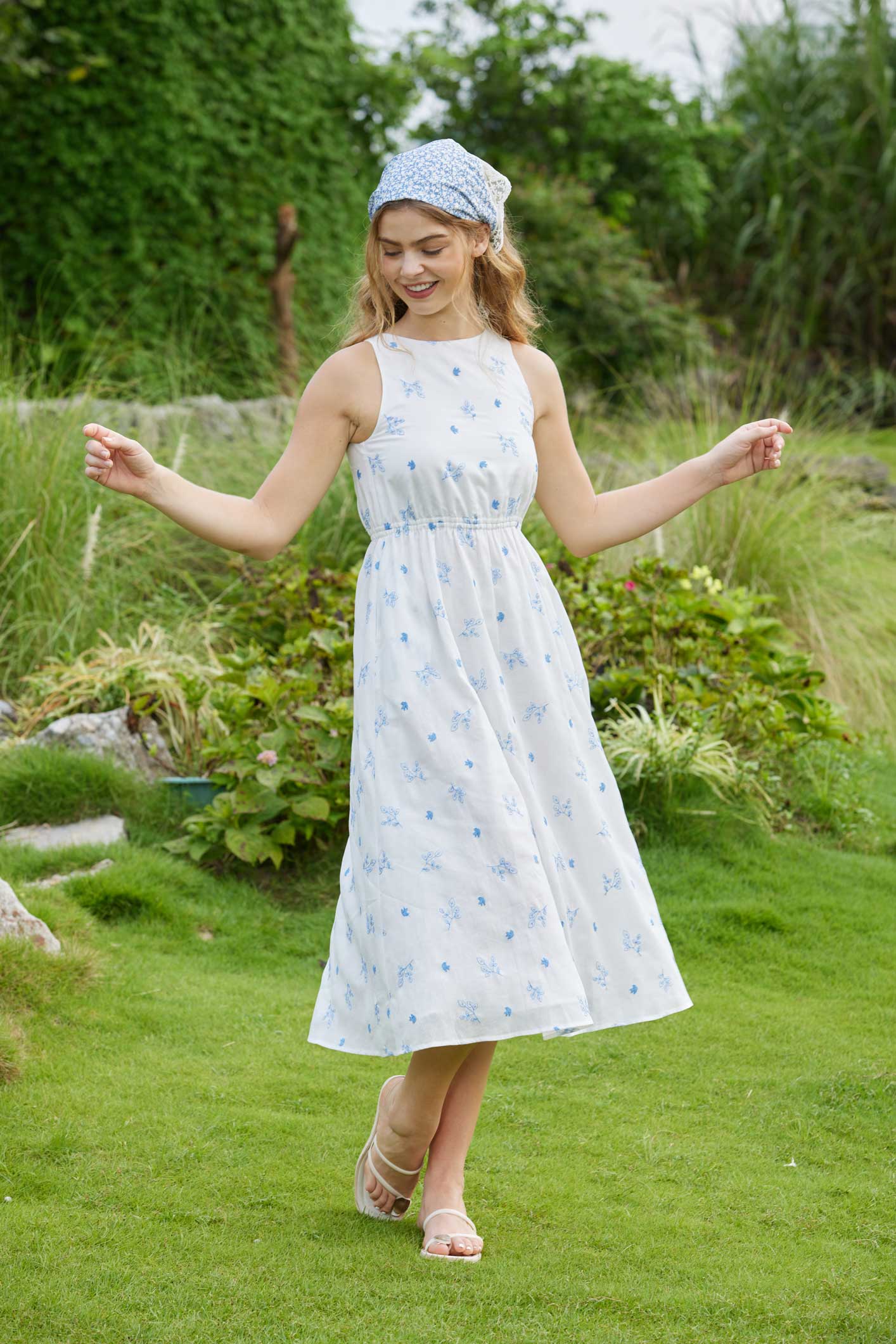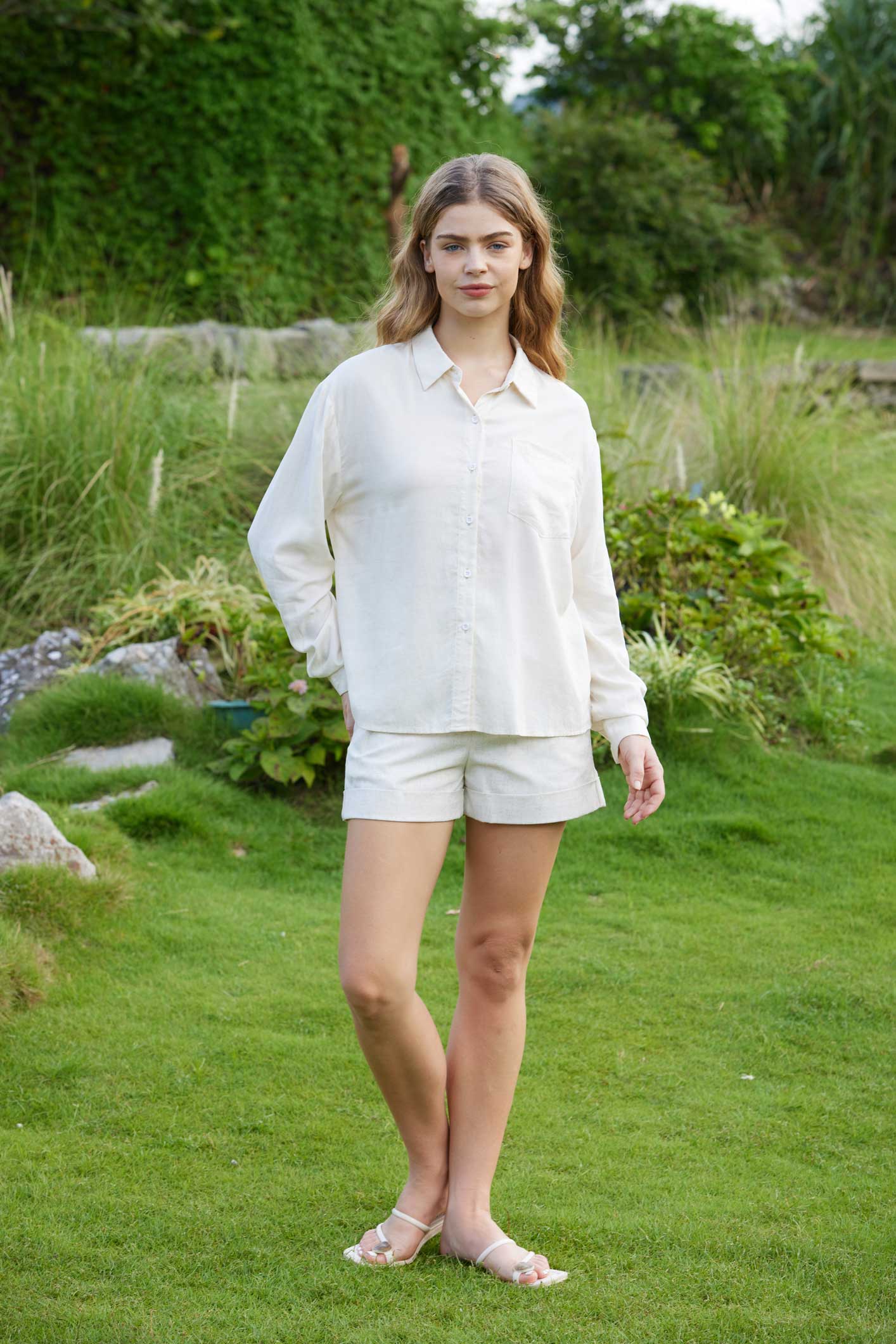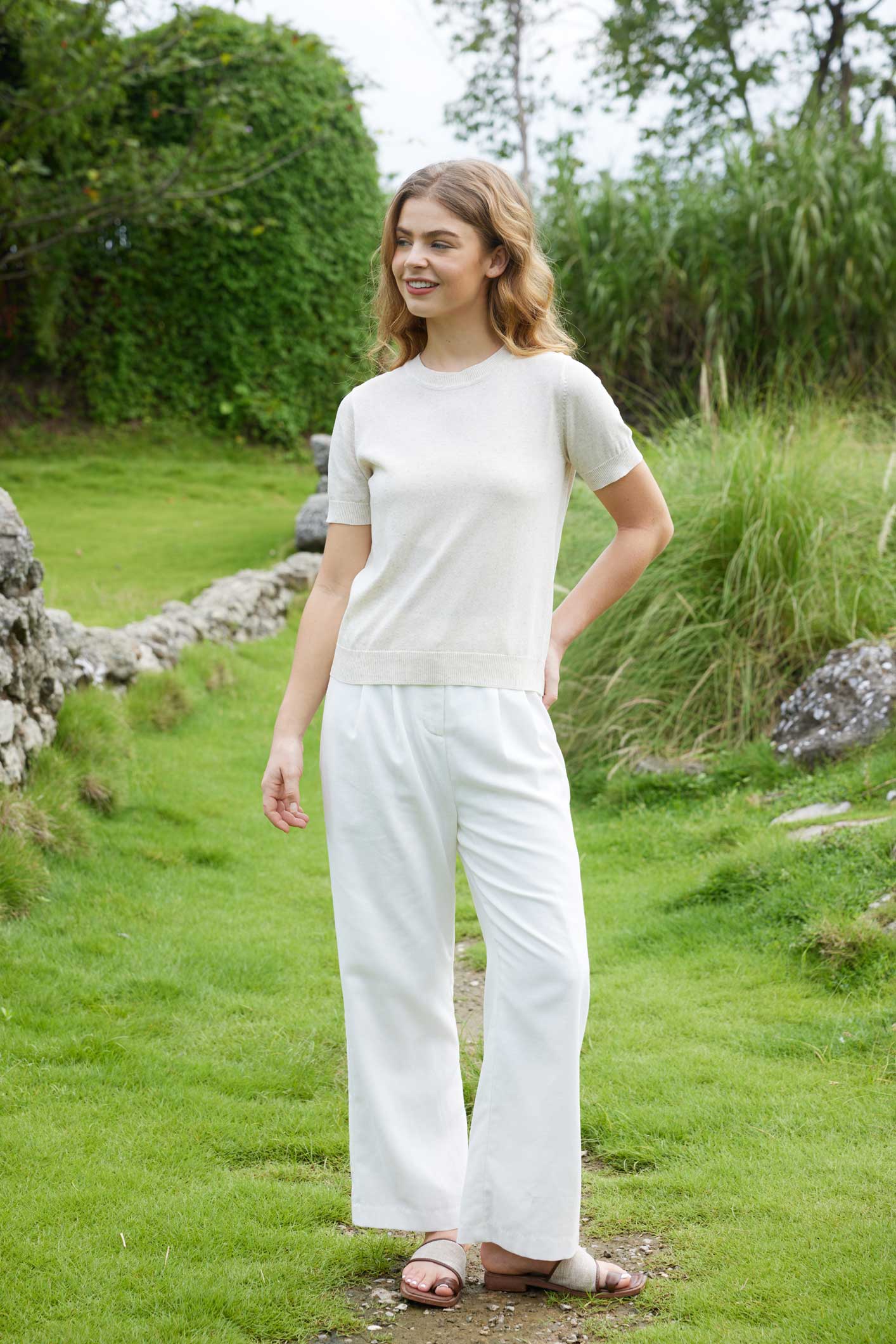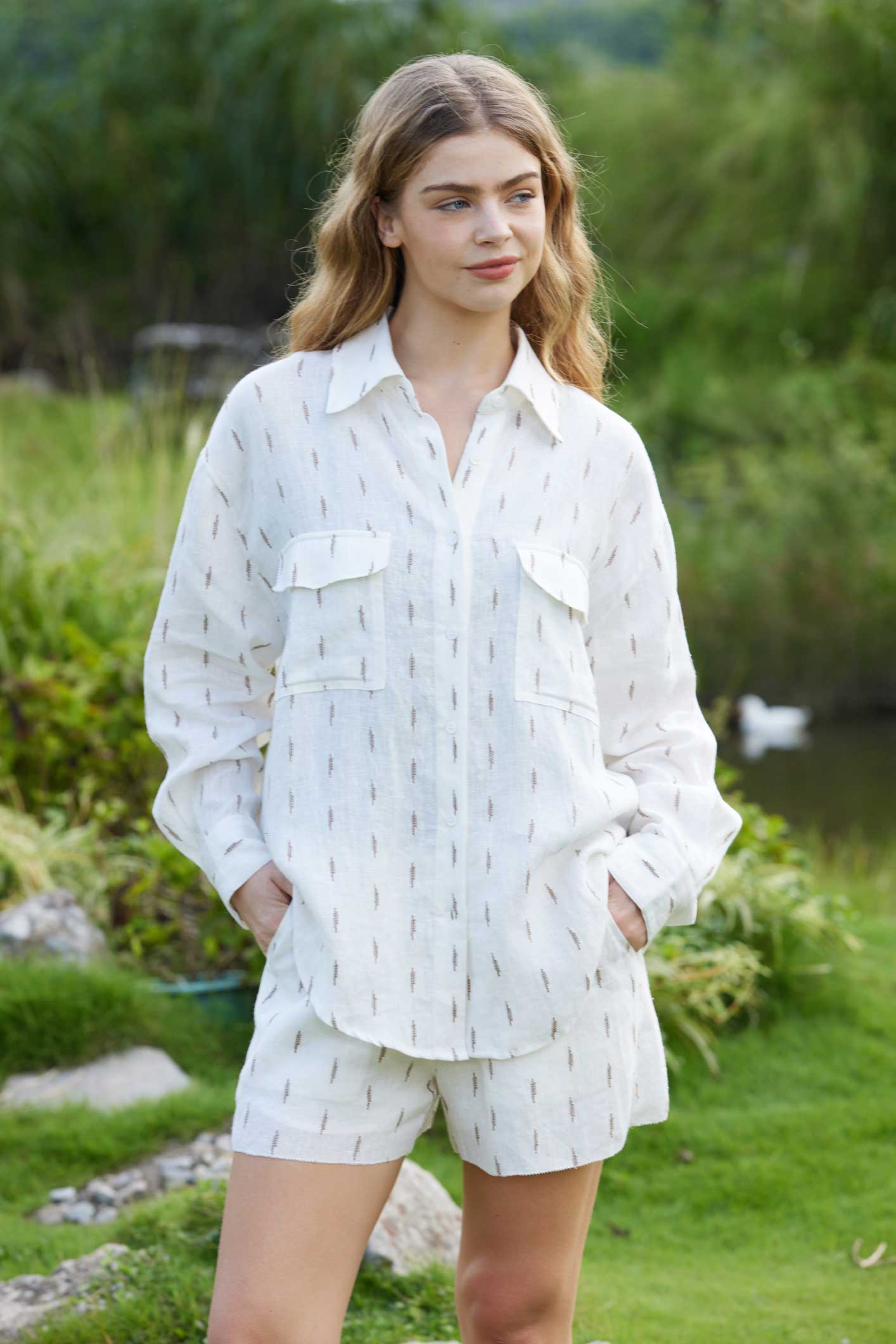
How to Choose Quality Linen Clothing
Buying Guide
Choosing quality linen clothing is not as simple as picking the softest fabric on the rack. Real quality in linen comes from the fiber source, weave density, fabric weight, finishing process, and garment construction 鈥?factors that most shoppers cannot see just by looking. This comprehensive guide will show you exactly what to look for, how to test linen quality with simple hands-on checks, and why KOSSR's 100% European linen stands apart from mass-market alternatives. Whether you are buying your first linen piece or adding to an existing collection, understanding these quality markers will help you invest in garments that look better, feel better, and last longer.
What You Will Learn
- 1. Understanding Linen Fiber Quality
- 2. Evaluating Weave and Weight
- 3. Fabric Finish and Feel
- 4. Garment Construction Quality
- 5. Certifications That Matter
- 6. How to Test Linen Quality Yourself
- 7. Price vs. Value: What to Expect
- 8. Common Low-Quality Linen Signs
- 9. Why KOSSR Linen Meets Quality Standards
1. Understanding Linen Fiber Quality
The foundation of any quality linen garment is the flax fiber itself. All linen comes from the flax plant (Linum usitatissimum), but the quality varies dramatically based on growing conditions, harvesting methods, and fiber processing.
Long-Staple vs. Short-Staple Flax
The most important quality indicator is fiber length. Long-staple flax fibers, typically harvested from European flax fields in France, Belgium, and the Netherlands, measure 40鈥?0 cm in length. These long fibers can be spun into smoother, stronger, and more uniform yarns. Short-staple flax, common in lower-cost linen from China or Eastern Europe, produces shorter 10鈥?5 cm fibers that create rougher, more irregular yarns with more fiber ends sticking out from the surface.
| Quality Factor | Premium European Flax | Standard / Lower Grade |
|---|---|---|
| Fiber Length | 40鈥?0 cm (long-staple) | 10鈥?5 cm (short-staple) |
| Yarn Uniformity | High 鈥?consistent thickness and strength | Low 鈥?visible thick and thin sections |
| Surface Smoothness | Smooth with minimal fiber ends | Rough with visible fiber ends |
| Durability | High 鈥?5鈥?0 years with proper care | Moderate 鈥?1鈥? years before thinning |
| Pilling Resistance | Excellent 鈥?minimal pilling | Moderate 鈥?visible pilling over time |
KOSSR sources 100% European flax from established mills in Normandy and Flanders, where generations of flax-growing expertise produce consistently long, strong fibers. This commitment to fiber quality is the single most important reason KOSSR linen garments maintain their beauty and structure for years.
Retting Method: Water-Retted vs. Dew-Retted
After harvesting, flax fibers must be separated from the woody stem through a process called retting. Dew-retting (field retting) is the traditional European method where harvested flax is laid in fields for 2鈥?0 weeks, allowing natural moisture and microorganisms to break down the pectin holding fibers to the stem. This produces the highest quality linen with the characteristic soft hand feel and natural luster. Water-retting or chemical retting, used in some mass-production contexts, can damage fiber structure and produce stiffer, lower-quality linen. KOSSR exclusively partners with mills using traditional dew-retting methods.
[IMAGE_PLACEHOLDER] img prompt: A flax field in Normandy, France at sunset, with tall blue-flowered flax plants swaying in the wind, wide landscape view, natural golden light, agricultural scenery
2. Evaluating Weave and Weight
Once the flax fiber is spun into yarn, the weave structure and fabric weight determine how the finished linen will look, feel, and perform.
Understanding Linen Weaves
The most common linen weave is plain weave 鈥?one yarn over, one yarn under 鈥?which creates the characteristic checkerboard pattern visible under close inspection. A quality plain weave should have uniform thread counts and consistent spacing. Irregular gaps, overly loose sections, or visible thin spots indicate poor weaving. KOSSR uses calibrated looms with consistent tension control, producing uniform weaves across every garment.
Fabric Weight: GSM Explained
Linen weight is measured in grams per square meter (GSM). For clothing, the typical ranges are:
| GSM Range | Weight Category | Characteristics | Recommended Garments |
|---|---|---|---|
| 120鈥?60 g/m虏 | Lightweight | Sheer, very breathable, delicate drape | Blouses, loose tunics, scarves |
| 160鈥?20 g/m虏 | Mid-Weight | Balanced structure and drape, classic linen feel | Dresses, shirts, pants, skirts |
| 220鈥?00 g/m虏 | Heavyweight | Sturdy, holds shape, substantial feel | Blazers, structured pants, jackets |
For most everyday linen clothing, the 160鈥?20 g/m虏 range is ideal. KOSSR's core collection uses approximately 180鈥?00 g/m虏 European linen, which provides enough structure for a polished silhouette while maintaining the airy breathability that linen is known for.
[IMAGE_PLACEHOLDER] img prompt: Close-up macro shot of a white linen fabric weave, showing the plain weave pattern with visible threads and natural slubs, soft natural lighting, textile detail photography
3. Fabric Finish and Feel
The finishing process transforms raw linen fabric into the garment you wear. Quality finishing makes the difference between stiff, scratchy linen and the soft, lived-in feel that linen lovers prize.
Pre-Washed vs. Raw Linen
Pre-washed (also called garment-washed or enzyme-washed) linen has been through a controlled washing process before cutting and sewing. This relaxes the fibers, reduces shrinkage to under 3%, and delivers a softer hand feel from the first wear. Raw or unwashed linen is stiffer, more prone to shrinking (up to 8鈥?0%), and requires multiple home washes before reaching optimal softness. All KOSSR linen garments are pre-washed, giving you that soft, broken-in feel from day one while the garment continues to improve with each wash.
How to Test Finish Quality
- Hand Feel Test: Rub the fabric between your thumb and fingers. Quality linen should feel smooth with a subtle texture 鈥?never rough, prickly, or plastic-coated.
- Light Test: Hold the fabric up to light. Quality linen shows an even, consistent weave pattern without large gaps or thin patches.
- Moisture Test: Place a drop of water on the fabric. Quality linen should absorb it within 3鈥? seconds. Slower absorption suggests chemical finishes or synthetic blend content.
- Wrinkle Test: Crush a handful of fabric for 5 seconds, then release. Real linen wrinkles naturally, but high-quality linen creates soft, uniform wrinkles rather than sharp, hard creases.
[IMAGE_PLACEHOLDER] img prompt: A person gently holding and feeling a piece of white linen fabric between their fingers, soft sunlight from a nearby window, close-up detail shot, warm neutral tones
4. Garment Construction Quality
Even the finest linen fabric can be ruined by poor construction. These are the markers of quality garment-making that separate KOSSR from budget linen brands.
Seam Construction
Quality linen garments use French seams or flat-felled seams, which encase raw edges inside the seam allowance. This prevents fraying 鈥?one of the most common failure points in linen clothing 鈥?and creates a clean, professional finish on the inside of the garment. Budget linen often uses overlocked or serged edges that can unravel after several washes. KOSSR uses reinforced French seams on all main garment seams.
Stitch Density
Count the stitches per inch (SPI) on visible seams. Quality linen garments have 10鈥?4 stitches per inch 鈥?enough to create strong, durable seams without perforating the fabric excessively. Lower SPI indicates rushed production and weaker seams. All KOSSR garments are sewn at 12 SPI with high-tensile polyester-core thread that matches the fabric's natural stretch.
Button and Fastener Quality
Quality linen uses natural or sustainable buttons 鈥?coconut shell, corozo nut, or mother-of-pearl 鈥?rather than plastic buttons that can crack or discolor. Buttonholes should be tightly stitched with no loose threads. KOSSR uses corozo nut buttons on all linen shirts and dresses, paired with reinforced buttonhole stitching.
Hem and Edge Finishing
Check the hem width 鈥?quality garments have hems at least 1.5 cm deep, stitched with consistent spacing. Loose threads, uneven hem widths, or puckered stitching at corners are warning signs of quality shortcuts.
Pattern Matching
On patterned or striped linen, check whether the pattern aligns at the side seams and shoulder seams. Quality garment makers match patterns across seams, which requires additional fabric and careful cutting. Mismatched patterns indicate cost-cutting.
Lining and Interfacing Quality
Quality linen garments use lightweight, breathable linings made from natural fibers such as cotton or Tencel that complement the breathability of linen rather than undermining it. Polyester linings trap heat and moisture against the skin, which defeats the purpose of wearing linen. Interfacing, the structural layer in collars, cuffs, and waistbands, should be soft and flexible in linen garments, not stiff or board-like. KOSSR uses cotton voile linings and soft knit interfacing that preserve the natural feel and breathability of linen.
5. Certifications That Matter
Several third-party certifications can help you verify linen quality and authenticity:
| Certification | What It Verifies | Why It Matters |
|---|---|---|
| OEKO-TEX Standard 100 | No harmful chemicals in the finished textile | Ensures the fabric is safe for direct skin contact 鈥?important for sensitive skin |
| EU Ecolabel | Environmental standards across the product lifecycle | Covers water use, emissions, and fiber sourcing from cultivation to finished fabric |
| Masters of Linen (alliance) | European-origin flax, traceable supply chain | Certifies the linen is made from European flax with full traceability from field to fabric |
| Global Organic Textile Standard (GOTS) | Organic fiber content and responsible manufacturing | Applicable only for organic linen, which requires certified organic flax farming |
KOSSR linen is OEKO-TEX Standard 100 certified and sourced from Masters of Linen partner mills. These certifications provide independent verification of both quality and responsible production.
6. How to Test Linen Quality Yourself
When you receive a linen garment, you can perform these simple tests at home to evaluate its quality:
The Feel Test
Close your eyes and run the fabric across your cheek 鈥?the most sensitive skin area. Quality linen should feel smooth and pleasant, never rough or scratchy. Any prickliness indicates short fibers or chemical residues.
The Light Test
Hold a single layer against a bright light. Look for uniform thread density. Patchy light transmission means irregular weaving. Quality linen should show an even, consistent gossamer pattern.
The Burn Test
If you have a fabric scrap, burn a small thread. Real linen (flax) burns with a smell like burning paper or leaves, leaving fine grey ash. Synthetic blends melt, smell like plastic, and leave hard beads. Cotton burns like linen but the ash is darker.
The Wrinkle Recovery Test
Twist a handful of fabric tightly, hold for 10 seconds, then release. Quality linen has spring-back 鈥?it recovers partially within seconds. Poor quality linen stays deeply creased or, conversely, shows almost no wrinkles (suggesting synthetic content).
The Label Check
Read the care label. Quality linen says "100% linen" not "linen blend" or "linen-like." The label should indicate country of origin 鈥?European flax is a strong quality indicator. KOSSR labels clearly state "100% European Linen" with washing instructions.
7. Price vs. Value: What to Expect
Quality linen costs more to produce than cotton or synthetic alternatives, and understanding the price structure helps you make informed buying decisions.
When you understand the actual cost components of quality linen, the price differences between brands become much clearer. Many shoppers compare linen garments solely by price tag without considering that a $120 dress made from European flax with French seams will outlast three $40 dresses made from short-staple fiber with overlocked edges. The cost-per-wear of quality linen typically drops below $1 within the first two years of regular wear, while budget linen often requires replacement within one season.
Another hidden factor is fabric yield. Quality garment makers allow 10-15 percent extra fabric for pattern matching, grain alignment, and generous seam allowances. Budget production maximizes fabric utilization by cutting patterns as tightly as possible, which saves material but compromises fit, drape, and durability. A KOSSR dress typically uses approximately 2.3 to 2.8 meters of fabric depending on the design, while a comparable budget dress might use only 1.6 to 1.9 meters for the same silhouette.
What Drives Linen Pricing
- Fiber Cost: European long-staple flax costs 3鈥? times more per kilogram than standard cotton. The limited growing region (primarily France, Belgium, Netherlands) and labor-intensive harvesting contribute to higher raw material costs.
- Weaving and Finishing: Quality mills in Europe charge premium rates for controlled-tension weaving, enzyme washing, and quality inspection. European linen fabric typically costs 15鈥?0 EUR per meter wholesale, compared to 5鈥?0 EUR for mass-market Asian linen.
- Labor and Construction: Garments sewn with French seams, reinforced buttonholes, and exact pattern matching require skilled labor that costs significantly more than fast-fashion production.
- Certification and Traceability: OEKO-TEX, Masters of Linen, and supply chain auditing add compliance costs that cheap linen skips entirely.
Realistic Price Ranges (2026)
For 100% European linen garments of verified quality like KOSSR:
- Linen shirts: $65鈥?95
- Linen dresses: $85鈥?145
- Linen pants: $75鈥?115
- Linen sets (top + bottom): $130鈥?200
Garments priced significantly below these ranges are likely using short-staple flax, linen-cotton blends labeled misleadingly, or cost-reduced construction methods. While budget linen can still be wearable, it will not develop the same softness or last as long as quality linen.
8. Common Low-Quality Linen Signs
Watch for these red flags when evaluating linen clothing:
鈿?"Linen Blend" without specifying the blend ratio 鈥?Some brands label 30% linen / 70% polyester as "linen blend." Always check the percentage.
鈿?Unusually low price 鈥?Quality 100% linen cannot be produced for under $30 retail. Below that, something is compromised.
鈿?No country of origin 鈥?Quality brands disclose where their linen comes from. Vague labeling is a warning sign.
鈿?Slippery or shiny surface 鈥?Real linen has a matte finish. Shine or slipperiness suggests polyester or chemical coating.
鈿?Excessive or minimal wrinkles 鈥?Overly wrinkled fabric may indicate poor weave tension. Almost no wrinkles suggest synthetic blend content.
鈿?Chemical smell 鈥?Quality linen smells like natural fiber. A chemical odor indicates residual processing chemicals.
鈿?Poor online product detail 鈥?If the seller does not provide GSM, fiber origin, or construction details, they may be hiding quality compromises.
9. Why KOSSR Linen Meets Quality Standards
KOSSR was founded with a clear mission: to make genuine quality linen accessible without compromising on the factors that matter. Here is how KOSSR meets every quality standard outlined in this guide:
100% European Flax
Every KOSSR garment uses long-staple flax from Normandy and Flanders, dew-retted and spun in partner mills with 50+ years of linen expertise.
Optimal 180鈥?00 GSM
Our core collection uses mid-weight linen that provides ideal structure and drape for everyday wear 鈥?not too stiff, not too flimsy.
Pre-Washed Finish
Garment-washed before cutting and sewing, KOSSR linen arrives soft with minimal shrinkage (under 3%). You get the lived-in feel from day one.
French Seam Construction
All main seams use reinforced French seams that prevent fraying and provide a clean interior finish. Stitched at 12 SPI for maximum durability.
OEKO-TEX Certified
Independent certification ensures no harmful chemicals 鈥?safe for sensitive skin and the environment.
Transparent Detail
Every product page lists fiber origin, fabric weight, construction details, and complete size specifications so you know exactly what you are buying.
Frequently Asked Questions About Linen Quality
Is more expensive linen always better quality?
Not always, but price is a strong indicator. Quality linen requires premium raw materials, skilled manufacturing, and third-party certifications, all of which add cost. However, some brands overprice mediocre linen through marketing. Look for transparent specifications rather than relying solely on price. KOSSR aims to offer verified quality at fair, direct-to-consumer prices.
Can I trust "linen" labeled clothing from fast-fashion brands?
Proceed with caution. Fast-fashion brands often use short-staple flax, skip pre-washing, and use cost-reduced construction. The result is stiffer, less durable linen that may not soften well over time. Check the care label for fiber percentage and country of origin. If it just says "linen" without details, request more information before purchasing.
How can I tell if linen is 100% pure without a lab test?
The home burn test is the most reliable method 鈥?real linen burns like paper and leaves fine ash, while synthetics melt and smell like plastic. The feel test is also useful 鈥?pure linen has a distinctive dry, crisp hand feel that synthetic blends cannot replicate. KOSSR provides transparent labels with full fiber content disclosure.
Does quality linen need to be ironed?
Quality linen is designed to be worn with its natural wrinkles 鈥?this is part of its character, not a flaw. However, if you prefer a crisper look, quality linen irons beautifully and holds a pressed crease well. Cheap linen often fails to hold a pressed edge or requires excessive heat that damages the fibers. Read KOSSR's Linen Care Guide for complete care instructions.
Sizing and Fit Considerations for Quality Linen
Quality linen is designed with specific fit considerations that differ from stretch fabrics or tailored wovens. Understanding these differences helps you choose the right size and silhouette:
- Relaxed Fit Is Intentional: Linen lacks stretch, so garments need enough ease for comfortable movement. Quality linen designs account for this with strategically generous cuts, particularly across the shoulders and back. A linen shirt should feel roomy, not tight.
- Shrinkage Allowance: Even pre-washed linen can shrink 2 to 3 percent over multiple washes. Quality brands factor this into their sizing. KOSSR pre-shrinks fabric before cutting so your garment maintains its intended fit after washing.
- Seat and Bend Test: When trying on linen pants or skirts, sit down and bend forward. If the garment pulls tight across the seat or strains at the seams, it is too small. Quality linen should move with you, not restrict you.
- Layering Room: If you plan to layer linen pieces, consider sizing up. A linen shirt worn over a tank top needs more room than one worn alone. KOSSR provides detailed garment measurements for every style listed on each product page.
- Sleeve and Inseam Lengths: Linen can shrink slightly in length over time. Quality brands leave a small margin in sleeve and hem allowances. If you are between sizes, consider the larger size for a more comfortable fit.
Choose Linen That Lasts
Quality linen is an investment in your wardrobe and your comfort. By understanding fiber quality, weave construction, finishing processes, and garment craftsmanship, you can make confident choices that reward you with years of beautiful wear. KOSSR is committed to every quality standard discussed in this guide 鈥?from European flax sourcing to French seam construction to transparent product information.
Browse the KOSSR linen collection to experience quality linen that meets every check on this guide. Each garment is designed to be the piece you reach for again and again 鈥?season after season, year after year.
Still have questions about choosing quality linen? Contact our team 鈥?we personally know every step of our production process and are happy to help you find the perfect linen pieces.