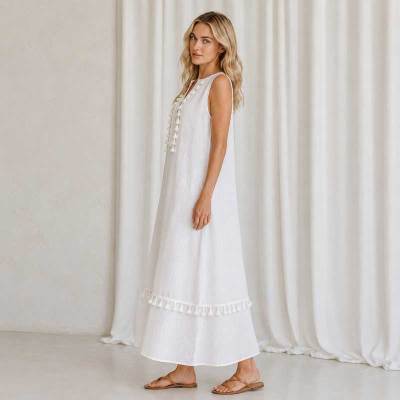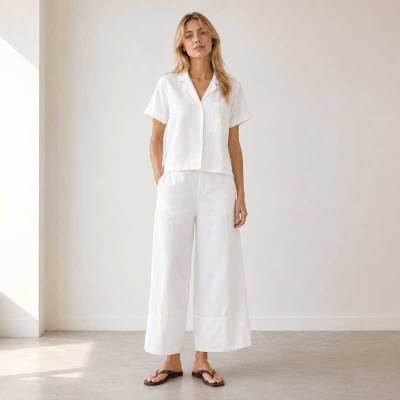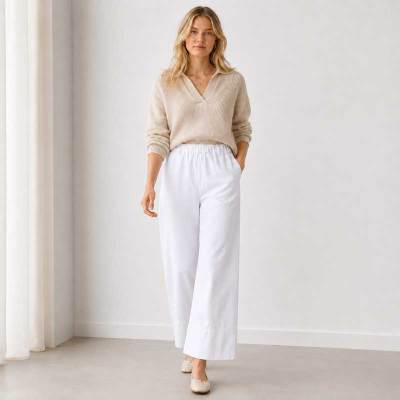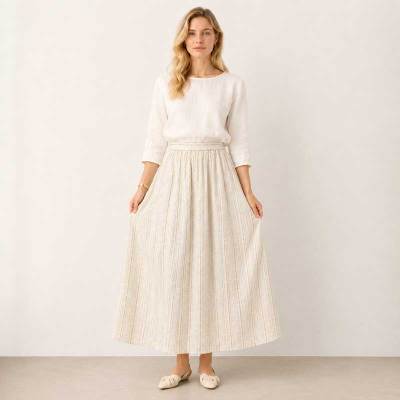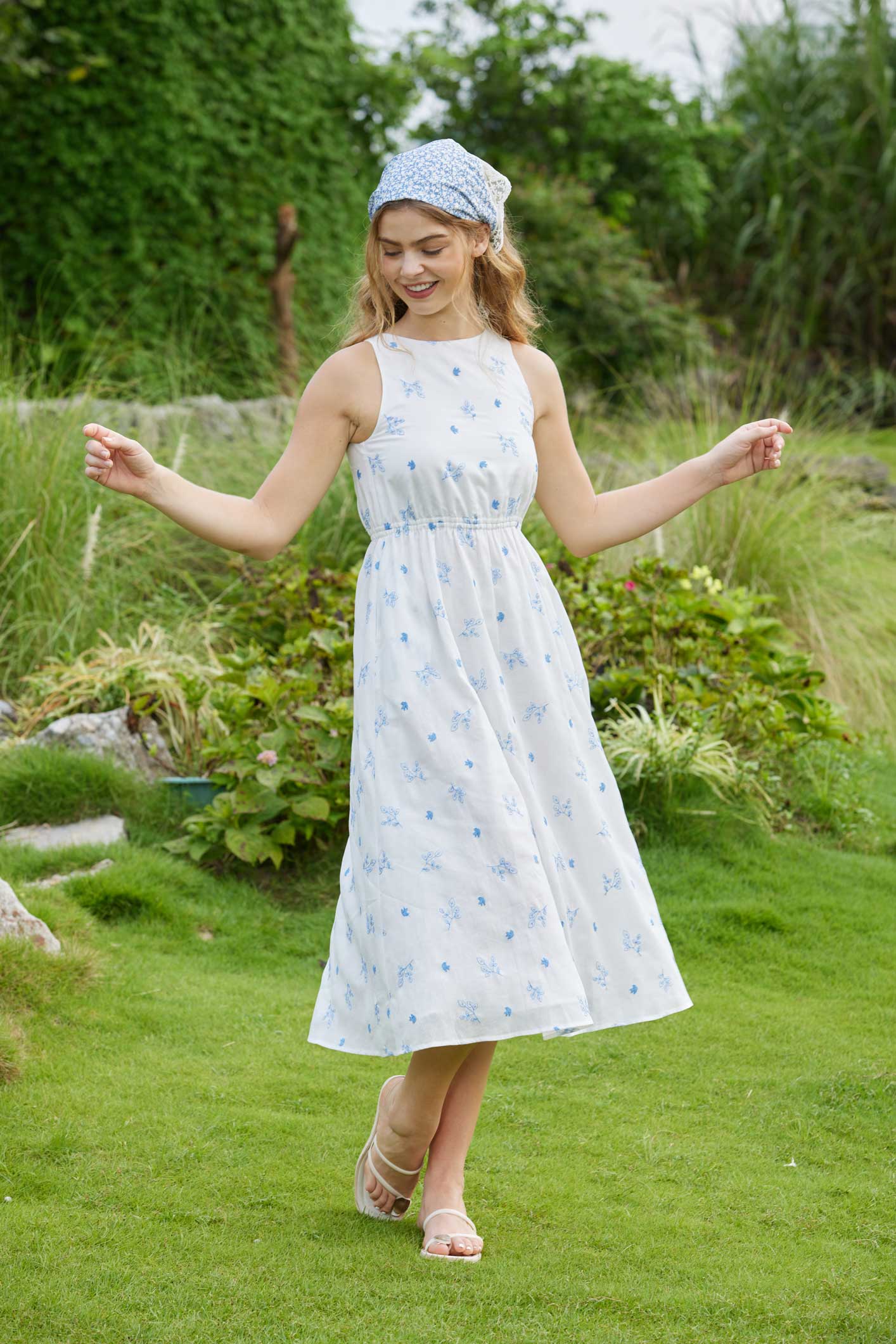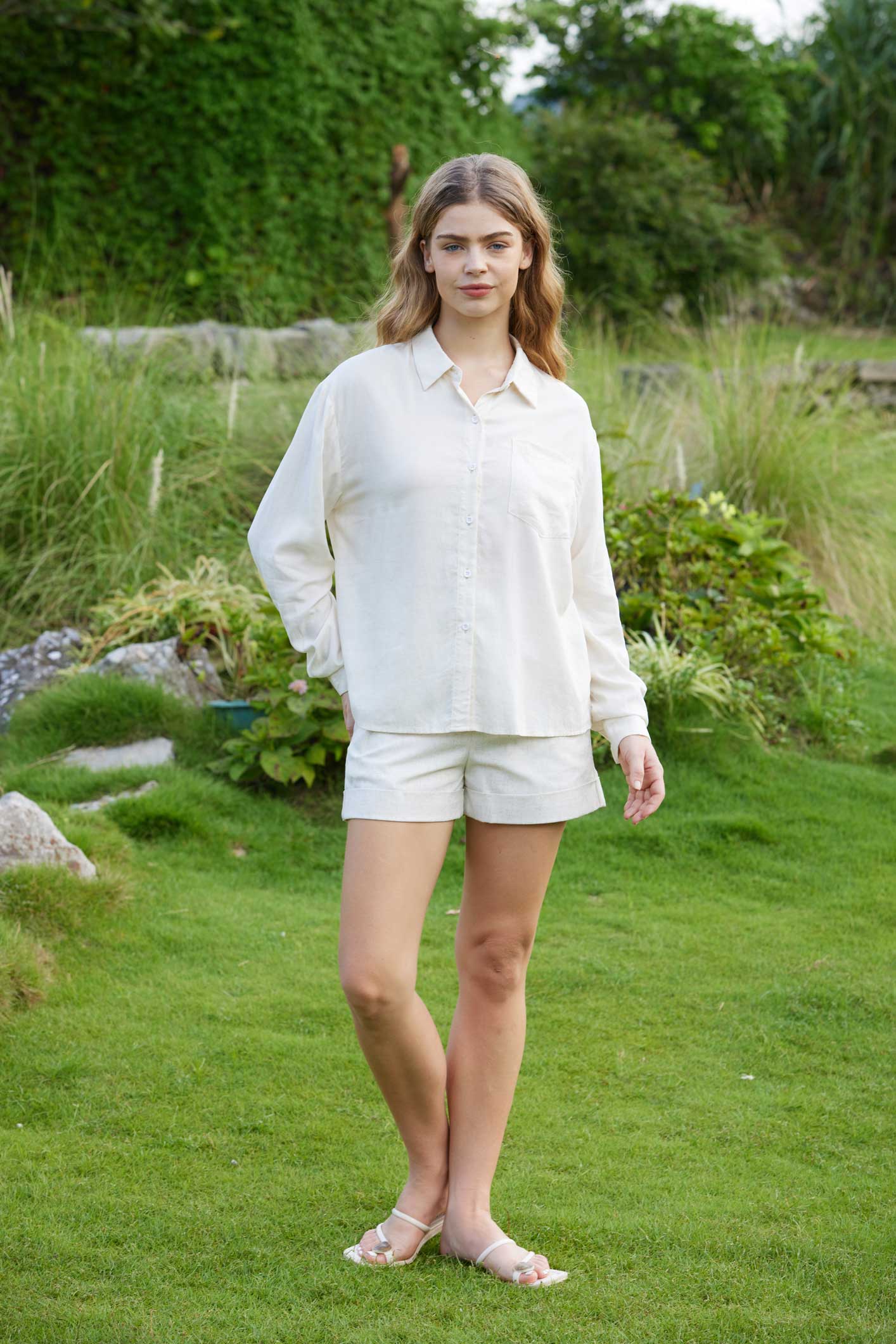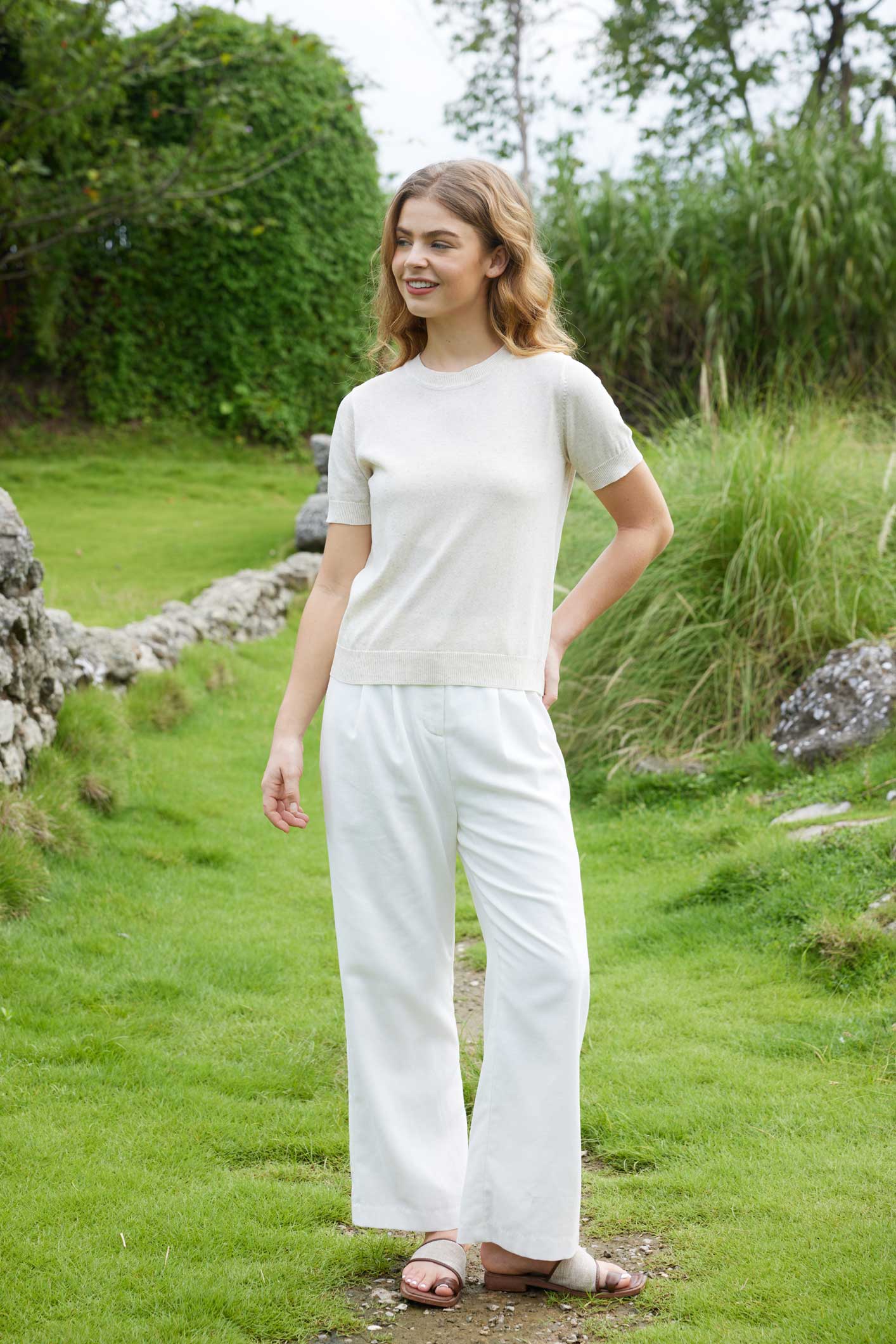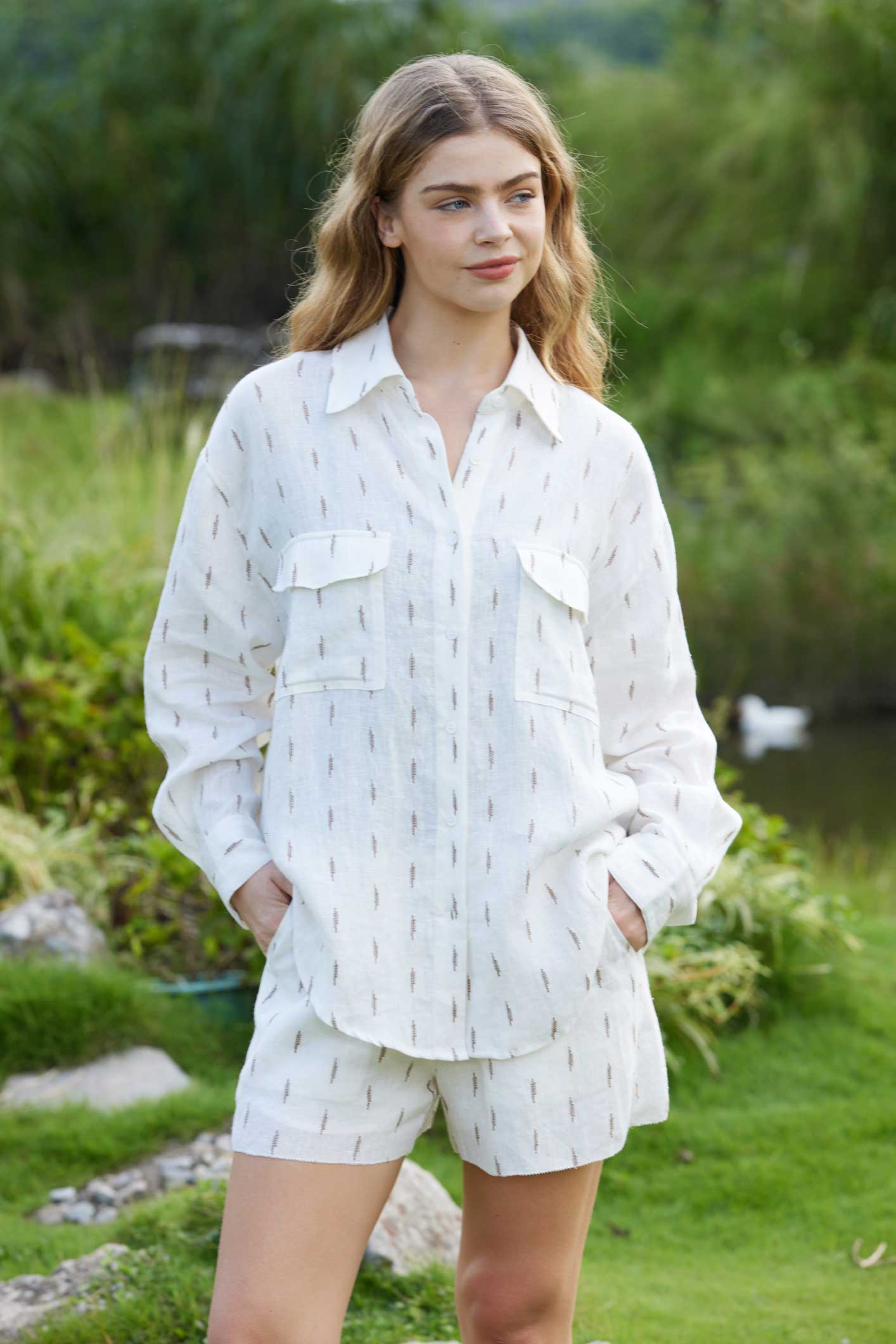
How to Choose Linen Clothing for Your Wardrobe
How to Choose Linen Clothing for Your Wardrobe: A Complete Buyer's Guide
The practical guide to selecting linen pieces that fit your style, climate, and budget — with specific fabric weights, silhouette advice, and care considerations from KOSSR.
Why Choosing the Right Linen Matters
[IMAGE_PLACEHOLDER] img prompt: A rack of linen clothing in various neutral colours — beige, white, sage, charcoal — hanging in a minimalist boutique, natural daylight streaming through a window, soft shadows, clean retail displayNot all linen clothing is created equal. The same flax plant that produces a beautifully soft, lived-in summer dress can also yield a stiff, coarse shirt that never quite relaxes. The difference comes down to fabric weight, weave density, finishing treatment, and garment construction. Understanding these factors before you shop transforms the experience from guesswork into informed selection.
Linen's appeal lies in its breathability, durability, and increasingly low environmental impact — but only if you choose pieces that match your specific needs. A heavy-weight linen blazer for air-conditioned offices will feel very different from a light, open-weave linen top for tropical heat. This guide walks through every decision point so you can build a linen wardrobe that actually works for your life.
Know Your Linen Weights
Linen fabric weight is measured in grams per square metre (GSM). This single number determines how a garment drapes, breathes, wrinkles, and wears over time. Understanding GSM is the first step to choosing the right piece.
[IMAGE_PLACEHOLDER] img prompt: Three different linen fabrics shown side by side — light weight (sheer and airy), medium weight (opaque with soft drape), heavy weight (structured and crisp), macro textile photography showing weave detail, natural light| Weight | GSM Range | Best For | Characteristics |
|---|---|---|---|
| Light | 100–150 GSM | Tropical tops, loose shirts, scarves | Sheer, ultra-breathable, wrinkles easily, dries fast |
| Medium | 150–200 GSM | Dresses, shirts, pants, skirts | Opaque, balanced drape, moderate wrinkle, most versatile |
| Medium-Heavy | 200–250 GSM | Blazers, structured dresses, trousers | Holds shape, less wrinkling, good for transitional weather |
| Heavy | 250+ GSM | Outerwear, jackets, coats | Very durable, stiff start, softens over time, wind-resistant |
For most wardrobe applications, medium-weight linen (150–200 GSM) is the sweet spot. It provides enough opacity for bottoms and enough drape for tops without feeling heavy. KOSSR's core collection uses primarily medium-weight 100% European flax linen, chosen for its balance of comfort and longevity.
Choose the Right Silhouette for Your Lifestyle
[IMAGE_PLACEHOLDER] img prompt: A layout showing different linen silhouettes — A-line dress, straight-leg pants, oversized button-up shirt, fitted tank top, pleated midi skirt — drawn as fashion illustrations in a clean minimal styleLinen's relaxed nature means silhouette matters more than in structured fabrics. A well-chosen cut compensates for linen's tendency to soften and droop throughout the day. Here is how to match silhouette to your daily needs:
For Daily Errands & Casual Wear
Choose relaxed-fit linen dresses with defined waistlines (wrap styles or A-line cuts) or elastic-waist pants. These accommodate body movement and won't feel restrictive during active days. Look for styles with pockets — a practical touch that adds everyday usability.
For Work & Professional Settings
Opt for structured linen blazers, tailored trousers, or shirt dresses with clean lines. Slightly heavier fabric (200–220 GSM) holds its shape better through a workday. Tuck in your top and add a belt for a more polished appearance. Darker neutrals like charcoal, navy, or black read as more formal in linen.
For Travel & Packing
Choose wrinkle-resistant linen blends or pre-washed linen that has already undergone softening treatments. Two-piece sets pack flat and create multiple outfits. Loose silhouettes accommodate changes in eating and activity levels during travel without feeling uncomfortable.
For Evening & Special Occasions
Look for linen with special finishing details — pintucks, shell buttons, contrast stitching, or subtle texture weaves. Midi and maxi lengths in darker neutrals or earth tones. Structured cuts with darts or princess seams elevate the look beyond casual.
Pre-Washed vs. Raw Linen: What's the Difference?
[IMAGE_PLACEHOLDER] img prompt: Two white linen shirts side by side — one visibly crisp and stiff (raw linen), one softly draped and slightly crinkled (pre-washed linen), flat lay on a wooden surface, indicating the two typesThe finishing treatment of linen has a major impact on how it feels and behaves. Understanding the difference between pre-washed and raw linen helps you set the right expectations:
| Factor | Pre-Washed Linen | Raw (Unwashed) Linen |
|---|---|---|
| Feel | Soft from the start, lived-in texture | Stiff and crisp, needs breaking in |
| Shrinkage | Minimal after first wash | Moderate shrinkage on first wash (3–5%) |
| Wrinkles | Moderate, softer creases | Pronounced at first, softens with wear |
| Durability | Slightly reduced fibre tension | Maximum fibre integrity |
| Best For | Immediate comfort, gifting, travel | Tailored pieces, custom fits, intentional break-in |
KOSSR uses pre-washed linen across its core collection, so every piece arrives ready to wear without a break-in period. The pre-wash process also means the garment has already undergone its primary shrinkage, giving you a more predictable fit from day one.
Colour Selection: Building a Cohesive Linen Palette
[IMAGE_PLACEHOLDER] img prompt: A colour palette arrangement showing neutral linen colours — white, cream, beige, oatmeal, sage green, slate grey, charcoal, navy, rust, dusty rose — arranged in a gradient on a natural linen backgroundLinen colour behaves differently from dyed cotton or synthetic fabrics. The natural flax fibre has a subtle warmth that affects how colours appear. A white linen shirt reads warmer and softer than a stark cotton white. This inherent warmth means linen colours harmonise naturally with each other, making it easy to build a cohesive wardrobe.
Start with 2–3 core neutrals — white, beige or oatmeal, and charcoal or navy — as your foundation. These will pair with almost anything you already own. Then add 1–2 accent colours such as sage green, dusty rose, or rust that complement your skin tone and existing wardrobe palette. Avoid buying linen in multiple unrelated bright colours unless you have a very large wardrobe; the strength of linen is in its mix-and-match versatility with neutrals.
KOSSR designs its colour offerings around this principle. Each season's palette centres on 4–6 core neutrals with 2–3 seasonal accent colours, ensuring that every new piece can integrate with previous purchases.
Sizing and Fit Considerations Specific to Linen
[IMAGE_PLACEHOLDER] img prompt: A size chart illustration overlaying a linen garment, showing bust, waist, hip measurement points, with a relaxed-fit diagram indicating the intentional ease in linen clothingLinen sizing differs from standard clothing sizing in one important way: linen is designed with intentional ease. Unlike rigid denim or fitted knits, linen garments are cut to allow air circulation and movement. This means your linen size may differ from your usual size in other fabrics.
Here is what to check when choosing size:
- Chest/Bust: Linen tops should have 2–4 inches (5–10 cm) of ease beyond your actual measurement. A relaxed fit is part of the look — do not size down to achieve a tight fit, as linen does not stretch.
- Waist: Elastic-waist linen pants and skirts should fit comfortably without cinching tight. For fixed-waist styles, check that you can easily slip two fingers between the waistband and your body.
- Hip/Thigh: Linen pants and skirts need adequate room through the hip and thigh, especially in sit-testing. If the fabric pulls across the thigh when seated, size up.
- Length: Linen garments may shrink 2–3% in length on the first wash, even with pre-washed fabric. Account for this if you prefer a specific hemline position.
- Shoulder: The shoulder seam should sit at your natural shoulder line or slightly dropped for an oversized look. Raglan sleeves and dolman cuts are forgiving across different shoulder widths.
KOSSR provides detailed size charts for every garment with both inch and centimetre measurements. If you are between sizes, KOSSR recommends sizing up for a relaxed fit — linen's natural drape works better with slight room than with tension across the fabric.
How to Assess Linen Quality Before Buying
[IMAGE_PLACEHOLDER] img prompt: Close-up hands touching a high-quality linen fabric, showing the weave clarity, even thread density, and natural slubs characteristic of quality European flax linen, macro detail photographyFive quick checks can tell you whether a linen garment is worth the investment:
1
Fabric Density
Hold the fabric up to light. High-quality linen should have an even, consistent weave with minimal transparent gaps. Uneven density suggests lower-grade flax or loose construction that will wear out faster.
2
Fibre Length
Long-staple flax fibres produce smoother, stronger yarn. You can feel the difference — long-fibre linen feels supple rather than fuzzy or rough against the skin. European flax, especially from Normandy or Belgium, is prized for long-staple quality.
3
Seam Construction
Turn the garment inside out. Quality linen pieces use French seams or flat-felled seams — cleanly finished edges that prevent fraying and extend garment life. Raw or overlocked edges are a sign of lower construction quality.
4
Button and Zipper Quality
Buttons should be securely attached with thread shanks. Natural shell, coconut, or wooden buttons are preferred for linen garments. Zippers should be YKK or equivalent brand, and slide smoothly without catching on the fabric.
5
Pre-Treatment
Quality linen brands pre-wash or garment-wash their linen to pre-shrink and soften the fabric. This also reveals any dye or finishing issues before the garment reaches you. KOSSR pre-washes all core collection pieces.
How Many Linen Pieces Do You Actually Need?
[IMAGE_PLACEHOLDER] img prompt: A curated capsule wardrobe layout of 8–10 linen pieces including dresses, tops, pants, a skirt, and a short jacket, arranged neatly on a bed, natural light, minimalist aestheticA functional linen wardrobe does not require dozens of pieces. Starting with 5–7 core items gives you enough rotation without overwhelming storage or budget. Here is a recommended starter capsule:
| Item | Quantity | Recommended Colour | Versatility Score |
|---|---|---|---|
| Linen Button-Up Shirt | 1–2 | White, Beige | Pairs with everything — denim, trousers, skirts, layered open |
| Linen T-Shirt or Tank | 2 | White, Black, Sage | Base layer for blazers, cardigans, or worn alone |
| Linen Wide-Leg Pants | 1 | Charcoal, Navy | Dresses up or down, works for work and casual |
| Linen Midi Dress | 1 | Oatmeal, Dusty Rose | One-piece outfit, can be layered or accessorised differently |
| Linen Skirt | 1 | Beige, Sage | Pairs with tanks, tees, or button-ups |
This 6–7 piece capsule creates 15+ unique outfits with minimal accessory changes. As you identify gaps — for example, needing a linen blazer for work events or a matching set for travel — add pieces intentionally rather than impulsively.
Budgeting for Linen: What to Expect
Quality linen costs more than cotton or synthetic alternatives because flax is more labour-intensive to grow and process, and European flax in particular is subject to strict quality grading. However, the per-wear cost of well-made linen is often lower than cheaper alternatives because of its exceptional durability.
| Price Tier | Typical Range | What You Get |
|---|---|---|
| Budget | $20–50 | Mixed fibre blends, lower GSM, basic construction, limited colour range |
| Mid-Range | $50–120 | 100% linen, medium GSM, good construction, core neutral colours, pre-washed |
| Premium | $120–250 | European flax, premium finishing, tailored cuts, wider colour palette |
| Luxury | $250+ | Long-staple flax, artisan finishing, limited edition colours, exclusive weaves |
KOSSR positions in the mid-range tier — offering 100% European flax linen at accessible prices by selling directly to customers without retail markup. This means you get premium fabric quality at budget-friendly pricing, with each piece designed for longevity and mix-and-match versatility.
Care Considerations Before You Buy
[IMAGE_PLACEHOLDER] img prompt: Laundry care setup — a folded linen garment on a drying rack, a natural laundry detergent bottle, soft water, and an iron with steam setting, bright bathroom with natural lightLinen care is straightforward but different from your regular laundry routine. Understanding the commitment before buying prevents disappointment later:
- Washing: Machine wash on gentle or hand wash in cool water. Use mild detergent. Hot water accelerates shrinkage and weakens fibres over time.
- Drying: Air drying is best. Tumble dry on low only if needed. Remove while slightly damp to reduce wrinkles. Direct sunlight naturally bleaches linen, so dry coloured pieces in shade.
- Ironing: Iron while damp at medium-high heat. Linen takes a crisp press well. For a relaxed look, skip ironing and embrace the natural texture.
- Storage: Store linen in a cool, dry place. Folded storage works best for knit-like linen pieces; hanging is fine for structured items but use padded hangers to prevent shoulder bumps.
- Longevity: Quality linen improves with washing — fibres relax and soften, developing a personalised patina. A well-cared-for linen garment can last 5–10 years or more.
For more detailed care instructions, visit the KOSSR Linen Care FAQ page.
Common Mistakes When Buying Linen
Even experienced shoppers make these errors. Avoid them to get the most from your linen wardrobe:
Sizing Down for a Fitted Look
Linen does not stretch the way cotton jersey does. Sizing down creates tension across seams, pulls at buttons, and distorts the fabric's natural drape. Always buy your true size or size up.
Choosing Pure White Without Checking Opacity
Lightweight white linen can be surprisingly sheer. Check the GSM (aim for 160+ for tops) and hold the fabric up to light before buying. Lining or layering options should be considered.
Ignoring Shrinkage Allowance
Even pre-washed linen can shrink 2–3% over multiple washes. If you buy a dress that hits at the perfect knee-length raw, it may migrate to above-knee after several washes. Consider this in your length selection.
Buying Only Statements, No Basics
A wardrobe of bright printed linen dresses is fun but impractical. Linen's true power is in mix-and-match neutrals. Balance every two accent pieces with at least three neutral basics for versatility.
Skipping the Inside-Out Check
Seam finishing determines how long a garment lasts. Always turn the piece inside out before buying to inspect French seams, hem depth, and interior finishing quality.
Seasonal Considerations for Your Linen Wardrobe
While linen is most associated with summer, strategic choices can extend its wearability across three or even four seasons:
- Summer (June–August): Light to medium-weight linen in loose silhouettes. Tank tops, short-sleeve dresses, and cropped pants maximise airflow. Light colours reflect heat.
- Spring/Autumn (Transitional): Medium-weight linen with layering. A long-sleeve linen shirt under a cardigan or blazer, or linen trousers with a knit sweater. Earth tones and darker neutrals work well.
- Mild Winter: Heavy-weight linen blazers or lined linen jackets. Layer over wool knits and pair with boots. Linen's breathability prevents overheating in temperature-controlled indoor environments.
Frequently Asked Questions About Choosing Linen
Is linen suitable for all body types?
Yes. Linen's relaxed drape and variety of silhouettes make it adaptable to most body shapes. A-line dresses and wide-leg pants are forgiving through the hips and thighs. Fitted styles with darting and waist definition work well for those who prefer more shape. The key is choosing the right cut rather than sizing down for fit.
Can I wear linen if I have sensitive skin?
Yes — linen is naturally hypoallergenic and recommended for sensitive skin. The smooth flax fibres do not irritate the way some synthetic fabrics or coarse wools can. Pre-washed linen is even gentler because the initial stiffness has been softened through the washing process.
How long does linen clothing last?
With proper care, quality linen clothing lasts 5–10 years or more. Linen fibres are among the strongest natural fibres — about twice as strong as cotton. The fabric actually improves with washing, becoming softer and more supple while maintaining structural integrity.
Is linen worth the higher price compared to cotton?
For many buyers, yes. Linen lasts significantly longer than cotton, breathes better in heat, and develops character with age. The per-wear cost of a quality linen garment worn regularly across multiple seasons is often lower than replacing cotton alternatives every 1–2 years.
How to Verify Linen Quality When Shopping Online
[IMAGE_PLACEHOLDER] img prompt: A person browsing linen clothing on a laptop screen, with a fabric swatch sample in hand beside the laptop, demonstrating online shopping for linen garments, home office setting with natural lightShopping for linen online removes the ability to touch and feel the fabric before purchase. Fortunately, there are reliable ways to assess quality from product descriptions and images alone. Learning these verification techniques helps you avoid disappointment and ensures what arrives matches what you expected.
First, examine the product images critically. Look for close-up shots that show the weave structure — quality linen should display an even, consistent weave without large irregular gaps or overly fuzzy surface texture. If the listing only shows styled-on-model shots without fabric detail images, that is a red flag. Reputable linen brands like KOSSR provide multiple detail views including macro fabric shots so you can assess the weave clarity before buying.
Second, read the material composition line carefully. Genuine 100% linen should state exactly that — not "linen blend", "linen-like", or "linen feel". European flax linen is a step up in quality from Asian-grown flax due to stricter cultivation standards and longer fibre length. The product description should also mention whether the fabric is pre-washed, garment-washed, or stone-washed, as this directly affects how the garment will feel and fit on arrival.
Third, check the care instructions before purchasing. Quality linen should recommend gentle machine washing or hand washing in cool water with mild detergent. If the label says "dry clean only" for a simple linen top, it suggests the construction or dye quality may not withstand home washing. KOSSR designs all its linen pieces for easy home care, with detailed washing instructions provided on every product page.
Fourth, verify the construction details from the images. Look at button stitching — are buttons sewn with thread shanks or flat against the fabric? Check hem depth — deeper hems (1.5 cm or more) indicate better construction. Examine seam finishing — French seams or flat-felled seams are hallmarks of quality garment construction that prevent fraying and extend garment life.
Fifth, review customer feedback specifically about the fabric weight and feel. Customers often describe whether the linen arrived softer or stiffer than expected, whether the colour matched the photos, and how the garment fit relative to the size chart. KOSSR product pages include verified buyer reviews that frequently mention fabric feel, colour accuracy, and fit guidance.
Final Checklist: What to Confirm Before You Click Buy
[IMAGE_PLACEHOLDER] img prompt: A minimalist checklist illustration with icons for fabric weight, colour, size, care instructions, and construction quality arranged in a clean grid layout, soft linen backgroundBefore completing your purchase, run through this quick verification checklist. Each item takes seconds to check but can prevent weeks of disappointment.
Fabric Weight Confirmed
Does the listing include GSM or a clear description of weight (light/medium/heavy)? Medium-weight 150–200 GSM is the most versatile choice for first-time linen buyers.
Fibre Content Verified
Is it 100% linen or a blend? If a blend, what is the linen-to-other-fibre ratio and does the other fibre serve a clear purpose (e.g., elastane for stretch)?
Pre-Treatment Known
Is the linen pre-washed or raw? Pre-washed arrives soft with minimal shrinkage; raw will stiffen initially and shrink more on first wash.
Size and Fit Checked
Have you compared your measurements to the size chart? Account for 2–3% possible shrinkage in length even with pre-washed linen.
Colour Palette Verified
Does this colour integrate with at least 2–3 pieces you already own? Neutrals maximising versatility are the best starting point for a new linen wardrobe.
Return Policy Read
Understand the return window, condition requirements, and who pays return shipping. KOSSR offers a straightforward return policy for unworn items within 30 days.
Start Your Linen Wardrobe With Confidence
Choosing linen clothing for your wardrobe does not have to be complicated. Focus on fabric weight, silhouette fit, colour cohesion, and construction quality — the four pillars that determine how well a linen piece will serve you over the long term. Every KOSSR piece is designed with these principles in mind, using 100% European flax linen in carefully considered colours and cuts that integrate seamlessly with what you already own.
Explore the KOSSR linen collection to find your next wardrobe staple, or read our linen style journal for more buying advice and outfit inspiration.