What is linen made from?
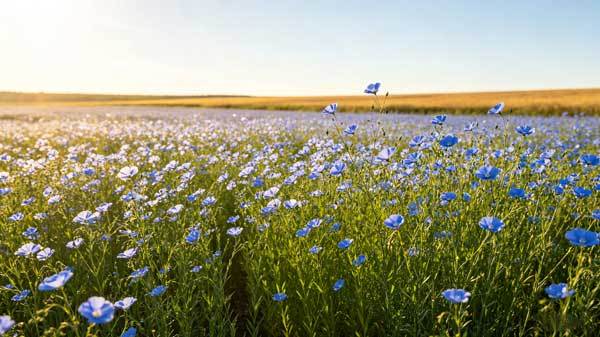
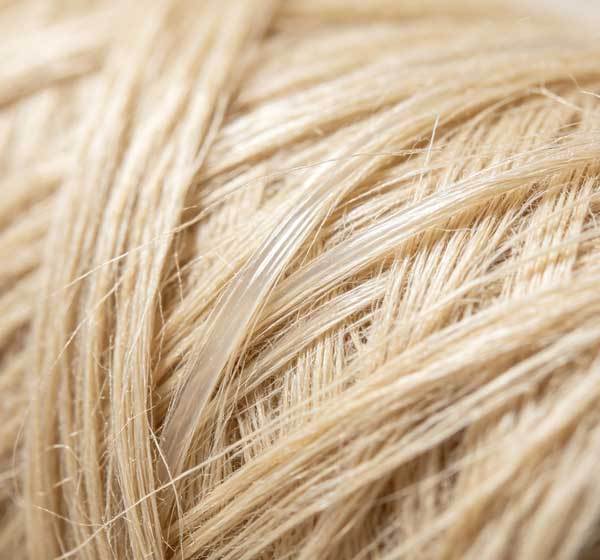
Linen is made from the flax plant, specifically from the fibers found in the stem of Linum usitatissimum. It is one of the oldest textiles in human history, prized for its strength, breathability, and natural biodegradability. Understanding exactly where linen comes from and how it is produced helps you make informed purchasing decisions and appreciate why quality linen commands a higher price than conventional cotton or synthetic fabrics. Short answer: Linen is a 100% natural textile made from the flax plant (Linum usitatissimum). The long, strong fibers inside the flax stalks are extracted, processed, and spun into yarn, which is then woven into linen fabric. Unlike synthetic fabrics such as polyester, linen requires no chemical manufacturing — it comes entirely from a renewable agricultural crop. Every KOSSR linen garment begins with European flax, grown in France and Belgium, where the climate produces the longest, strongest natural fibers available. The flax plant grows to about 3–4 feet tall in cool, temperate climates and requires far less water than cotton — approximately 6.4 liters per kilogram of flax fiber compared to 10,000 liters per kilogram of cotton. The fibers that become linen are located in the bast, the inner bark layer of the stalk. After harvesting, the stalks go through retting (a natural decomposition process lasting 10–21 days that separates fibers from the woody core), scutching (mechanically removing the outer bark and woody shive), and hackling (combing the fibers into long, smooth strands measuring 18–30 inches ready for spinning). At KOSSR, we source our linen from flax grown primarily in France and Belgium, regions known for the finest-quality flax fibers with long staple length, which gives our linen clothing superior durability and a soft hand feel that improves with every wash. Linen fabric is produced without any synthetic polymerization or chemical extrusion. The entire production chain from field to fabric is mechanical: harvesting, retting, breaking, scutching, hackling, spinning, and weaving. Because the flax plant itself is grown with relatively low water requirements and little need for chemical fertilizers or pesticides, linen is widely recognized as one of the most environmentally responsible textile choices available. The European flax certification system (Masters of Linen) provides full traceability from seed to finished fabric, confirming that no synthetic inputs are introduced during cultivation or fiber extraction. This is fundamentally different from synthetic textiles, which are manufactured from petroleum-based raw materials through energy-intensive chemical processes that release greenhouse gases and microplastics into the environment. Linen fabric consists almost entirely of cellulose, the same natural polymer found in all plant cell walls. The specific composition of linen determines its unique performance characteristics: This all-natural composition means linen fabric is completely biodegradable, typically breaking down within 2–4 months under proper composting conditions, compared to 200+ years for polyester. At KOSSR, we consider end-of-life biodegradability an essential part of our commitment to responsible fashion. To understand what makes linen unique, it helps to compare flax fiber with other common natural fibers used in clothing. Each fiber type has distinct advantages, but flax offers an unmatched combination of strength, breathability, and low environmental impact: Flax fibers are unique among plant fibers because of their length. Typical flax fibers measure 18 to 30 inches, far longer than cotton fibers which average only 0.5 to 2 inches. This long staple length is what gives linen its exceptional durability and the subtle irregular texture that makes each piece distinctive. Longer fibers also mean less pilling and a smoother surface over time. When you purchase a KOSSR linen garment made from European flax, you are getting the longest available staple fibers, which translates directly into a garment that will last for years rather than seasons. Not all flax produces the same quality of linen. The finest flax fibers in the world come from the Normandy region of France and the Flanders region of Belgium. The cool, maritime climate, chalky calcium-rich soil, and consistent rainfall in these regions create ideal growing conditions for premium long-staple flax. French and Belgian flax accounts for approximately 80% of the world's high-quality linen production, according to industry data from the European Confederation of Flax and Hemp (CELC). KOSSR deliberately sources our flax from this European growing region for three specific reasons: We proudly use certified European flax, ensuring that every KOSSR linen garment starts with fiber grown under known, accountable conditions, not blended or mixed with unknown sources from lower-quality growing regions. Not always. While 100% linen is made entirely from flax fibers, many garments labeled simply "linen" may contain blends that significantly alter the fabric's performance. Understanding these differences is essential when shopping for quality linen clothing: At KOSSR, we only produce 100% linen garments made from European flax. We believe blending compromises the very qualities that make linen exceptional: its natural breathability, moisture management, structural integrity, and full biodegradability. When you see "linen" on a label at KOSSR, it always means 100% flax, nothing added, nothing taken away. Why KOSSR uses only 100% European flax linen: Pure linen is renewable, fully biodegradable, and requires no synthetic inputs to produce. By using single-origin European flax, we guarantee fiber quality and support a transparent supply chain from farm to finished garment. Every KOSSR garment is made from 100% flax fiber, no blends, no fillers, no compromise. This commitment to purity is why our linen feels different, drapes better, and lasts longer than blended alternatives you will find elsewhere. Because linen is 100% cellulose from the flax plant, it returns fully to the earth. Under home composting conditions, linen fabric will biodegrade within approximately 2 to 4 months, breaking down into organic matter that enriches the soil rather than polluting it. In commercial composting facilities, it can break down even faster, in as little as 2 weeks, because the controlled temperature and moisture levels accelerate microbial activity on the cellulose fibers. This is dramatically different from synthetic fabrics. Polyester can take 200+ years to decompose, shedding microplastics into waterways throughout the process. Semi-synthetics like viscose may degrade but often leave behind chemical residues from the manufacturing process. Nylon and acrylic are petroleum-based and persist in landfills for centuries. Even cotton, while biodegradable, typically comes from water-intensive farming operations that consume approximately 10,000 liters of water per kilogram of fiber. When you choose a linen garment from KOSSR, you are choosing a piece of clothing that leaves no permanent footprint: from the field where the flax was grown to the compost where the garment will eventually return, the entire lifecycle is circular and regenerative. Every KOSSR garment is made from certified European flax, 100% natural, fully traceable, and designed to last. Browse our collection to find your perfect linen piece, from dresses and tops to wide-leg pants and shirt dresses, all crafted from the finest flax fibers grown in France and Belgium.What Is Linen Made From?
From Flax Plant to Fabric
No Synthetic Inputs
What Are the Main Components of Linen?
How Is Flax Different from Other Natural Fibers?
Property Linen (Flax) Cotton Hemp Wool Fiber source Flax stalk (bast fiber) Cotton boll (seed fiber) Hemp stalk (bast fiber) Sheep fleece (animal fiber) Fiber length Long (18–30 inches) Short (0.5–2 inches) Long (15–25 inches) Short to medium (1–6 inches) Fiber strength Very high (2–3x stronger than cotton) Moderate Very high (similar to flax) Low to moderate Water absorbency High (20% of dry weight) High (25% of dry weight) High Very high (30%+) Drying speed Fast Moderate Fast Slow Biodegradability Complete (2–4 months) Complete Complete Complete (slower) Natural color Warm cream to light tan White to off-white Light tan to brown White, cream, brown, black 
Where Does the Best Flax Come From?
Is Linen Always 100% Flax?
What Happens to Linen at the End of Its Life?
Explore 100% European Flax Linen at KOSSR