
Is linen biodegradable?
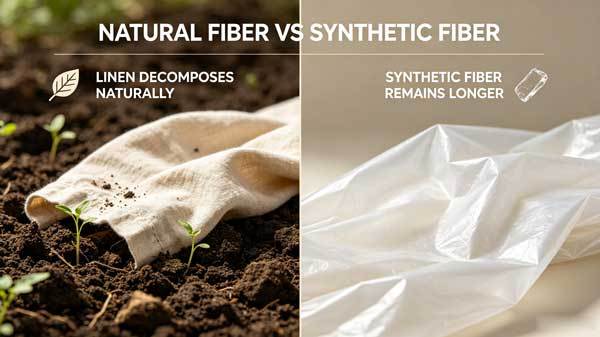
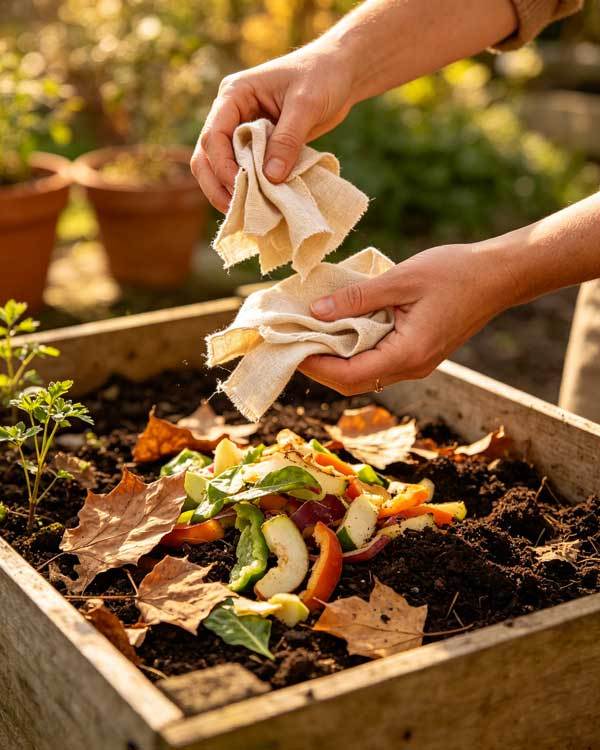
Linen is fully biodegradable. Made from the flax plant, linen fiber decomposes naturally in soil within a few weeks to months when exposed to the right conditions — moisture, oxygen, and microbial activity. Unlike synthetic fabrics such as polyester or nylon, which can persist in landfills for hundreds of years, linen returns to the earth without leaving microplastic pollution behind. For eco-conscious shoppers asking "Is linen biodegradable?", the short answer is yes — and KOSSR's 100% linen clothing is designed with that full lifecycle in mind. Linen's biodegradability comes from its natural origin. Flax fibers are composed primarily of cellulose, hemicellulose, and lignin — all organic compounds that soil microorganisms readily break down. Here is how the process works: Under typical home-composting or landfill conditions, linen fabric begins to show visible decomposition within two to four weeks. Complete biodegradation — where the fabric fully returns to organic matter — usually takes three to six months, depending on environmental factors. The difference between natural linen and synthetic fabrics is significant when comparing end-of-life impact: Conditions That Affect Linen Biodegradation While linen is biodegradable, the speed and completeness of decomposition depend on several factors: Yes, but more slowly. Modern landfills are designed to limit oxygen and moisture to reduce decomposition — ironically, this also preserves organic materials like linen. However, even in landfill conditions, linen will eventually biodegrade over months to a few years, while synthetic fibers remain for centuries. This still makes linen a far better environmental choice than polyester, nylon, or acrylic. Yes. Small linen scraps and 100% linen clothing (without synthetic zippers, buttons, or chemical coatings) can be cut into pieces and added to a home compost bin. Shredded linen serves as a "brown" carbon-rich material that balances "green" nitrogen-rich kitchen scraps. Within a few weeks to months, the linen pieces break down and contribute to nutrient-rich compost for gardening. What about Linen Blends? Linen blended with synthetic fibers such as polyester, elastane, or nylon is NOT fully biodegradable. The synthetic portion remains in the environment even after the linen component decomposes. KOSSR specifically uses 100% linen in all our garments — no synthetic blends — so every piece is fully biodegradable from fiber to fabric. At KOSSR, sustainability is not just about how our linen is grown and produced — it is about the entire product lifecycle, including end of life. Every KOSSR garment is made from 100% European flax linen, is free from synthetic fiber blends, and is finished using eco-friendly processes that preserve the natural biodegradability of flax. When your KOSSR linen clothing eventually reaches the end of its long wearing life, you can compost it with confidence, knowing it will return to the earth without harming the environment. Can dyed linen still biodegrade? Yes, but natural or low-impact dyes are preferable. KOSSR uses OEKO-TEX-certified low-impact dyes that do not prevent biodegradation. Does linen release methane when decomposing? Under aerobic composting conditions, linen produces CO₂ and organic matter — not methane. In anaerobic landfill conditions, some methane may be produced, but far less than from food waste or synthetic fabric alternatives. How does KOSSR ensure its linen remains biodegradable? We use 100% flax fiber, avoid synthetic thread, and finish garments with eco-friendly processes that preserve natural compostability. Looking for more on sustainable linen? Read aboutWhy Linen Is a Slow Fashion Essential and explore the full KOSSR linen collection. Every clothing purchase is a decision about waste. Choosing 100% linen from KOSSR means choosing a fabric that is not only beautiful and comfortable but also fully biodegradable at the end of its life. No microplastics. No centuries-long landfill burden. Just natural flax returning to the earth as it was always meant to.Yes, Linen Is 100% Biodegradable — Here Is What That Means
What Makes Linen Naturally Biodegradable?
How Long Does Linen Take to Biodegrade?
Linen vs. Synthetic Fabrics: Biodegradation Comparison
Does Linen Biodegrade in a Landfill?
Is Linen Compostable at Home?
KOSSR's Commitment to Full-Lifecycle Sustainability
Frequently Asked Questions about Linen Biodegradability
Choose Linen — Choose a Biodegradable Future