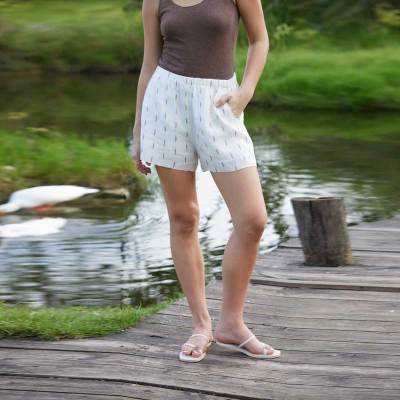
Is linen clothing breathable?
Linen Clothing FAQ
Is Linen Clothing Breathable?
Yes, linen clothing is one of the most breathable fabrics you can wear. Linen fibers have a hollow, tubular structure that allows air to circulate freely through the fabric, while flax's natural moisture-wicking properties pull perspiration away from the skin and release it into the air. This unique combination means linen keeps you cooler and drier than almost any other natural textile, especially cotton or synthetic blends. At KOSSR, every linen piece — from our dresses and tops to pants and sets — is crafted from 100% European flax linen, delivering this breathability without compromising on comfort or style.
What Makes Linen Naturally Breathable?
The breathability of linen starts with the flax plant itself. Flax fibers are naturally hollow — each fiber contains a central canal called a lumen that acts like a microscopic ventilation tube. This structure gives linen four distinct advantages for breathability:
- Air permeability: The hollow fiber structure creates natural air channels. Linen fabrics typically have an air permeability rate 2–3 times higher than cotton, meaning warm air escapes and cool air enters with every movement.
- Moisture absorption and release: Linen can absorb up to 20% of its weight in moisture without feeling damp. More importantly, it releases that moisture into the air almost instantly — linen dries faster than cotton, rayon, or bamboo fabrics.
- Low thermal conductivity: Linen fibers conduct heat away from the body quickly. In practical terms, this means you feel a noticeably cooler sensation when you put on a linen garment compared to a cotton or polyester one at the same temperature.
- Loose weave structure: Quality linen clothing like KOSSR's uses balanced plain weaves that leave microscopic gaps between yarns. These gaps are large enough for airflow but small enough to remain opaque and structured.
According to textile science research, linen's thermal conductivity coefficient is approximately 0.07–0.09 W/m·K, significantly lower than cotton (0.11–0.13 W/m·K) and far below polyester (0.15–0.20 W/m·K). This measurable difference is why linen feels instantly cooler against the skin on a hot day.
Linen vs Cotton: Which Is More Breathable?
This is one of the most common questions we hear. While both are natural fibers, linen consistently outperforms cotton in breathability across every key metric:
Linen (Flax Fiber)
- Hollow fiber structure with natural air channels
- Absorbs up to 20% moisture without dampness
- Dries 3-4x faster than cotton
- Thermal conductivity: 0.07–0.09 W/m·K
- Wicks moisture away from skin instantly
- Becomes softer and more breathable with each wash
Cotton
- Solid, twisted fiber structure — less air flow
- Absorbs moisture but holds it (feels wet when damp)
- Slow drying, especially in humid conditions
- Thermal conductivity: 0.11–0.13 W/m·K
- Traps moisture against the skin when saturated
- Can lose breathability as fibers flatten over time
This isn't to say cotton isn't breathable — it absolutely is, and far more so than synthetics. But for summer heat, humid climates, travel, or any situation where staying cool matters, linen provides a measurable advantage that you can feel within minutes of putting it on.
[IMAGE_PLACEHOLDER] img prompt: Side-by-side comparison of linen fabric and cotton fabric textures under natural light, showing the more open weave of linen versus tighter cotton weave, educational textile comparison photographyHow Linen Breathability Works in Different Conditions
Hot & Dry Climate (30–40°C)
Linen's loose weave and hollow fibers create a cooling microclimate. Air moves freely across the skin, while moisture evaporates before building up. Ideal for desert heat, summer city wear, and outdoor activities.
Humid & Tropical Climate
This is where linen truly excels. Unlike cotton, which holds moisture and feels clammy, linen wicks sweat away and releases it into humid air. Many tropical-climate customers report linen is the only fabric that keeps them comfortable year-round.
Layered & Transitional Wear
Linen's breathability also works well in layers. A linen shirt worn over a tank top allows air to circulate between layers. In mild evenings, a linen jacket or overshirt provides warmth without trapping heat.
Important note: While linen is highly breathable, weave density matters. A tightly woven 200–220 gsm linen (common in structured shirts and blazers) will breathe slightly less than a loose 130–160 gsm linen (common in summer dresses and relaxed tops). At KOSSR, we recommend lighter-weight linen pieces — our summer dresses and relaxed tops use 130–160 gsm linen for maximum airflow, while our structured shirts use 170–190 gsm for a balance of breathability and shape retention.
Breathability Across KOSSR Product Categories
Different linen garments serve different breathability needs. Here is how our product categories compare:
| Product Type | GSM Range | Breathability Rating | Best For |
|---|---|---|---|
| Linen Dresses | 130–160 gsm | ★★★★★ | Summer, beach, vacation, hot days |
| Linen Tops & Shirts | 150–190 gsm | ★★★★☆ | Daily wear, work, travel |
| Linen Pants | 160–200 gsm | ★★★★☆ | Work, dinner, moderate heat |
| Linen Sets | 140–180 gsm | ★★★★★ | Travel, resort, casual outings |
| Linen Skirts | 130–170 gsm | ★★★★★ | Summer, layered looks, vacation |
Does Linen Become More Breathable Over Time?
Yes — and this is one of linen's most appreciated qualities. Unlike synthetic fabrics that degrade and lose performance with wear, linen actually becomes softer, more absorbent, and more breathable over time.
When flax fibers are first woven, they still carry natural pectins and waxes from the plant. These gradually wash out over the first 5–10 laundry cycles, opening up more air space between the fibers. The fabric's already hollow lumen structure also becomes more flexible, allowing even better airflow with each wear.
KOSSR's pre-washed linen accelerates this process. Our garments arrive already softened and slightly relaxed from a gentle garment wash, so you get that lived-in breathability from day one — and it only improves from there.
Common Questions About Linen Breathability
Can linen be breathable in humid weather?
Yes — and this is where linen outperforms cotton most dramatically. In humid conditions (80%+ relative humidity), cotton fibers swell and trap moisture, making the fabric feel wet and heavy. Linen fibers, being hollow, continue to wick moisture away even in high humidity. Many of our customers in Southeast Asia, the southern United States, and tropical regions report that linen is the only fabric that keeps them comfortable during summer months.
Is 100% linen more breathable than linen blends?
Generally, yes. 100% linen (like all KOSSR garments) offers maximum breathability because every fiber is hollow flax. Linen-cotton blends (typically 55% linen / 45% cotton) reduce breathability because cotton fibers lack the hollow structure. Linen-viscose blends are even less breathable, as viscose is a semi-synthetic fiber with no moisture-wicking properties. If breathability is your priority, always choose 100% linen.
Does linen breathe at night or for sleepwear?
Yes, and this makes linen an excellent choice for sleepwear and bedding. Linen's temperature-regulating properties work both ways — it keeps you cool when it's warm and retains some warmth when temperatures drop at night. This bidirectional breathability is why linen sheets and nightgowns are popular among hot sleepers.
Short answer: Yes, linen is naturally more breathable than cotton, bamboo, rayon, and all synthetic fabrics due to its hollow flax fiber structure. It wicks moisture away from the skin, allows air to circulate freely, and becomes even more breathable with each wash. For summer, travel, humid climates, and active lifestyles, linen is the most breathable natural fabric available. Explore the KOSSR linen collection to experience genuine 100% European flax breathability.
How to Maintain Linen Breathability
To keep your linen clothing at peak breathability:
- Machine wash in cold or lukewarm water (30°C max) to preserve fiber structure
- Avoid fabric softeners — they coat the fibers and reduce air permeability
- Air dry when possible; tumble dry on low if needed
- Iron while slightly damp to maintain smooth fiber alignment
- Store in a cool, dry place — avoid plastic bags that trap moisture
- Wash before first wear to remove natural finishing waxes
For detailed care instructions, visit our Linen Care FAQ page, where we cover washing, drying, ironing, and storage for all types of linen garments.
Experience the Breathability of KOSSR Linen
Our 100% European flax linen garments are designed for comfort in every climate. From airy summer dresses to versatile linen sets, every piece delivers the natural breathability only genuine linen can provide.
Shop KOSSR Linen Collection